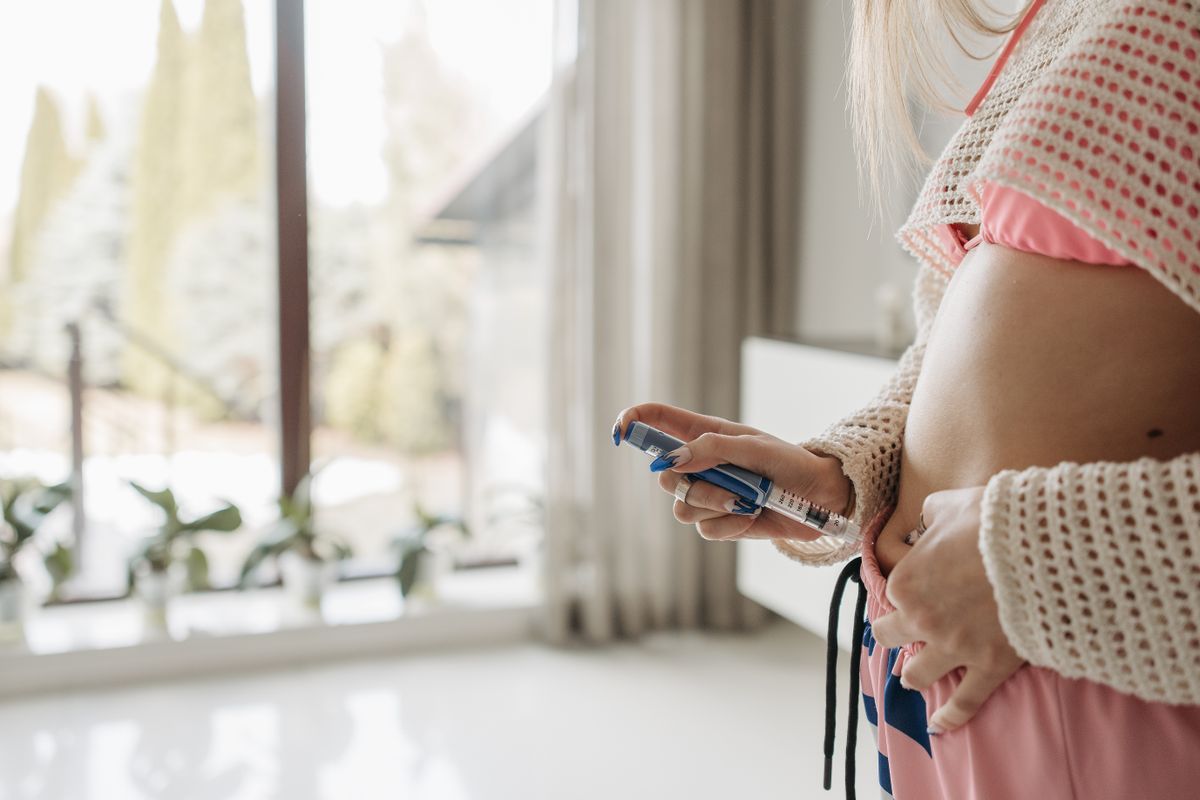
The last two years were kind to weight loss clinics. Semaglutide and tirzepatide turned "I want to lose weight" into a prescription patients would drive across town for, and a lot of practices added a GLP-1 program almost overnight. New patients poured in. The phones rang. It felt like the easiest growth anyone had ever seen.
Then month four hit. The same patient who was thrilled in January stops answering reminder texts. Their refill never gets picked up. You find out later they switched to a $199 telehealth brand, or they just quit. The clinic did the hard part, got them started and losing weight, and someone else, or nobody, got the long tail of that patient's journey. That is the hidden crisis under the GLP-1 gold rush: it is incredibly easy to acquire these patients and shockingly easy to lose them.
The number that should scare every weight loss clinic
Start with the retention math, because it is worse than most owners think. In a large real world analysis reported by TCTMD, discontinuation of semaglutide for weight loss climbed from 18 percent at three months to 52 percent at twelve months. Other studies put one year discontinuation anywhere from a third to two thirds, depending on the group. Read that again: by the one year mark, roughly half your GLP-1 patients are gone.
Now stack the outcome data on top. The STEP 1 trial extension, published in Diabetes, Obesity and Metabolism in 2022, followed patients after they stopped semaglutide and found they regained about two thirds of the weight they had lost within a year. So the patient who leaves your program is not just a lost refill. They are, in many cases, headed back toward where they started, which is a bad result for them and a bad advertisement for you.
This is the part the boom hid. When new patients are flooding in, a leaky bucket still looks full. But the flood is slowing as the market matures, and clinics that only know how to pour water in are about to feel every hole in the bucket.
Why they actually leave
Patients do not churn because they woke up wanting to fail. A 2026 Cleveland Clinic real world study and the wider research point to a few clear drivers, and every one of them is something a good clinic can get ahead of.
- Cost and insurance. This is the big one. Coverage changes, a plan drops the drug, or the cash price stings. When the value feels fuzzy, the price feels huge.
- Side effects. Nausea, fatigue, and GI issues send people looking for the exit, especially if nobody warned them or picked up the phone when it got rough.
- The plateau. Weight loss slows, the patient decides the drug "stopped working," and they lose the motivation that a number on the scale was providing.
- The cheaper option down the block. A telehealth brand advertises a lower price and a mailbox refill. If your only edge was the prescription, you just lost your edge.
Notice what these have in common. None of them are really about the medicine. They are about support, expectation, and relationship. A patient who understands the plateau, knows how to handle nausea, sees the value they are paying for, and feels like a human on your team is remembered does not casually walk away. A patient who got a prescription and a "see you in a month" walks the second something gets hard or cheaper.
Acquisition is a transaction. Retention is a relationship.
The clinics struggling right now built a machine that is great at the first visit and blank after it. The winners treat the prescription as the start of a year long program: coaching, side effect support, body composition tracking, and a real plan for maintenance. Same drug, completely different business.
The telehealth brands are not your real problem
It is tempting to blame the $199 online sellers, and yes, they compete on price and convenience in a way a local clinic never will. But price is only deadly when nothing else is holding the patient. Telehealth brands cannot do an in person check in, read a patient's body composition, adjust a dose while looking them in the eye, or answer a panicked call about a side effect at night. They mail a pen. That is it.
So the answer is not to race them to the bottom on price. It is to be loudly, obviously better at the things they cannot do, and to make sure patients feel those things every month, not just at intake. We wrote a fuller playbook on this in how to compete with online telehealth brands, but the short version is: sell the care, not the compound. When a clinic markets and delivers like a medical team instead of a vending machine, the price gap stops mattering to the patients who want real results.
What actually keeps GLP-1 patients
Retention is not one heroic move. It is a series of small, reliable touches that add up to a patient who never had a reason to leave. Here is what works.
Set the expectations before they need them. On day one, tell patients about the nausea, the plateau around month three, and the maintenance phase. A patient who was warned about a bump does not panic and quit when they hit it. A patient who was surprised does.
Stay in contact between visits. The patient is home, injecting alone, wondering if a symptom is normal. A weekly check in text, a quick "how are you feeling" call, and simple education content keep them tethered to your team. This is where your social media and content earn their keep, not as vanity posts but as the steady, reassuring voice a patient sees between appointments.
Answer the phone when it gets scary. The 9pm side effect call is a retention moment disguised as a nuisance. Miss it and the patient calls the telehealth line or Dr. Google. Our AI receptionist answers every call day and night, handles common questions, and routes the urgent ones to a human, so no worried patient is left alone with a full voicemail box.
Make the next appointment automatic. Never let a patient leave without the next visit booked, and make rebooking a refill or a check in effortless from their phone. Friction at rebooking is a silent cause of churn. A clean website with easy online booking removes the excuse to drift.
Bring lapsed patients back. Someone who stopped at month four is not gone forever. A thoughtful reactivation message, especially around a new year or a plateau breaking protocol, wins a lot of them back. We covered the how in how to reactivate past patients and leads.
Build a maintenance offer, not just a weight loss offer. Given the regain data, the patient who reaches their goal is your best long term patient, if you have somewhere for them to go. A lower dose maintenance plan, or a membership that bundles visits and support, turns a one time weight loss sprint into a multi year relationship. If you have never modeled that, start with whether a membership plan fits your practice.
The math that makes this urgent
Here is why retention beats another ad campaign every time. To replace a churned patient, you pay again: for the ad, the click, the lead, the consult, the staff time. To keep an existing one, you send a text and answer a call. In a program where a retained patient can stay on treatment and maintenance for a year or more, every extra month is close to pure margin. If you are not sure what that patient is worth over their full lifetime, that is the first number to figure out, and we walk through it in what a patient is worth to your practice.
Run the quick version on yourself. Pull your GLP-1 patients from six months ago. How many are still active today? If it is far under half, more acquisition spend is just pouring faster water into the same leaky bucket. Fixing the bucket is cheaper, and it compounds.
How EtherealMinds looks at a weight loss clinic
We do not treat GLP-1 marketing as a lead firehose. We treat it as a full patient acquisition and retention system: the ads and website that bring the right patients in, and the follow up, education, and booking that keep them for the long haul. Because in this category, the clinics that win in 2027 will not be the ones with the most leads. They will be the ones who still have their January patients in December.
That means the boring, unglamorous machinery matters most: reminders that go out, calls that get answered, content that reassures, rebooking that takes one tap, and a maintenance path for the patient who hit their goal. Get those right and your reviews improve, your referrals climb, and your ad budget finally stops feeling like a treadmill. It is the difference between renting patients and building a practice.
So, why do weight loss clinics lose GLP-1 patients? Because the medication has a built in drop off point and most clinics never planned for it. The market handed everyone easy acquisition and hid the hole in the bucket. The clinics that patch it now, before the flood slows, are the ones that will still be growing when the boom cools.
Stop losing the patients you already paid to get
Book a free strategy call. We will look at your GLP-1 program the way a patient experiences it, from the first ad to the month four moment they think about quitting, and show you exactly where they slip away and how to keep them. Clear numbers, no jargon, no pressure.
Book a free strategy call →