Short answer: You will soon be able to buy ads inside ChatGPT, and for private pay clinics that moment is already here in a few markets. But a paid placement sits on top of whether the AI already trusts you. If ChatGPT does not know your practice, an ad rents you a seat for as long as you pay. Earning organic AI visibility, so the assistant names you on its own, is cheaper, lasts longer, and is the thing you actually control. Do that first.
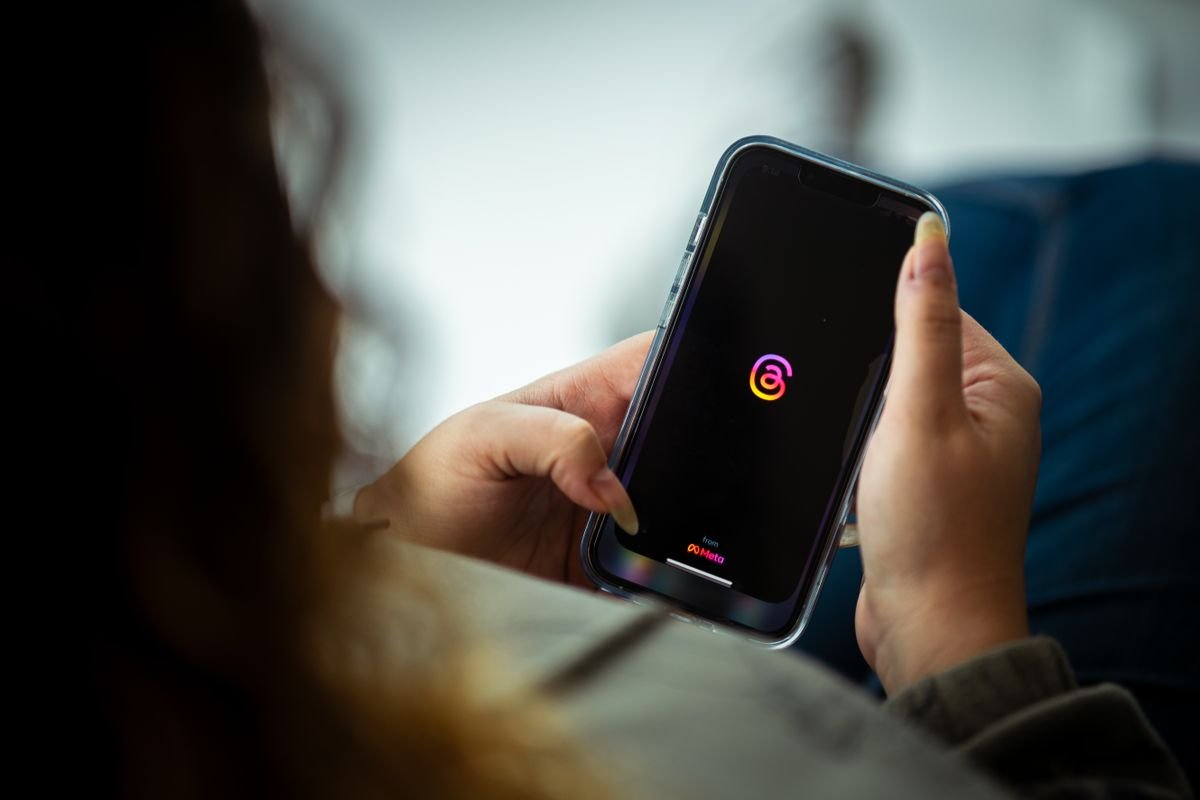
On November 17, 2026, a clinic software company called BoomerangFX announced it had launched paid AI search advertising on ChatGPT for aesthetic, wellness and private pay healthcare practices, rolling out first in the United States, Canada and the United Kingdom. The pitch, reported through PR Newswire, pairs ads on OpenAI's ChatGPT with search optimization for Claude and Gemini, all wired into an AI assistant that chases the lead and books the treatment. One of its founders put it this way: "The next era of clinic growth will be shaped by how effectively practices turn AI discovery into lasting patient relationships."
He is not wrong about the shift. He is selling one answer to it. This article is about the other answer, the one that does not require renting a spot inside somebody else's chatbot.
Why this is suddenly a real question
For years, advertising inside an AI chat was theoretical. It is not anymore. The behavior change underneath it is the part every practice owner needs to sit with, because the numbers moved fast.
In aesthetics and cash pay care the number is higher. The Medical Aesthetics AI Visibility Index 2026, published by 5WPR and Haute MD after analyzing more than 60 patient questions across ChatGPT, Claude, Perplexity and Google AI Overviews, summed up the change in one line: patients no longer start with Instagram, they start with AI. Separately, the rater8 2026 Patient Choice Report found 64 percent of patients aged 45 to 60 have already used AI tools to research a provider. That is the exact age band that fills a med spa, a hormone clinic or a cosmetic surgery practice.
So the demand is real. The patient is standing in front of the AI asking who to trust for Botox, for TRT, for a mommy makeover. The only question is whether the AI says your name. And here the report delivered the gut punch: the top 15 brands captured roughly 62 percent of all AI citations in aesthetics, and a related 5W index found AbbVie and Galderma alone control about 80 percent of the category's AI citations. The giants are getting named. Almost everyone else is invisible.
What a paid ChatGPT ad really buys you
Here is the honest mechanics, because the marketing language hides it. A paid AI search ad can put your clinic in front of someone mid conversation with ChatGPT. That is genuinely valuable attention. But three things are true at the same time, and the sales deck tends to skip past them.
One, access is not open to everyone. The same launch that announced ChatGPT ads also admitted, in its own fine print, that ad activation depends on market availability, practice specialty and advertiser approval. Translation: you may not be allowed to run the ad at all, depending on where you are and what you do. Health advertising on AI platforms is being gated carefully, the same way Google and Meta gate medical and aesthetic ads today.
Two, the ad does not create trust, it borrows it. When ChatGPT recommends a practice organically, it is pulling from your website, your reviews, your citations across the web and the content that explains what you do. A paid slot skips that line, but the patient still clicks through to whatever you have built. If your site is slow, your reviews are thin and nothing online explains why you are the right choice, the ad just pays to show a weak hand faster.
Three, it stops the moment you stop paying. Organic AI visibility compounds. An ad does not. The day the budget pauses, you vanish from the conversation, while the practice that earned its citations is still being recommended for free.
The rented spot versus the owned house
Think of it like real estate. A paid ChatGPT placement is a rented billboard on a road you do not own, and the landlord can raise the rent, change the rules, or take the road away. Earning organic AI visibility is building on land you hold: your website, your reviews, your reputation, your content. Both can bring patients. Only one still stands when the platform changes its mind. We have watched Google do exactly that to practices that built everything on one channel.
The smarter move that beats the ad
The practices getting named by AI right now are not the ones with the biggest ad budgets. They are the ones that are easy for an AI to understand and trust. That work has a name, generative engine optimization, and it is really just good healthcare SEO pointed at how AI reads the web. We broke down the full playbook in our guide to SEO and AI search for healthcare in 2026, and the short version is this.
- A fast, clear website that answers real questions. AI assistants cite pages that explain a treatment, a price range, a recovery timeline in plain language. A pretty site with no substance gets skipped. This is the backbone of a med spa website built to convert and rank.
- Reviews and reputation. AI leans heavily on what other sources say about you. A steady stream of recent, detailed Google reviews is one of the strongest signals that you are a safe recommendation.
- Consistent listings and citations. Your name, address, specialty and hours need to match everywhere. Contradictions make an AI uncertain, and uncertain means uncited.
- Content that gets quoted. The practices winning citations publish honest, specific answers to the questions patients actually ask the AI. That is the same reason we write these articles, and it is covered in our guide to how to get your practice recommended by ChatGPT.
None of that requires permission from OpenAI, an advertiser approval, or a market rollout. You can start today, and it keeps paying after you stop touching it. For a fuller picture of who is already searching this way and what they expect, our breakdown of which patients use AI to find a doctor is a good next read.
The part the all in one platforms do not mention
The launch that triggered this article does not just sell ChatGPT ads. It sells a single platform that runs your ads, your website, your lead follow up and your payments together, driven by its own AI assistant. On a busy Tuesday that sounds like a relief. One login, everything handled.
But look at what you are handing over. Your visibility, your patient data, your follow up and your money now flow through one vendor's rules. If that platform changes its pricing, loses its ad access, or tweaks how its assistant prioritizes clinics, your patient flow moves with it and you have no say. We have seen practices get comfortable inside a single system and then discover they do not actually own the thing bringing them patients. That is a fragile place to build a business.
We take the opposite view. Automation and AI should serve a practice that owns its own assets. When a patient does reach out, after a search or an ad or a referral, the follow up matters enormously, and we built our AI receptionist to answer and book that patient on channels you control, not a platform that rents you access to your own leads.
Where EtherealMinds fits
We work only with US healthcare, and we do not sell you a locked box. We build the pieces that make AI assistants, and real people, choose your practice: a fast website built to convert, social media that shows your real work, local and AI search visibility through SEO built for aesthetic and wellness clinics, and a complete patient acquisition system that ties it together so nothing leaks between the question a patient asks ChatGPT and the booked appointment.
When paid ChatGPT ads become fully available in your market, and they will, you will be glad you already earned the trust underneath them. The clinics that win the AI era are the ones the AI already respects. The ad is the cherry, not the cake.
Our honest take
Paid AI search advertising is real, it is coming to every market, and it will matter. But it is not a shortcut around the work. An ad on ChatGPT shows your name to a patient. Your website, your reviews and your reputation decide whether that patient believes it. Spend the first dollar on the things you own, earn the citation that costs nothing to keep, and treat the paid placement as an amplifier once you have something worth amplifying. Patients are already asking AI who to trust. Make sure the honest answer is you, with or without the ad.
Want ChatGPT to name your practice?
Book a free strategy call. We will check how AI assistants and Google currently see your clinic, where you are invisible, and what it takes to get recommended in your city. Healthcare only, no jargon, no pressure.
Book a free strategy call →