Should Your Medical Practice Be on Threads?
Threads just passed 500 million users and overtook X in daily mobile use, so every few weeks a nervous owner asks us if they are falling behind by not being on it. Here is the honest answer, and the one number that matters more than how big a platform gets: local intent. Someone typing "dermatologist near me" into Google is ready to book today. Someone scrolling Threads on the couch is not, and Threads has no map, no "near me," no local search at all, so even a big following there rarely turns into nearby patients. Inside: the real 2026 numbers, who is actually on Threads (young, male, affluent) and which practices that fits, the three cases where it genuinely earns a spot, the five minute rule to test it without it becoming a chore, and why chasing every new app is the trap that quietly hurts practices most. Cited data, honest opinion.
Read the article →
Should You Market the Doctor or the Practice?
A two doctor practice called us last spring with a good problem hiding a scary one. One partner was a natural on camera, patients adored her, her reviews glowed, her name got passed around at school pickup. The other was just as skilled and quieter. Their marketing, without anyone deciding it, had become the show of one doctor. Then she mentioned cutting back to three days a week, and you could hear the floor drop out. If she was the practice, what happened to everyone else when she stepped back? This is the question under the question owners keep asking us: do you put your star provider front and center, or build a brand that stands on its own? Inside: why the doctor wins the first look, backed by a rater8 survey of 1,008 US adults where 84 percent read reviews before choosing a provider and 61 percent now trust those reviews over a friend's referral, and those reviews name a person, not a clinic; why Edelman's research shows health trust has gone personal and decentralized; the key person risk that quietly turns one beloved provider into a house of cards the day they retire, go part time, or leave; why a pure brand play converts cold and a pure personal play is fragile; the five move playbook to lead with faces while banking every bit of trust in a brand you actually own; what we tell solo doctors; and our honest take on the practices that get burned by letting this happen on accident. Real sources, cited.
Read the article →
Should My Medical Practice Reply to Comments and DMs on Social Media?
A med spa owner told us she did not really "do" the messages on her Instagram. Too busy, half of them spam anyway. So we opened her inbox together and found four real people underneath the junk: one asking if she treated melasma, one asking about pricing, one wanting an opening that week, one who had messaged twice and never heard back. Four potential patients sitting unanswered for weeks, while she paid for ads to find new ones. That inbox was a leak she never knew existed. A comment or a DM is not noise, it is a warm patient raising their hand, and silence is the one answer that sends them to the next practice. Inside: how fast you really need to reply (in Emplifi's 2025 report, two thirds of people expect an answer within a day and only 2 percent will wait more than two), the simple HIPAA line that keeps public replies safe, a plug and play reply formula, and why your inbox is really a second front desk that should route straight to your booking calendar.
Read the article →
Do Hashtags Work for Medical Practices?
A dermatology office pasted the same 30 hashtags on every post for three years. The result: 1,100 followers, mostly other skincare accounts, and zero patients who found them that way. So do hashtags even work anymore? Not the way you were told. In 2024 Adam Mosseri, the head of Instagram, said flat out that adding hashtags does not increase reach, and Instagram then retired the ability to follow a hashtag at all. The tag went from a discovery engine to a filing label. Inside: what actually replaced hashtags (the platforms now read your captions, audio and on screen text to decide who sees a post), why three to five local tags beat a wall of 30, why tagging your location matters more than any hashtag, and where a practice should really spend its social time to turn views into booked appointments.
Read the article →
What Is a Good Social Media Engagement Rate for a Medical Practice?
Your post got 12 likes and you felt like a failure. But what is the number actually supposed to be? A dermatologist messaged us worried her account was broken, a good before and after pulled 14 likes on 2,200 followers. She was sitting at about 0.7 percent, which is completely normal. The number in most owners' heads is a fantasy. Real medians, per RivalIQ benchmark data, run near 0.5 percent per post on Instagram, a fraction of that on Facebook, and higher on TikTok. Inside: the real healthcare benchmarks by platform, the two ways to calculate engagement rate and why you must pick one, why yours feels low even when it is healthy, and the part nobody says out loud, that engagement rate measures applause, not patients. A practice can have a beautiful 2 percent rate and an empty schedule if the audience lives three states away. Plus the numbers that actually matter, local reach, saves, profile visits, messages, and booked appointments, and how to lift real engagement in a way that fills chairs. Our honest take: watch the number if you like, just never let it decide whether your marketing is working. The schedule tells you that.
Read the article →
Does Pinterest Work for Medical Practices?
A med spa owner emailed us, half apologizing: "My daughter says I should be on Pinterest. Is that a real thing for a business like mine, or is it just crafts and recipes?" For her business, it was probably her single most overlooked opportunity. For a busy urgent care, it would have been a wasted afternoon. Pinterest is one of the few channels where the honest answer really depends on what you do, because it is not a social feed at all. It is a search engine. People go there to plan a glow up, a new smile, a weight loss journey, a baby, and they save ideas for the moment they are ready to book. That means two things: the audience is already in planning mode, and pins do not vanish like an Instagram post. One good pin can keep sending clicks to your website for months or years. Beauty, skincare, health and wellness sit among Pinterest's most searched topics, on a platform most practices think is for recipes. Inside: exactly who it fits (med spa, dermatology, cosmetic surgery, cosmetic dentistry, wellness, fertility) and who should skip it, the HIPAA line you never cross, and a five step plan that points every pin at a page that actually books. Our honest take: for the right practice it is one of the most underused traffic sources in healthcare, but only after your Google, reviews and website are solid. Pinterest is the tenth thing you do well, never the first.
Read the article →
Do Instagram Reels Work for Medical Practices?
A dermatologist showed us a Reel with 90,000 views and asked why her Thursday afternoons still had empty slots. Fair question, and the honest answer surprises most owners: Reels really do work, just not for the job they think. Here is the confusion behind it. Reels are Instagram's short vertical videos, and they get huge reach because Instagram pushes short video hard right now and shows Reels to people who do not follow you yet, strangers in your own town. Data from tools like Socialinsider and reports from Hootsuite keep finding Reels pull more reach and interactions than photos or carousels, and for a local practice fighting to be seen that free reach edge is real. But here is what tangles people up: Reels are a top of the funnel tool. They are brilliant at building reach, building trust, and making you findable and human, and weak at the last step, actually getting someone to book. A view is not a decision. Ninety thousand people can watch and almost none drive to your office, because nothing asked them to and nothing made it easy. The gap is what happens after someone taps your profile, a dead bio link, a slow website, a message nobody answers for two days, and every interested patient leaks out at the exact moment they raised a hand. The Reel is the hook. Your profile, website, and response are the line and the net. Our honest take: post the Reels, the reach is worth it, but chasing viral views books nobody on its own. Judge them by profile visits, clicks, and messages, then build the clear path from a view to a booked appointment behind them.
Read the article →
What Is the Best Time to Post on Social Media for a Medical Practice?
An office manager showed us a color coded spreadsheet of best time to post charts. She had spent an afternoon on it, and it was aimed at almost the least important knob on the whole dashboard. Here is the honest guide. The real data first, because the big studies from Sprout Social and Hootsuite do agree on a safe default, weekday mornings into early afternoon, roughly 9am to noon, Tuesday through Thursday. Then the two asterisks that change everything. First, feeds are not chronological anymore. Instagram, Facebook, and TikTok moved to a recommendation feed that shows a post based on how interesting it is, not how recently it went up, so a great post at 8pm Saturday can outrun a dull one at the perfect 10am Tuesday, and timing became a small early nudge instead of a magic switch. Second, those charts are a national blur across every industry, not your patients, while your own Instagram Insights and Meta Business Suite show for free exactly when your local followers are online. Our honest take: the obsession with the perfect hour is one of the most common ways good practices waste their social energy, polishing the doorknob while the house needs paint. Post on a weekday, lean on your own insights, then pour the freed up energy into content and consistency, because that is what actually earns trust and books patients.
Read the article →
10 Tips to Grow Your Medical Practice on Social Media
A dermatologist called us frustrated. She had 14,000 Instagram followers, a reel with 300,000 views, and a schedule that was still half empty. A family doctor two towns over had 900 followers and a waitlist. The difference was not luck. One of them was playing for applause and the other was playing for trust, and that gap is the whole game. Before the tips, we settle the arguments practice owners actually ask us every week: likes or views (neither books a patient), shares or saves (saves win), TikTok or Instagram (Instagram is home base for most local practices), and the big one, chase a viral hit or build slow boring trust (trust, and it is not close). Then 10 practical things you can do this month: put real faces on camera starting with yours; answer the questions patients google at 11pm; pick one platform and post consistently for a year instead of everything for three weeks; lead with short vertical video; make local your unfair advantage; build trust with proof not claims; treat comments and DMs like your front desk before the patient books someone who answered faster; always point traffic to a page that can convert; mix education and personality instead of just promotion; and measure booked patients, not applause. Social media works for healthcare. It just rewards the boring virtues over the flashy ones. The transformation owners actually want is a new patient saying I feel like I already know you.
Read the article →Why Your Social Media Isn't Getting Patients
A med spa owner showed us her Instagram last spring, half proud and half frustrated. Beautiful feed, calm palette, a post every two or three days for over a year, nearly nine thousand followers. New patients booked from all of it? She went quiet, then admitted she was not sure it had ever booked one. That gap, a feed that looks like a success next to a schedule that says otherwise, is one of the most common things owners bring us. And it is almost never the effort. It is that nobody told them how social media actually turns into a patient in 2026. The hard truth first: when you hit publish, the platform shows your post to a sliver of your followers and watches. On Facebook that sliver is now around two to three percent. So a practice can post all year and have most posts seen by a few dozen people who already know them. Inside: the five real reasons the patients are not showing up, posting into the void, content that is about you instead of the patient, no next step to book, measuring likes instead of appointments, and being spread too thin, plus the follower to patient gap that reframes the whole thing, and the honest fix for each. A pretty feed is not a strategy.
Read the article →
Should My Medical Practice Start a Podcast?
A plastic surgeon called us last spring, fired up. He had bought a nice microphone, a mixer, the whole setup, and a plan for a weekly show about aging well and recovery. He wanted to know how fast it would fill his consult calendar. We loved the energy and we had to be honest: a podcast is a wonderful thing to make and a slow, leaky way to get local patients. Inside, the honest math. A podcast has no zip code, so a show that does well by podcast standards can still send you almost zero bookable patients, because the audience is scattered across the whole country. The listener numbers are humbling too: by Buzzsprout's public data, a new episode with about 130 downloads in its first week already ranks in the top half of all shows, and most podcasts simply stop publishing. Plus the three cases where a healthcare podcast really does pay off, national cash based practices, doctors who genuinely love the mic, and treating it as a clip machine, why short video beats long audio for most practices, and how to do it right if you go for it without becoming another podfaded statistic.
Read the article →
Should Your Medical Practice Run a Social Media Giveaway?
A med spa owner messaged us on a Sunday night, thrilled. Her first Instagram giveaway, free filler, tag three friends to enter, had pulled 900 new followers by morning. A month later we ran the numbers: two had booked, and about 600 had already unfollowed. That is the giveaway in one story. The likes explode, the comments pour in, and the schedule stays empty, because most of the people who entered wanted free stuff, not a doctor. Inside: why a flood of freebie hunters can actually shrink your reach by tanking your engagement rate; the FTC rules every sweepstakes has to follow; the healthcare specific trap nobody warns you about, where free or discounted care as a prize runs straight into the OIG nominal gift limits and the Anti Kickback Statute; the three tests a giveaway has to pass before it is worth running; how to pick a prize that filters for real local patients instead of strangers with an iPad wish; the follow up that turns runners up into paying clients; and why reviews, targeted ads and retention beat a giveaway every time. The honest answer on when a giveaway is a fun spark and when it is a treadmill of free stuff that never books a patient.
Read the article →
Should Your Medical Practice Be on YouTube?
Most owners picture dancing teenagers and write YouTube off as not serious enough for medicine. But it is the second largest search engine in the world, owned by Google, and patients go there to ask about their own bodies. The share of US adults watching health videos on YouTube jumped from about 40 percent in 2020 to nearly 59 percent in 2022, and here is the part almost nobody is talking about: Google's AI answers now quote YouTube videos more than twice as often as established medical references. So when a patient researches their symptom, the answer they read is being built partly from videos, and one of them could be yours. The catch is that most health content out there is made by people with no clinical training, which is exactly the opening for a real doctor who just tells the truth plainly. We lay out the honest case: why a video you record on your phone today can keep booking patients for years, the two questions that tell you if it is worth your time, the privacy rules you cannot skip, and the one mistake that wastes the whole effort, making good videos with no clear path from the screen to a booked appointment. YouTube is a long game, not a quick win, but for the right practice it is one of the most durable assets you can own.
Read the article →
Should Your Medical Practice Be on LinkedIn?
No patient has ever picked their doctor on LinkedIn, so plenty of owners write it off. But that is the wrong test. Patients start on Google and reviews (about 77 percent begin on a search engine, and the top three map listings grab roughly 70 percent of local clicks), and LinkedIn never shows up in those rankings. What does live there: the other doctors who could refer to you, and the providers and staff you want to hire. Physician to physician referrals convert at over 70 percent, far above any ad, and more than 8 million healthcare providers are now on the platform. So the honest answer is yes and no. No, it will not fill your waiting room. Yes, it is worth a clean, simple presence for referrals, recruiting, and credibility when someone looks you up. We break down what LinkedIn is actually good at, why the people beat the logo, and a realistic plan that takes almost no time, so you can keep your real energy on the channels that book patients.
Read the article →
Does Influencer Marketing Work for Medical Practices?
A med spa owner asked us this after a creator with two hundred thousand followers offered to post about her clinic for a fee that made her wince. We told her to pass, and found two local women with smaller accounts instead. One of them booked her solid for a month. So does influencer marketing work for a practice? Sometimes beautifully, and sometimes it is money set on fire, and the difference is almost never what owners first imagine. We break down the honest version: which practices it actually fits (visible, elective, cash based services like med spas, aesthetics and cosmetic dentistry) and which it just drains money on, why chasing big follower counts is the fastest way to burn a budget when smaller local creators average more than double the engagement and far more trust, and the cheaper play almost nobody runs, turning your own happy patients into the most convincing content you will ever have. Plus the two rules you cannot skip, HIPAA consent in writing and the FTC disclosure that the practice, not just the creator, is on the hook for. And how to run a small, tracked test that you judge by booked patients instead of likes.
Read the article →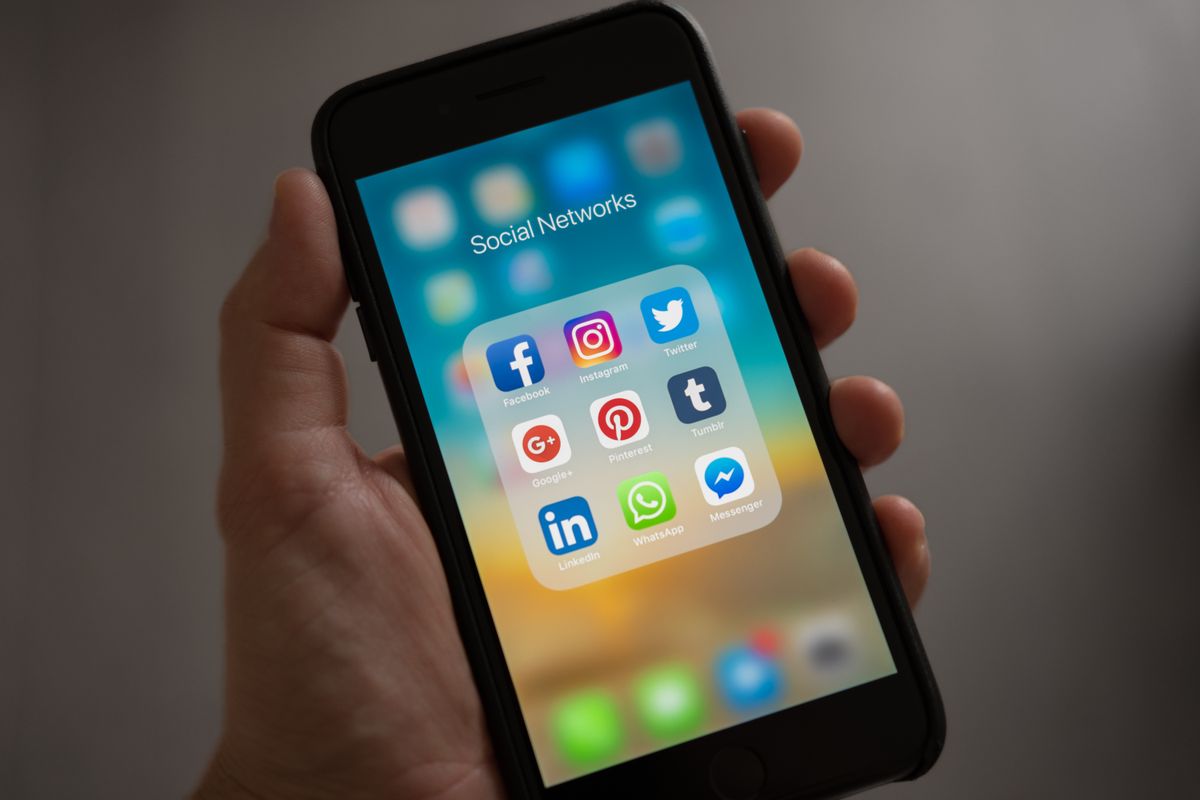
How Much Does Social Media Management Cost for a Medical Practice?
A med spa owner got two quotes to run her Instagram. One said 400 dollars a month, the other said 3,500, and both used the exact same words. When the labels match and the prices do not, something underneath is very different. We pull apart the real 2026 numbers: freelancers at 35 to 150 dollars an hour, agencies at 1,500 to 5,000 a month, and the in house hire that quietly costs more than a full agency once you add benefits, taxes and software to a 65,000 dollar salary. We also explain the healthcare premium nobody warns you about (HIPAA review and medical claim rules add roughly 20 to 30 percent), the five levers that move your price, and the one question cheap quotes always dodge: how will you show me it led to actual patients, not just likes?
Read the article →
How Many Social Media Followers Does a Medical Practice Need?
It is one of the first questions owners ask about social media, and it is the wrong one. A dermatologist once told us a competitor had 40,000 followers to her 900, and she was ready to spend big to catch up, until we asked how many of those 40,000 lived close enough to ever sit in her chair. For a local practice, the follower count is mostly noise. Only about 6 percent of patients say they chose a doctor based on a practice's social media, while 45 percent point to reviews. We break down why a few hundred real local followers out book a giant random audience, the numbers that actually matter (local reach, saves, clicks to book and DMs that turn into appointments), and how to grow the right way instead of chasing a vanity number.
Read the article →
Should Your Medical Practice Be on TikTok?
A dermatologist asked us, half embarrassed, if she should be on TikTok. A third of Gen Z now looks up health questions there before they ever call a doctor, and about one in five check the app before checking with a physician. The catch: studies show nearly half the medical advice on TikTok is misleading, and most of it comes from people with no training. For the right practice that gap is a real opening, not a reason to hide. Here is the honest answer on when TikTok is worth it for your practice, when your time is better spent on Google and reviews, how to post without ever crossing a privacy line, and the one mistake that turns millions of views into zero new patients.
Read the article →
Does Branding Matter for a Medical Practice?
A doctor told us he did not believe in branding. He was a physician, not a soda company. Then he mentioned a newer practice opened nearby and his new patient numbers had slipped, so we put both websites side by side. His looked like 2009. Theirs looked like someone you would trust with your health. About 75 percent of people judge a business by how its website looks, and patients form that gut call in under a second. Branding is not a fancy logo. It is the whole impression that decides who books before a word is spoken. Here is what branding really includes, why consistency across every place patients find you is the part most practices get wrong, and the cheapest fixes that turn the attention you already earn into booked patients.
Read the article →
What Should a Medical Practice Post on Social Media?
You posted the office holiday photo, got four likes, then stared at a blank screen for three weeks. The hardest part of social media is not posting, it is knowing what to post once the obvious stuff runs out. About 44 percent of patients follow a provider to learn something, not to be sold to, so teaching beats selling every time. Here are the five content types that actually build trust and book patients, how to share patient stories without breaking privacy rules, and a simple three post a week plan any busy practice can keep going.
Read the article →
Video Marketing for Medical Practices: Does It Actually Work?
A dermatologist spent months on a slick brand video and got zero patients. Then she filmed 45 seconds on her phone answering one common question, and it outbooked the expensive one in a week. Around 89 percent of people say a video convinced them to buy. For a practice it is not about polish, it is trust. Here is the real data, exactly what to film, and how to stay clear of HIPAA.
Read the article →
How Often Should a Medical Practice Post on Social Media?
Do you really have to post every day? No. On Facebook, practices posting twice a week saw engagement similar to those posting eight or more times, because what you post beats how often. Here is the honest 2026 answer: why consistency wins, the realistic cadence a busy practice can actually keep, and what content actually turns followers into booked patients. With real data and a simple weekly plan.
Read the article →
Which Social Media Platform Is Best for Your Medical Practice?
Should you be on TikTok? Is Facebook dead? You cannot be everywhere at once, and trying is the fastest way to post nowhere. The best platform is just the one where your patients already are. Instagram reaches 80 percent of adults under 30, Facebook still owns the 30 to 49 crowd, and one in three Gen Z users check TikTok for health info. Here is the honest answer by specialty, backed by fresh Pew and healthcare data, plus why social media alone almost never books the patient.
Read the article →Why Doctors Need Social Media in 2026
A family doctor named Mike started answering health questions on camera and ended up trusted by millions. The lesson is not about going viral. It is that the trust patients feel watching a real doctor is the exact trust your local patients are looking for, and right now they decide whether you have it before they ever call.
Read the article →