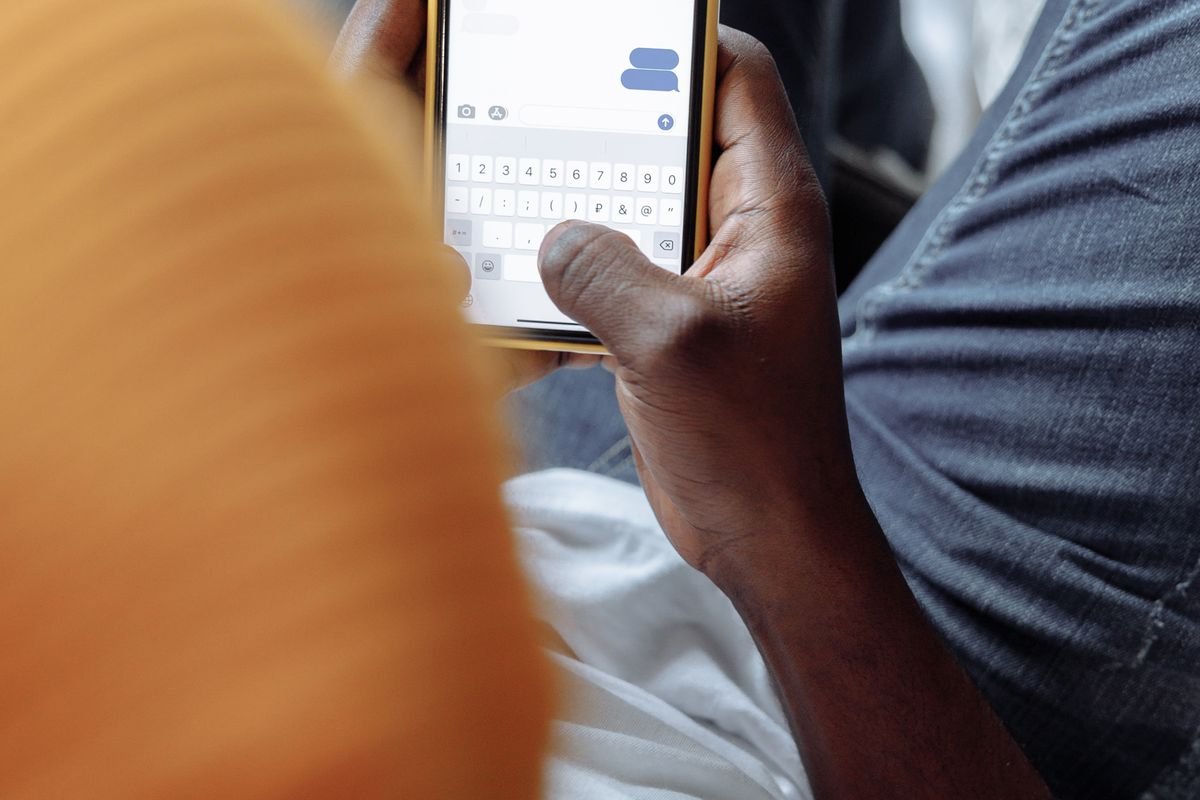
A med spa owner showed us her Instagram one afternoon, half laughing and half mortified. Sitting in the message requests folder was a DM from four days earlier: a woman asking the price of lip filler and whether there was any availability that weekend. By the time anyone saw it, the weekend was over and the woman had, almost certainly, booked somewhere else. That was not a random comment to ignore. That was a patient with her card practically out, left on read.
This happens everywhere, in dental offices, dermatology clinics, physical therapy practices. The ad budget is spent, the pretty posts go up, the followers grow, and then the actual question from an actual patient slips into a folder nobody checks. The marketing worked. The answering did not.
So the real question for 2026 is not whether to be on social media. It is how fast you reply when being on social media finally does its job and a patient reaches out.
A message is a booking request in disguise
People do not open Instagram or Facebook, find your practice, and message you to pass the time. They are already looking at your photos, your reviews, your before and afters, and they have one thing standing between them and a booking. Do you take my plan. How much is that. Do you treat kids. Can I get in this week. A message is the sound of someone trying to say yes.
It matters more now because of how patients pick a doctor in the first place. A 2026 survey covered by Medical Economics found that patients increasingly lean on social media and AI tools when choosing a provider, not just referrals. Your social profiles are now part of the waiting room, and the DM button is the front desk. If that desk is unstaffed, you feel it as a schedule that never quite fills, with no obvious reason why.
Here is the part that stings. Patients rarely message only you. They fire off the same question to two or three practices at once and go with whoever answers first and sounds human. Being fast is not about good manners. It is about being the one who is still in the conversation when they decide.
What patients actually expect, in minutes
The expectation is far tighter than most owners assume, because patients judge you against every other business they message, not against other doctors. Across industries, customer service research finds that about 82% of people expect a response to a social media message within an hour, and a majority get frustrated once they are waiting past two. Meanwhile the average business takes four to five hours to reply. That gap between what people expect and what they get is exactly where patients leak out.
Even the platforms reward speed openly. Instagram and Facebook hand out a Very Responsive to messages badge, shown right on the page, to businesses that reply to at least 90% of messages within 15 minutes. That badge is a public signal to the next patient that you actually answer. A profile without it, with questions visibly left hanging in the comments, says the opposite before anyone sends a word.
So the honest target is under an hour during the day and ideally within 15 minutes, every day, including nights and weekends, which is of course when people have time to scroll and message in the first place.
The whole thing in one line
Patients do not wait for your business hours. They message on their time, expect an answer on their time, and book with whoever shows up on their time.
Why the slow reply is so expensive
The cost is brutal precisely because it is invisible. A missed call at least leaves a voicemail or a number on the screen. A DM that goes cold leaves nothing. The patient does not call back annoyed. They just book elsewhere, and you never learn they existed. There is no line item on any report for the appointment that never happened.
And this is not a one patient problem. Say your practice gets a handful of real inquiry messages a week across Instagram, Facebook, Google, and texts. Lose half to slow replies and you are dropping a dozen or more potential new patients every month. Put your own average patient value on that, multiplied by the years they stay and the friends they refer, and the leak dwarfs almost anything you would cut from the budget to save money.
The pattern mirrors something we have written about with web forms. In how fast you should respond to a new patient lead, the classic finding is that reaching someone within about five minutes makes them vastly more likely to convert than waiting even half an hour. A DM is the same lead wearing a different outfit. The clock starts the moment they hit send, not the moment your front desk gets a free minute.
Why practices keep losing this
It is almost never laziness. It is that nobody owns the inbox and the inbox is scattered. Instagram DMs live in one app, Facebook messages in another, Google messages somewhere else, texts on a phone at the desk, and the person who could answer is rooming patients and handling checkout. Messages arrive in the exact moments the one human who could reply is busy with someone in front of them.
Then there are nights and weekends, which is when a huge share of these messages actually come in. A patient on the couch at 9pm with time to research is the most ready buyer you will get all week, and that is the one window your office is completely dark. By the time someone opens the app at 8am, the conversation is twelve hours cold and often already lost.
The result is a practice paying for reach it cannot catch. You spend on ads and content to get people to raise their hand, then drop the hand because there is no system to grab it in time. We see the same story in whether patients check your social media before booking: they are watching closely, and a row of ignored questions tells them plenty.
How to actually reply in minutes
You fix this with a system, not with willpower or a sticky note that says check the DMs. Three pieces do most of the work.
One inbox for everything. Instagram, Facebook, Google messages, website chat, and texts should all land in a single place, so nobody is app hopping and nothing hides in a requests folder. When every message shows up in one stream with a clear owner, replies stop falling through the cracks. Pulling those channels together and keeping them active is the daily work in our social media management, because posting without answering is half a strategy.
An instant acknowledgment. An auto reply that fires the second a message arrives buys you breathing room and reassures the patient they were heard. Keep it human and specific, something like got your message, we will have an answer for you shortly. Just do not let it be the whole experience. We dug into getting this balance right in whether your practice should auto reply to Instagram DMs. The acknowledgment is the handshake, not the conversation.
A real answer around the clock. This is where most offices hit a wall, because no small team can watch every channel at 9pm. This is exactly what an AI assistant does well. Our AI receptionist can answer the common questions patients ask, do you take my plan, how much, what is your first opening, and book the appointment while the patient is still interested, then hand off to your staff when something genuinely needs a person. The front desk stops playing catch up and only touches the messages that truly need them.
Tie those three together and the whole thing lives inside a patient acquisition system where the message, the reply, and the booking are one connected flow instead of three disconnected chores. The same backbone is what lets a practice text back a missed call in seconds. Catch the message, answer fast, book on the spot.
Where we stand on it
We are a healthcare only marketing agency, and if we had to name the cheapest growth most practices are sitting on, this is near the top. You already paid to get the message. The patient already decided to reach out. All that is left is to answer, fast, like a human, before they move on. Compared to buying more clicks, closing the gap on the inquiries you already receive is almost free money.
So before you add another channel or raise the ad budget, open your own Instagram and Facebook right now and read the message requests. If there is a patient in there from last Tuesday asking a simple question, you do not have a reach problem. You have an answering problem, and that one is very fixable.
Stop losing patients in your own inbox
Book a free strategy call and we will look at how a patient who messages your practice gets handled today, from the first DM to the booked visit, and show you exactly where the fast ones are slipping away. You keep the findings either way, whether you work with us or not.
Book a free strategy call →