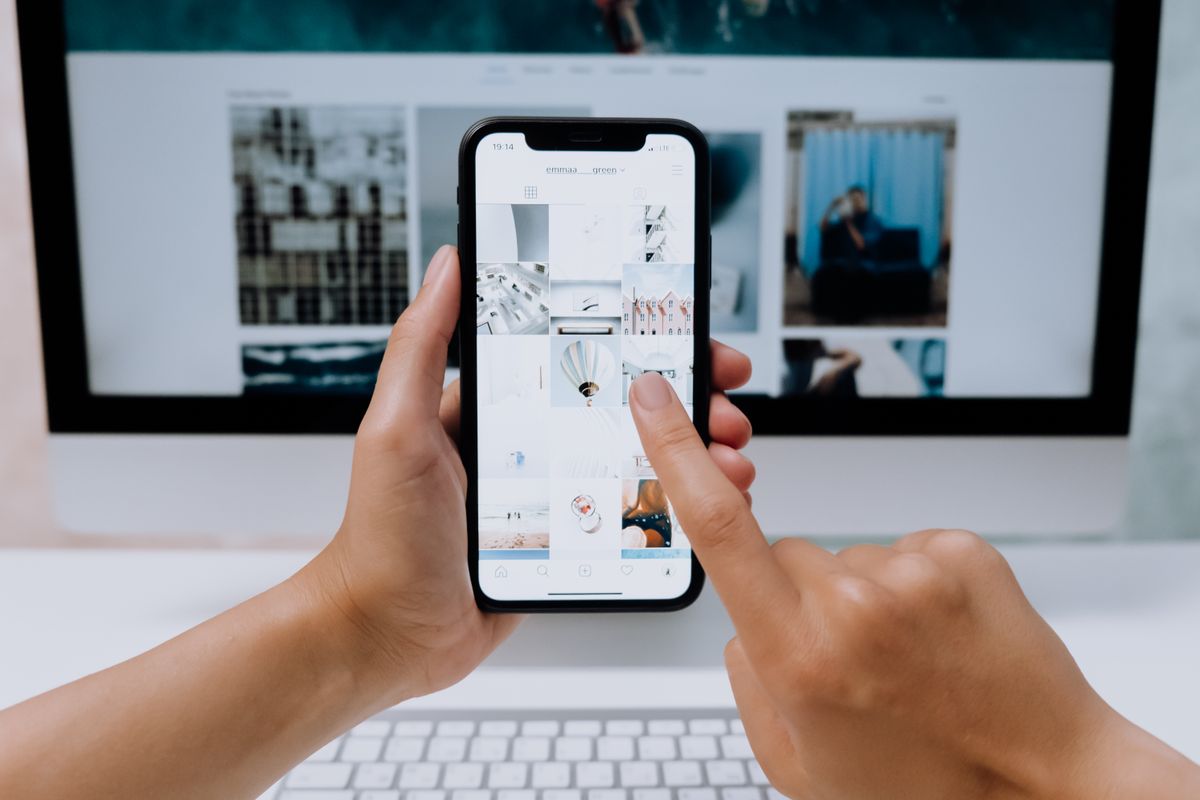
For years the front door of a medical practice was the phone. Patients called, your front desk answered, and that was the whole conversation. That door is still open, but a second one has quietly swung wide: the direct message. People now slide into an Instagram or Facebook DM the same way they used to pick up the phone, except they do it at 9pm, on the couch, in between episodes, when your office is dark and locked.
So the question lands on a lot of owners' desks: do we turn on automatic replies for our DMs, or does that make us look like a cold, robotic brand? It is a fair worry. Nobody wants their practice to feel like a chatbot farm. But the honest answer, once you look at how patients actually behave and what they expect, is that a smart auto reply is not the cold option. Silence is.
Patients message the way they used to call
Messaging a business is no longer a fringe habit, it is the default for a huge share of people. Meta has reported that businesses and users exchange well over a billion messages a month on its apps, and Instagram makes it a one tap action straight from your profile. For a med spa, a dermatology clinic, a dental office, or a TRT practice, the DM is often where the first real contact happens, before any phone call.
The catch is speed. People who message a business expect a fast answer, and "fast" is quicker than most practices realize. According to the 2025 Sprout Social Index, about three quarters of consumers expect a brand to respond within 24 hours, and a large chunk want a reply inside the first hour. That is a tough bar for a two person front desk that is also checking in patients, answering the phone, and handling billing.
Read that number again with a patient in mind. A DM that goes unanswered until Monday is not a neutral event. In a lot of cases it is a patient who already chose the practice down the street that answered in ten minutes. And the gap between expectation and reality is wide: Sprout found that even as the number of messages businesses receive keeps climbing, the share they actually respond to has been slipping, not rising. The volume is winning.
Why the DM is a sales conversation, not small talk
Here is what makes an unanswered DM more expensive than it looks. The person who messages you is not a casual browser. They found your page, they looked at your work, and they took the effort to type a question. That is one of the warmest leads you will ever get, warmer than most ad clicks, because they came looking for you specifically.
And the same rule that governs phone leads governs DMs: speed decides everything. The classic Harvard Business Review research on lead response found that the odds of actually connecting with a lead drop sharply after the first hour. A message answered at 9:45pm while the patient is still holding the phone is a different thing than one answered at 10am two days later, when the moment, and the patient, is gone. We wrote more about this exact leak in how practices lose patients after hours, and the DM is where it bleeds the most.
So yes, auto reply, but do it the right way
An automatic reply is simply a way to make sure nobody ever hears nothing. The goal is not to fake a human conversation. The goal is to catch the patient, give them the one thing they probably want, and set a clear expectation for the human part. Think of it as the digital version of a receptionist saying "thanks for calling, let me get you booked."
A good auto reply does three small jobs:
- It acknowledges them instantly. A reply in five seconds beats a perfect reply in five hours. Just knowing a real practice is on the other end stops the patient from clicking away to the next clinic.
- It hands them the next step. Most DMs are some version of "can I book" or "do you take my insurance." So give them the booking link right there. The patient who wants an appointment can grab a time without waiting on anyone. This is why letting patients book straight from Instagram matters so much.
- It sets a clear human follow up. Tell them when a real person will reply. "Our team will get back to you during office hours" turns an awkward silence into a kept promise.
A template that works: "Thanks for reaching out. You can see our open times and book right here, [link]. For anything else, our team will reply in person during office hours. Talk soon." Short, warm, useful. No robot energy, no fake chit chat, and every patient gets caught.
The line you do not cross: medical questions and HIPAA
Now the honest warning, because this is where practices get themselves in trouble. Instagram and Facebook DMs are not secure, HIPAA compliant channels. So your auto reply, and your staff, should never discuss symptoms, results, diagnoses, or anything tied to a specific person's care inside a DM. A patient who writes "here is a photo of my rash, what is it" should get a warm redirect to a proper visit, never an answer.
This is actually an argument for automation, not against it. An auto reply handles exactly the questions that are safe in public, the hours, the location, the parking, the insurance you accept, whether you are taking new patients, and quietly moves anything personal to a private, secure channel like a booking form, a phone call, or your patient portal. Keep the DM about logistics. Move the medicine somewhere safe. If you want the deeper version of this boundary, our team lives it inside healthcare social media management every day.
Where a basic auto reply stops being enough
Here is the limit of the simple approach. A canned "we will get back to you" is better than silence, but it still leaves the patient waiting for a human who may not show up until morning. The patient who was ready to book at 9pm has to come back. Some do. Many do not.
That is the gap the newer tools close. Instead of a static note, an assistant can actually have the short, useful exchange the patient needs right now: answer whether you take their plan, tell them the next open Tuesday, and lock in the appointment, at 9:40 on a Friday night, with nobody at the office. Our own AI receptionist does this across the phone, text, and social messages at once, so the DM, the missed call, and the website chat all land in the same place and get the same instant answer. It stays firmly in its lane, logistics and booking, and hands anything clinical to your team.
The difference is simple. A basic auto reply says "we saw you." A good assistant says "we saw you, here is your answer, and you are booked." One keeps the patient warm. The other turns the DM into an actual appointment before the feeling fades.
How EtherealMinds sets this up
We work only with healthcare practices in the United States, so this is a conversation we have constantly. Owners are not asking for a robot. They are asking how to stop losing patients who reach out after hours or faster than the front desk can keep up. The answer is rarely "hire someone to watch Instagram all night." It is to build a system that never leaves a message hanging.
That usually means three things working together. A clear, fast auto reply so no DM ever gets silence. Real online booking linked right in the message, so a ready patient can grab a time in a few taps. And, for practices that want it, an assistant that can carry the whole logistics conversation around the clock. It all plugs into the same patient acquisition system we build, so the DM, the call, and the website form are not three separate leaks, they are one funnel that catches everyone.
Stop losing patients in your DMs
Book a free strategy call and we will look at how your practice answers Instagram, Facebook, and website messages today, show you where patients are slipping away after hours, and set up a fast, compliant system that turns a DM into a booked appointment instead of a "Seen."
Book a free strategy call →Frequently asked questions
Should a medical practice auto reply to Instagram and Facebook DMs?
Yes, an instant auto reply is a smart safety net, as long as it is the first word and not the last. Patients now message businesses the way they used to call, often at night and on weekends, and most expect an answer within hours. A short automatic reply that says you got the message, points them to online booking, and sets a clear time for a human follow up keeps the patient warm instead of letting them drift to a competitor. The mistake is using automation to fake a conversation or to answer medical questions. Confirm receipt, hand off to booking or a person, and never let the bot pretend to be a clinician.
How fast do patients expect a reply to a social media message?
Faster than most practices think. According to the 2025 Sprout Social Index, about three quarters of consumers expect a brand to respond within 24 hours, and a large share want an answer within the first hour. The same research found that 73 percent of social media users will buy from a competitor if a brand does not respond. For a practice that means a DM sitting unread until Monday morning is often a patient already booked somewhere else.
Is it HIPAA safe to answer patient questions in Instagram DMs?
Instagram and Facebook messaging are not HIPAA compliant channels, so you should never discuss symptoms, diagnoses, test results, or anything tied to a specific patient's care inside a DM. That is actually a good argument for a smart auto reply. The automated message can answer the general questions that are fine in public, like hours, location, parking, insurance accepted, and whether you are taking new patients, and then move anything personal to a secure booking link, a phone call, or your patient portal. Keep the DM general and move the private part to a private channel.
What should a medical practice auto reply message say?
Keep it short, warm, and useful. A good template: thank them for reaching out, give the one thing most people want, which is usually a booking link, and tell them when a human will follow up. For example, Thanks for your message. You can see open times and book right here, link, and our team will reply in person during office hours. Avoid long robotic scripts, avoid asking for health details, and never promise medical answers. The job of the auto reply is to catch the patient and point them to the next step, not to replace your staff.
Can an AI receptionist handle Instagram and Facebook messages?
Yes. The newer approach is to route calls, texts, and social messages into one assistant that answers instantly around the clock, handles the common questions like hours and insurance, and books the appointment or hands off to your team when something needs a human. That is different from a basic auto reply because it can actually help the patient move forward at 9pm, not just leave them a note. The key is keeping it inside its lane: logistics and booking, never clinical advice.