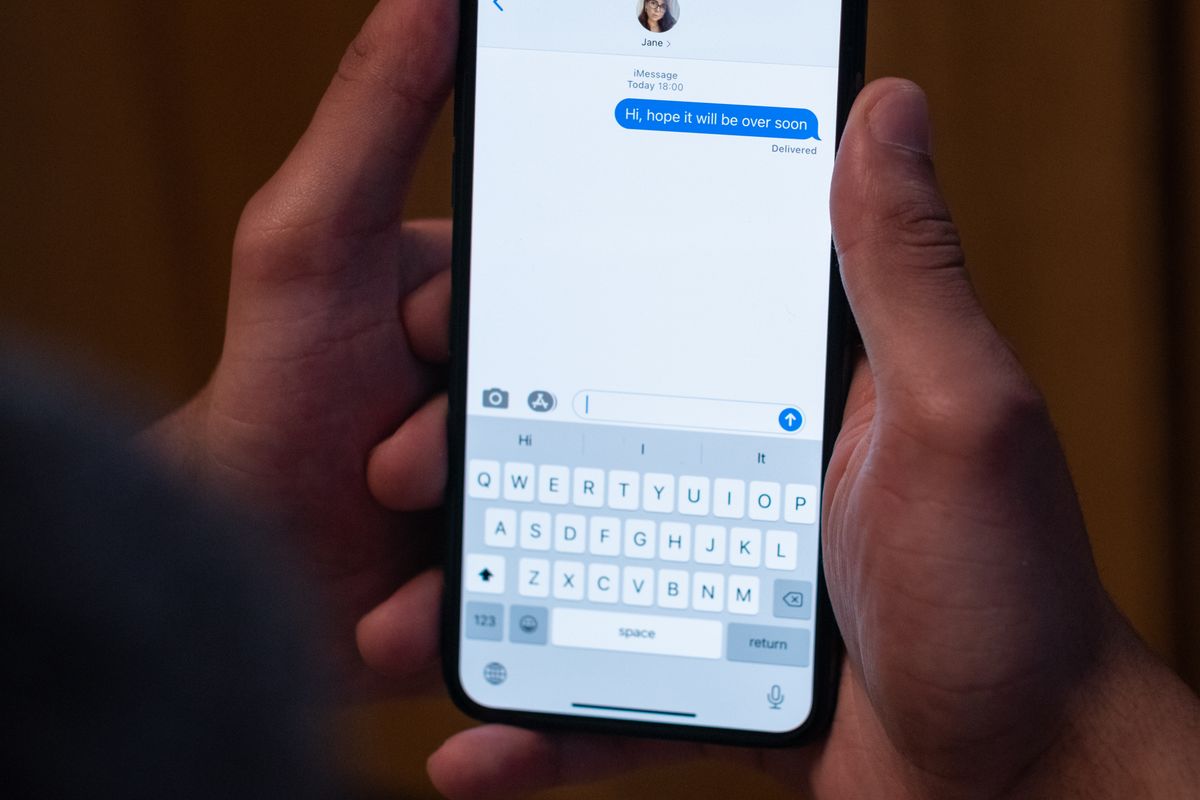
A dermatology office called us in July, frustrated about no shows. They were doing everything the old way and doing it well: a friendly receptionist called every patient the day before to confirm. The problem was that half the calls went to voicemail, a chunk of those voicemails never got heard, and the ones that did get heard often came too late for the patient to reschedule anyway. The front desk was spending hours a day on a task that was failing without anyone noticing.
We asked one question. Had they ever texted the reminders instead? They had not. Texting felt less personal to the owner, almost rude. That instinct is common, and the new data says it is backwards. Patients do not read a reminder text as rude. They read it as convenient. And convenient is what gets them to show up.
The survey that settles the argument
In early 2026, the messaging company Sinch surveyed 1,000 patients across the United States, ages 18 to 78, about how they actually want their doctors and pharmacies to communicate with them. You can read the full writeup in The State of Healthcare Patient Communication in 2026. The headline number is hard to argue with: 93% of patients had already opted in to receive texts from a healthcare provider or facility.
When asked which channels they prefer, the ranking was not close:
- Text message, 90%
- Email, 59%
- Patient portal, 55%
- Phone call, 34%
Read that last line again. The phone call, the channel most practices still treat as the default and build their whole front desk around, came in dead last. Only about a third of patients prefer it. Meanwhile the channel many owners still feel uneasy about is the runaway favorite, preferred by nine in ten people.
This is not a vanity stat. It changes who shows up.
Channel preference would be a fun fact if it stopped there. It does not. The same survey tied the channel straight to the numbers a practice actually loses sleep over.
Eighty four percent of patients said they are more likely to attend an appointment when they get a text reminder. And here is the part that stings: 34% admitted they had missed an appointment simply because they never saw or received the reminder. That is not a patient who does not care. That is a patient who would have come if the message had reached them in a way they check. A missed message became an empty chair.
It carries into the pharmacy side too. Eighty eight percent said they are more likely to refill a prescription after a text, which matters for any practice that lives on recurring care and adherence. The pattern is the same everywhere: the message that gets seen is the message that gets acted on, and text gets seen.
No shows are expensive and maddening, and we have written at length about how to attack them from the booking side too. If that is your pain, pair this with our piece on whether online scheduling reduces no shows. But if you only change one thing this quarter, changing the channel your reminders ride on is the highest return move on the board.
What about the portal you paid for?
Here is where owners push back. We spent money on a patient portal. Isn't that where this communication is supposed to live? The honest answer is that the portal is good at some things and bad at the thing you need most.
The portal is fine for records, results, and documents, the deeper tasks a patient sits down to do on purpose. It is terrible as a front door for everyday, time sensitive messages, because it makes the patient do the work. They have to remember the portal exists, find the login, reset the password they forgot, and go check. Most will not. We dug into this gap in whether patients actually use your patient portal, and the short version matches the new survey: the portal is a filing cabinet, not a doorbell.
Text is the doorbell. It goes to the device already in their hand, it shows up on the lock screen, and it does not ask them to log in to anything. So the right setup is not portal or text. It is text for the quick, timely, show up and rebook moments, and portal and email for the heavy documents they open on purpose.
One way blasts are not enough. Patients want to text back.
The survey had one more finding that separates practices that do texting well from practices that just bolt it on. Sixty eight percent of patients said they want two way texting, the ability to reply with a question or to reschedule, not just receive a one way announcement.
This is the difference between a reminder and a conversation. A one way text that says see you tomorrow at 3 is helpful. A text the patient can answer with can we move it to Thursday, and actually get a response, saves the appointment instead of losing it. When a patient cannot reply, they fall back to calling, which puts them right back in the voicemail trap you were trying to escape. If you want the deeper case for it, we made it in whether your medical practice should use two way texting.
Younger patients will leave over this
If you think this is a nice to have you can get to next year, look at who your future patients are. In the survey, 42% of Gen Z patients said they would switch providers or pharmacies if texting was not available. Not that they would prefer it. That they would leave. For the patients who will fill your schedule for the next twenty years, texting is not a perk. It is a baseline expectation, the same way online booking became one.
And the convenience is real on both sides. Forty three percent of patients said texting instead of calling saved them between one and three or more hours over a year. Every one of those hours is also time your front desk is not spending on hold or leaving voicemails. The channel patients prefer happens to be the channel that frees up your staff. That is a rare win where the easy choice and the right choice are the same choice.
Yes, you can do this. A quick word on consent and AI.
Two practical questions always come up. First, is it allowed? Yes, with consent. Under the Telephone Consumer Protection Act you need permission before you text a patient, which is why you collect a mobile number and a clear opt in on your forms and booking page, and you honor any opt out. Since 93% of patients opt in when simply asked, consent is almost never the real blocker. The blocker is that the practice never built the habit of collecting the number and the permission. If you want the details, start with whether you need consent to text patients.
Second, where does automation fit? Patients are open to it, within limits. The same survey found 55% are comfortable with automation for simple reminders, while 22% still want a real person for anything beyond that. The lesson is not all or nothing. Automate the repetitive reminders and confirmations, and make sure a human, or a smart assistant that hands off cleanly to a human, is there for the real questions.
Where EtherealMinds comes in
We work only with healthcare practices across the United States, and this is one of the fastest fixes we put in place, because the payoff shows up in the schedule within weeks. Most of our clients are not missing patients because their care is weak. They are missing them because their reminders go out on a channel patients ignore, and because a patient who wants to reschedule has no way to do it except a phone call they will not make.
Inside the patient acquisition and communication system we build, reminders and confirmations go out by text automatically, patients can text back to ask a question or move an appointment, and the opt in gets collected the moment someone books, so consent is handled without anyone chasing it. We also make sure the first touch works everywhere a patient meets you, which is why our websites that convert put click to text and booking right where a phone thumb lands instead of hiding a phone number in the footer.
And for the questions that come in after hours or when the lines are full, we connect our AI receptionist, so a patient who texts at 9pm gets a real, helpful answer and can book right then, instead of a wall of silence until morning. By then, as the data on fast response keeps showing, a lot of them have already booked somewhere else.
Try the free version of this test this week. Pull your last fifty confirmation attempts and count how many actually reached the patient on a channel they check. Then ask your front desk how many hours a day they spend on the phone doing it. The survey already told you what your patients want. The only question left is whether your practice is reaching out the way they prefer, or the way it always has.
Reaching out the way patients ignore?
Book a free strategy call. We will set up text first reminders, two way messaging, and the consent and follow up flow that gets more patients to show up, without adding a minute to your front desk's day.
Book a free strategy call →