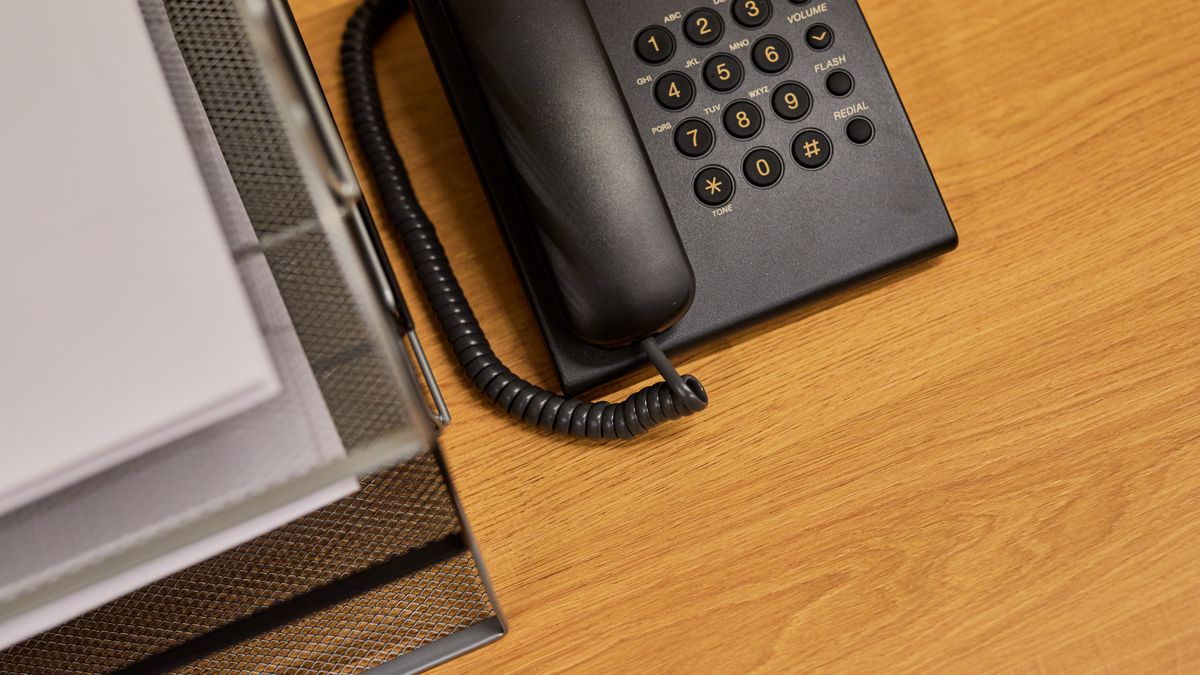
A patient of ours told us a story that sticks. A woman had been meaning to book a dermatology appointment for weeks. She finally got a free minute at 12:20 on a Tuesday, sat in her car with a sandwich, and called the office she had picked. It rang six times and went to voicemail. She hung up, called the next clinic on the map, and a person answered on the second ring. She booked. The first practice never knew she existed. They did not miss a phone call. They missed a patient, and every visit and referral that patient would have brought for the next ten years.
This happens every single day, and the worst of it clusters in a window most owners never think about: the lunch hour. It is not a mystery why. Most patients have jobs. Noon to one is often the only stretch of the day they can step away and deal with personal stuff. So they call you then. The problem is that your front desk keeps the same hours, so your team is at lunch at the exact moment a real wave of ready to book patients is trying to reach you.
The lunch hour is a hang up spike, not a slow time
A lot of practices assume midday is slow and staff the phones accordingly. The call data says the opposite about who is hanging up. When one company analyzed 10,000 real medical calls, the clear pattern was that abandoned calls spike at three moments: Monday mornings, Friday afternoons, and the lunch hour, with most callers giving up after about 90 seconds, according to Matik's analysis of medical call abandonment. Noon to one is not low demand. It is low answer rate colliding with a burst of motivated callers who all had the same idea at the same time.
Step back and the overall miss rate is sobering. Compilations of medical practice phone data put roughly one in four inbound calls as unanswered, meaning sent to voicemail, abandoned on hold, or disconnected, per a roundup of medical practice phone statistics from AgentZap. Solo and small practices tend to run worse, often north of 30 percent, because one or two people simply cannot answer the phone, room a patient, verify insurance, and check someone out all at once. The lunch window just concentrates all of that pressure into sixty minutes.
A missed call is not a message. It is a lost patient.
Here is the part owners underestimate. When you miss a call, you picture a little voicemail light waiting patiently for you to get back from lunch. That is not what happens. Most callers never leave a message at all. Across studies, somewhere around 60 to 70 percent of people who hit a voicemail or busy signal hang up without saying a word, and for patients under 45 that number climbs past 80 percent. They do not wait around. Many of them immediately dial a competitor. One behavioral study found that a large majority of healthcare consumers will call an alternative provider the moment their first choice does not pick up, a figure Patient10x pegs at 67 percent.
So the real cost of a missed lunch call is not a callback you owe someone. It is a booking that just walked next door, permanently. And the math is brutal because you cannot count it as one appointment. A new patient is worth their whole run with you, often hundreds to several thousand dollars over the years, plus the people they refer. Miss even a handful of new patient calls a week and the lost revenue over a year lands well into five figures, sometimes six. We walked through the full number in our piece on how the front desk loses patients on the phone, and it is almost always bigger than owners guess.
The frustrating thing is that this leak is invisible on a P and L. You never see the patient who did not get through. There is no line item called "revenue lost to the lunch hour." It only shows up as a schedule that never quite fills, and a marketing budget that seems to underperform. You can spend thousands driving people to call you, then drop a quarter of them at the last second because the phone rang out at 12:30. That is not a marketing problem. It is a capture problem, and it is a lot cheaper to fix.
Why staggering lunch breaks does not fully solve it
The obvious answer is to stagger lunches so the phone is always staffed. Do that. It helps. But it rarely closes the gap on its own, for a few reasons. During the noon rush, the one person left covering the desk is also greeting the lobby, checking people in, and rooming patients, so the phone still competes and loses. The same crunch hits at your other rush hours, the first and last hour of the day, when a big share of daily calls land. And none of it covers the calls that come in after you close, on weekends, or during a snowed under Monday morning when everyone is on the line at once.
In other words, the lunch hour is just the clearest example of a bigger truth: your busiest calling times and your thinnest staffing times overlap, and no reasonable amount of scheduling fully fixes that with human coverage alone. We covered the after hours version of this in are you losing patients after hours, and it is the same leak wearing a different hat. Speed of answer is the whole game. When a lead calls, the practice that picks up first usually wins, which is exactly why how fast you respond to a new patient inquiry matters as much as anything in your marketing.
What actually closes the gap
The goal is simple to say: every call gets a real, warm answer, every time, no matter what your team is doing or what the clock says. Getting there usually means three things working together.
Cover your known rush windows. You already know when your spikes are: the first hour, the last hour, and the lunch window. Staff or route those deliberately instead of hoping. Do not let noon to one go dark just because the lobby happens to be calm.
Kill the maze. If a caller does get through, do not make them fight a phone tree with eight options and a two minute hold. Patience is thin. Many callers bail inside the first minute and a half. A human sounding answer that gets them to a person or a booking fast is worth more than any clever menu. We made that case in is your phone menu costing you patients.
Make sure something always picks up. This is where a lot of practices have changed how they work. Instead of adding front desk headcount to cover lunch and evenings, they put an AI receptionist on the line to answer instantly, in a natural voice, book the appointment right into the calendar, and take a proper message when a human is truly needed. It never eats lunch, never calls in sick, and never lets the noon rush ring out. You can hear our AI receptionist answer a call live, and if you are weighing the idea, we wrote an honest look at where it fits in voice AI for medical practice phones.
Our honest take
Before you spend another dollar on ads or SEO, go do one thing this week: call your own office at 12:30 on a Tuesday from a number nobody recognizes, and see what happens. Count the rings. Notice whether you hit a person, a menu, or a voicemail. Then do it again at 5:45 and on a Saturday morning. Most owners are genuinely surprised, and not in a good way. You are paying to make the phone ring, and then not answering it during the exact hours your working patients are free to call.
We are a marketing agency, so you would expect us to push campaigns. We do the opposite here on purpose. Fixing the phone is almost always the highest return move a practice can make, because the demand is already there and already motivated, and you are simply catching what you have instead of buying more. A caller at lunch has done all the hard work. They found you, they decided, they dialed. The only question left is whether anyone answers. Make sure the answer is yes, every time, and you will fill more of your schedule than any new ad ever could.
How EtherealMinds plugs the phone leak
We treat the phone as part of one connected patient acquisition system, not an afterthought. First we find where you are actually bleeding, whether that is the lunch window, after hours, or the Monday morning pileup, by looking at your real call patterns. Then we make sure every one of those calls gets a warm, instant answer with an AI receptionist that books directly into your calendar, so the noon rush and the 8pm callers stop slipping away. And because a booked patient still has to show up, we wire in fast text confirmations and reminders behind it to cut no shows.
The point is not more technology for its own sake. It is that winning attention is worthless if a quarter of the calls it produces ring out at lunchtime. Attention in the front, capture and retention out the back, all in one place you control. If you are not sure how many calls your practice is dropping right now, that is the very first thing we will show you.
Stop losing patients at lunch
Book a free strategy call. We will pull apart where your practice is dropping calls, from the noon rush to after hours, and show you a simple plan to make sure every ready to book patient gets a real answer and lands on your schedule.
Book a free strategy call →