A plastic surgeon told me last year, half joking, that he would rather do a full day of surgery than record one 30 second video of himself. I get it. Nobody went to medical school to become a content creator, and watching yourself on a screen is nobody's idea of fun. So he had built a nice, busy Instagram full of before and after photos, clinic shots and the occasional stock graphic. Solid. Professional. And it barely moved.
Then his PA, on a slow Friday, filmed him answering one question patients ask constantly: does a nose job hurt as much as people think. No script, phone propped against a coffee cup, 40 seconds. It outperformed three months of his polished posts combined. New patients started mentioning it on the phone. That clip did more than the whole grid.
That is the whole article in one story, but let me give you the real reasoning and the numbers, because the answer is not simply "yes, always film everything."
Why the face matters so much
Two things are true at once in 2026, and together they make a doctor on camera close to the most valuable content a practice can make.
First, video has eaten social media. Short form video now takes around 58% of all the time people spend on social platforms, and it is the format marketers plan to invest in most this year, according to Sprout Social's 2026 video research. If you are posting only photos and graphics, you are fighting for the shrinking half of attention that is left.
Second, and this is the part specific to healthcare, patients trust a person far more than they trust a brand. Industry data shows most consumers trust health information delivered on video more than the same words in text, yet they trust random, faceless health videos much less. A real clinician, named, on camera, is what closes that gap. Nobody picks a surgeon because of a logo. They pick the human they feel they already know a little.
Think about how you choose anything personal. You watch a few seconds, you read the face, you decide "this person seems calm and knows their stuff" or "no thanks." Patients do the exact same thing before they ever call. Your face on a short video lets them make that call in your favor, at 11pm, from the couch, weeks before they book.
You are not trying to become an influencer
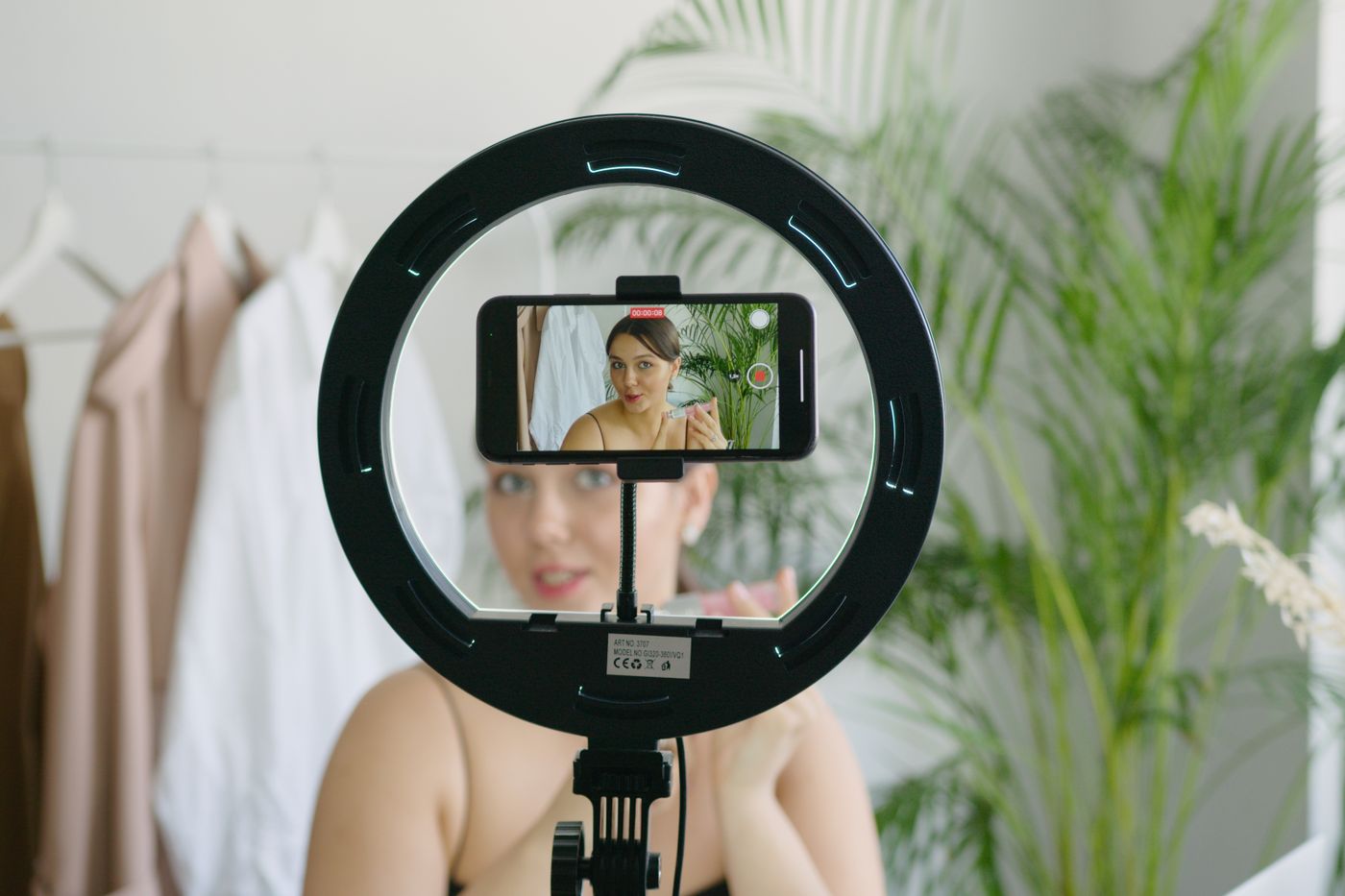
Here is where a lot of doctors freeze up. They picture dancing, trending audio, saying "hey guys," and a full ring light production. That is not the job, and honestly that stuff usually works against a medical practice. You are not competing to be entertaining. You are trying to be the trustworthy expert a nervous person wants in their corner.
That bar is much lower and much more doable. A good clip is just you, well lit, easy to hear, answering one real question like you would answer it in the exam room. No performance. In fact the slightly imperfect, human version beats the overproduced one, because a video that looks like an ad gets scrolled past like an ad. We wrote about the same idea for photos in why real doctors beat stock photos, and it holds double for video.
What to actually put on camera
The best content is sitting in your day already. Every question a patient asks you for the tenth time this week is a video. A few reliable formats:
- The question you are sick of answering. Does this hurt. How long is recovery. Will insurance cover it. If ten patients ask it, ten thousand are Googling it.
- The myth that drives you crazy. "No, you do not need to stop eating after 7pm." "No, cracking your knuckles does not cause arthritis." Correcting a common belief travels far and shows your judgment.
- What a first visit is really like. A quick, calm walk through of what happens takes the fear out and gets the anxious patient to finally book.
- The difference between two things people confuse. Botox versus filler, a sprain versus a strain, a cleaning versus a deep cleaning. Clear, useful, and only you can explain it well.
Short form video like this is the strongest fit for visual, decision heavy specialties, which is why we lean on it hard for med spas and aesthetic practices. If that is your world, our approach to social media for med spas is built around the founder or lead injector being the face, not a logo. The same playbook works for a dermatology practice where trust in the person doing the treatment is everything.
What if the doctor absolutely will not do it?
This is the real question behind the question, and it comes up constantly. Some doctors will never be comfortable on camera, and forcing it produces stiff, painful videos nobody wants to watch. So here is the honest ladder we walk practices through.
Start absurdly small. One 20 second clip, one question, one take, no script. Most people loosen up after five or six tries and realize it is not so bad. A short weekly habit beats a big scary shoot that never happens.
If the doctor still refuses, hand the camera to someone warm. A friendly nurse, a PA, the office manager who everyone loves. A consistent, familiar staff face still crushes a faceless account. Patients bond with whoever shows up regularly and seems like a real, kind human. It does not have to be the person holding the scalpel.
Lean on patient voices, with consent. A happy patient telling their story on camera is powerful and takes the doctor out of the spotlight. Just handle it carefully and get written permission, which we covered in whether video testimonials work.
One caution while you are at it: being helpful on camera is not the same as giving medical advice to individuals in your comments and DMs. Keep it general and educational. We got into that line in whether doctors should answer medical questions on social media.
The honest catch: consistency, not courage
Here is what actually decides whether this works, and it is not whether the doctor is brave enough to hit record once. It is whether the practice keeps it up. One great video is a nice moment. A face that shows up every single week, month after month, is how a stranger slowly turns into "oh, I know that doctor, I trust them." That drip is the whole point, and it is where almost everyone falls off.
The reason is simple and human: the doctor is busy, filming feels awkward, and there is always a fire to put out first. So the camera stays in the drawer, the account goes quiet, and everyone concludes "social does not work for us." The content was never the problem. The system to keep producing it was. This is exactly the same trap that kills most practice accounts, and it is worth reading next to why social media is not getting you patients.
Where EtherealMinds fits
Getting a doctor on camera consistently, without it eating their week, is a real job with real moving parts. Someone has to figure out the questions worth answering, hand the doctor a simple shot list so filming takes ten minutes not two hours, edit the clips so they look clean and human, caption them for the scroll, post on a steady schedule, and tie it all back to a booking link that actually converts.
That is the everyday work of our healthcare social media management. We make the filming as painless as possible, usually a short batch every couple of weeks, and we run everything around it so the doctor's only job is to show up and be themselves for a few minutes. The face is yours. The system that turns it into new patients is ours.
Want the doctor on camera without the headache?
Book a free strategy call. We will map the exact videos your future patients are searching for, make filming painless, and build the social media system around them so a few minutes on camera turns into booked visits, month after month.
Book a free strategy call →