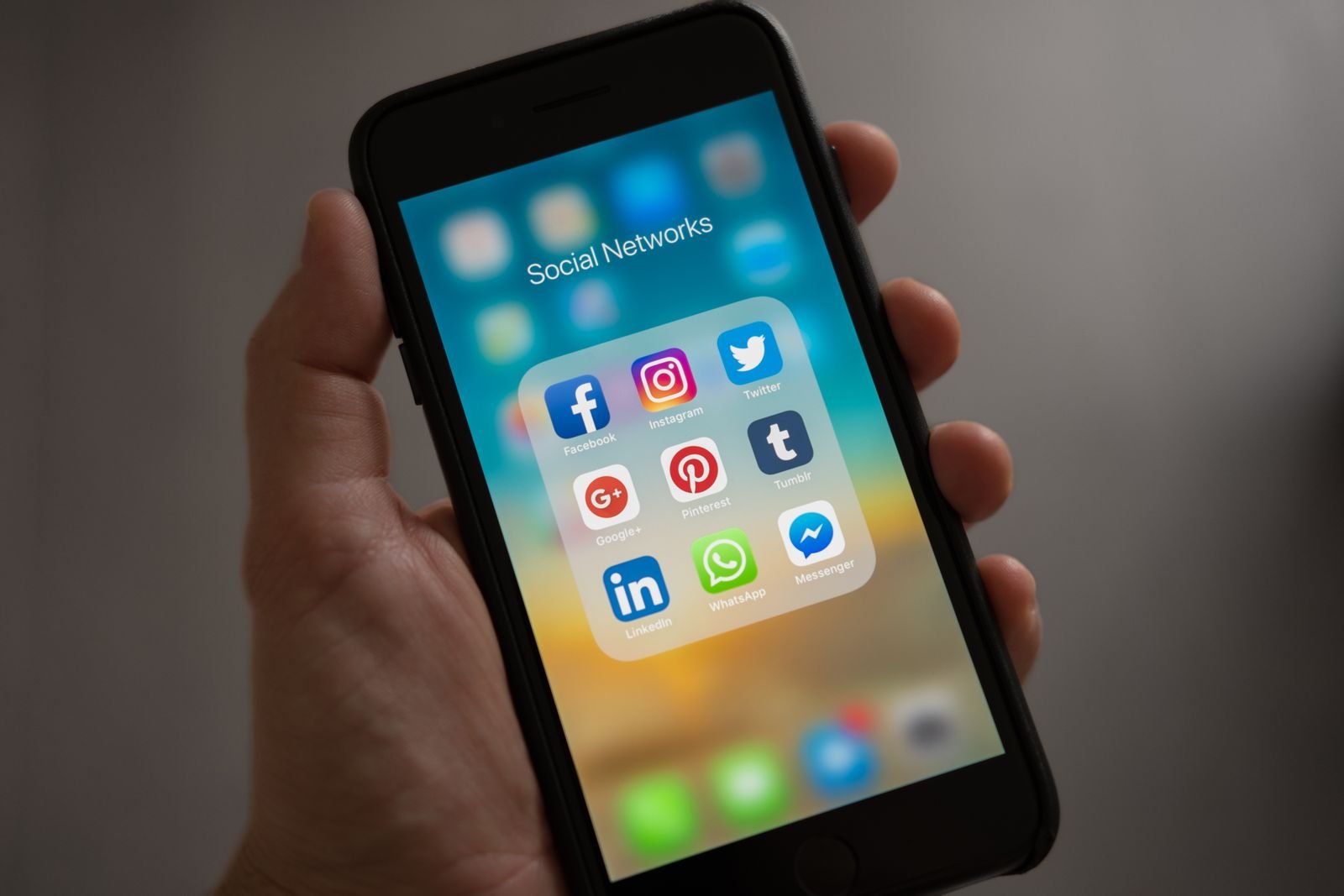
A med spa owner told us something last month that stuck with us. "I post every single day. Reels, before and afters, tips, all of it. My following is growing. But when I ask new patients how they found me, almost none of them say Instagram. They say Google, or a friend. So what am I doing all this for?" It is one of the most honest questions we hear, and the data finally gives it a clear answer.
In January 2026, Tebra surveyed 805 US patients about how they actually find and choose doctors. When asked how they discovered a new provider, the answers were not close. Word of mouth and referrals tied at 50%. Insurance portals, 50%. Google, 48%. And social media? Just 10%. Generative AI tools like ChatGPT came in at 7%. So the short version: for roughly nine out of ten patients, social media is not how they find you.
If you have been grinding out daily posts hoping they turn into bookings, that number stings. But it is not a reason to delete your accounts. It is a reason to understand what social media is really doing, because it is doing something important. It is just not the job most people assign to it.
Discovery and trust are two different jobs
Here is the distinction almost nobody makes. There is the channel that gets a patient to first hear of you, and there is the thing that convinces them to book. Those are two separate jobs, and social media is bad at the first and genuinely great at the second.
Think about how it actually plays out. A friend mentions your name at dinner. Or a patient searches "dermatologist near me" and sees your practice in the Google map pack. That is discovery, and it happened on word of mouth or Google, not social. But then what do a lot of people do next? They tap over to your Instagram or Facebook to size you up. Are you real? Are you active? Do you look like someone who knows what they are doing, or did you post twice in 2023 and vanish?
That second look is where social media lives. It rarely starts the relationship, but it very often decides whether the relationship happens. A warm, current feed with real faces and real work tells a nervous patient "these people are legit, go ahead and book." An abandoned page whispers the opposite. Same practice, very different outcome, and it turns on content most owners treat as an afterthought.
The one line version
Social media is not where patients find you. It is where they check you out after they already found you. Measure it as a trust builder, not a lead machine, and it suddenly makes sense.
Why "only 10%" does not mean "quit posting"
It is tempting to read that 10% and shut the whole thing down. Do not. Two reasons.
First, the check happens whether you participate or not. If your social links are on your website and your Google profile, patients will click them. So the page exists in their decision either way. The only question is whether it helps or hurts. Leaving it dead does not make it neutral. It makes it a liability, the digital equivalent of a waiting room with the lights off.
Second, the people doing that second look are your warmest prospects. They already heard your name or saw your listing. They are close to booking. That is the most valuable moment in the whole journey, and social is one of the few things you fully control at exactly that instant. Fumbling it is far more expensive than fumbling a cold scroll from a stranger who was never going to book anyway. This is the same reason an abandoned feed can cost you more than no feed at all, something we dug into in whether a practice can grow without social media.
So the goal is not reach for its own sake. Chasing followers is mostly a vanity trap, which is why we have argued that followers rarely become patients on their own. The goal is a page that makes the already interested patient feel safe hitting "book."
Where the money should go first
If social is the closer, what is the opener? The data points straight at it. Google at 48% and word of mouth at 50% are where patients actually discover you, and both funnel through the same few assets. So before you worry about your posting calendar, get these right.
Your Google Business Profile. This is the single most seen thing you own. It shows your stars, hours, photos, and booking link the moment someone searches you or your specialty nearby. If it is thin or wrong, you lose patients before social ever gets a turn. If you are not even showing up, start with why your practice may not appear on Google and how to climb the map pack.
Local SEO and a website that converts. The 48% searching Google land on the map, then your site. If your site is slow, confusing, or has no clear way to book, the search was wasted. Our healthcare SEO and website work exists for exactly this handoff, turning the people Google sends into booked appointments.
Reviews. Word of mouth and the Google search both end at the same checkpoint: your reviews. They are the proof that makes a stranger trust you, and they feed your map ranking too. A steady stream of fresh ones does more for new patients than a month of Reels.
Notice social media is not on that list of openers. It sits on top of this foundation, not under it. When practices get the order backwards, pouring hours into posting while their Google profile gathers dust, they are decorating the lobby of a building nobody can find. We see it constantly. The fix is almost never "post more." It is "get found first, then let social close."
So what should you actually post?
Once the foundation is solid, social is worth doing, and doing well. Since its job is reassurance, post the things that reassure a human who is one tap from booking:
Real faces. Your team, your office, you. People book humans, not logos. A short intro of the provider who will actually treat them beats any stock photo. This is the content patients want most when they look you up.
Short, genuine education. Quick clips answering the questions patients ask all day. Does this hurt? Do I need a referral? What is recovery like? Answering those builds trust and shows competence at the same time. Video gets the most reach right now, so lean into it over static graphics.
Proof, where allowed. Results, before and afters for the specialties that permit it, a happy review reshared with permission. This is the social version of word of mouth, and it is persuasive.
Skip the filler: generic health quotes, stock images, holiday graphics that could belong to any business. They read as template and do the opposite of building trust. And do not confuse volume with value. A steady, honest handful of posts beats a daily flood of nothing, which is roughly what we found when we looked at how often a practice should really post. If you want help picking the right platform for your specialty rather than being everywhere at once, we covered that in the best platform for a medical practice.
Where we stand on it
We run social media for healthcare practices, so it would be easy for us to tell you social is the engine of growth and sell you a posting package. It is not, and we will not. The honest truth, backed by the 2026 numbers, is that patients find you through Google, referrals, and insurance lists, then check your social to decide if you are worth the booking. That makes social a closer, not an opener. A vital closer, but a closer.
So the smart play is not "post more" or "post less." It is sequence. Nail the things patients see first, your Google profile, your reviews, a website that converts. Then run social with intent, as the trust layer that catches the warm patient mid decision. Done in that order, a modest, genuine feed steadily lifts your booking rate. Done backwards, the most beautiful Instagram in town sits in front of a practice nobody can find. We build the whole sequence as one connected patient acquisition system precisely because the pieces only work when they work together, and we handle the social media management as the layer on top, not the whole plan.
If the referral well ever runs dry, you will be glad the foundation was there first. That is the real lesson behind the 10%, and it is also why word of mouth alone is not enough anymore.
Spend your marketing effort where patients actually look
Book a free strategy call and we will show you where your new patients really come from today, whether your Google profile and website are catching them, and where social fits so it builds trust instead of just burning your time. You keep the findings either way.
Book a free strategy call →