Empty chairs are one of the most expensive problems in a practice, and they are invisible on the P and L. You do not get a bill that says "lost $200 today." The money just never shows up. So owners go looking for a lever, and the credit card on file is the one everybody mentions at conferences. Before you roll it out, it helps to be clear on what it is, what it actually does, and what it quietly does to the patients you want to keep.
First, what a card on file really is
People mix up three things that are related but not the same, and the mix up is where policies go wrong.
- A deposit is money a patient prepays to hold the booking. It gets applied to the visit, or kept if they vanish. We wrote a full breakdown in should your practice require a deposit from new patients.
- A no show fee is a charge you try to collect after someone misses. The charge is easy to write into a policy. Collecting it is the hard part, which is exactly what my med spa client ran into.
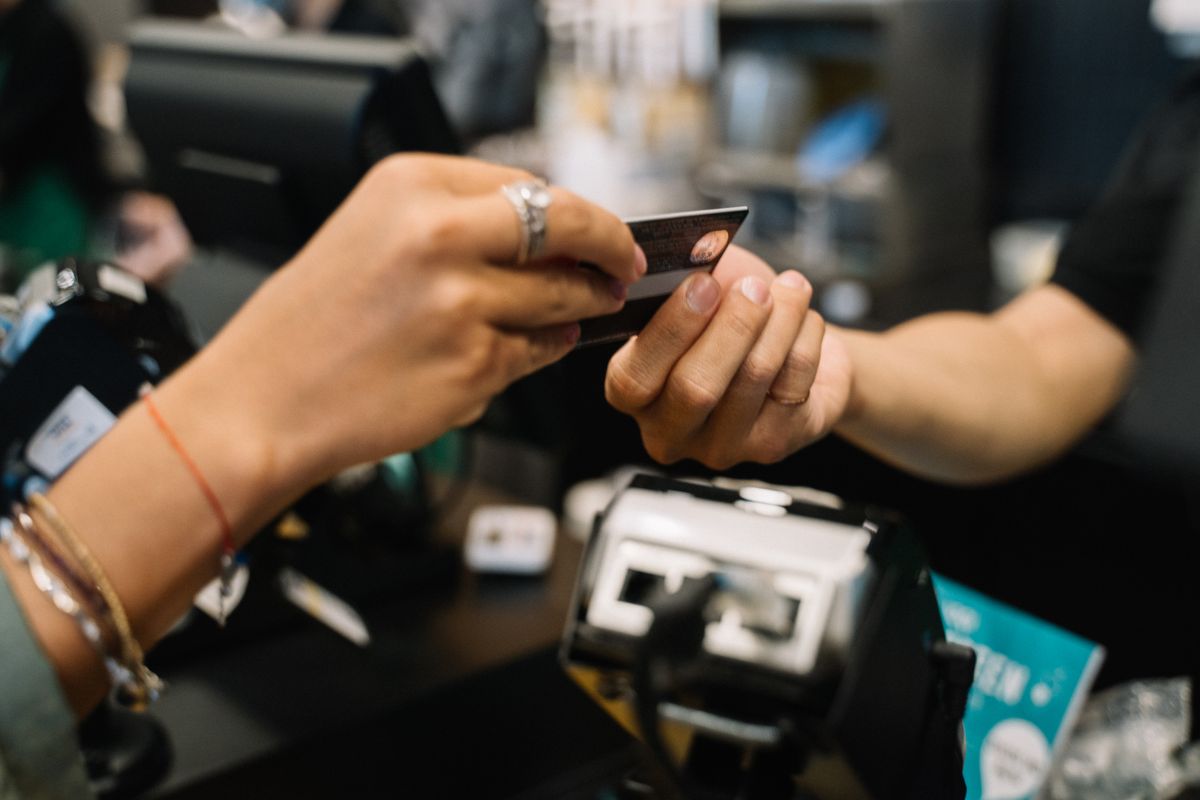
- A card on file is the mechanism that makes the other two actually work. With the patient's consent, you securely store a card so you can apply a deposit or charge an agreed fee automatically, instead of chasing an invoice that mostly goes unpaid.
So the real question is not "fee or no fee." It is whether you want a reliable way to act on the policy you already have. That is what a card on file buys you.
The problem it is trying to solve is bigger than people think
No shows are not a rounding error. According to the Medical Group Management Association, the average missed appointment costs a physician practice around $200 in lost revenue. Multiply that across a full schedule and it adds up fast. Industry roundups put the national cost of missed appointments at roughly $150 billion a year.
And it is not spread evenly. Average no show rates sit somewhere around 15 to 27 percent depending on the setting, but some specialties get hit much harder. Dermatology and pediatrics routinely see rates near 30 percent, and a practice with no reminder system at all can land even higher. We put real dollar figures on this in how much a no show really costs a medical practice. The short version: if one in five of your booked slots evaporates, you are not running a marketing problem, you are running a leak.
Does a card on file actually reduce no shows?
Yes, and here is the honest nuance: it helps, but it is not the whole fix. Two things happen when a patient hands over a card. First, there is a small psychological commitment, the same reason people keep a promise they have signed their name to. Second, you remove the consequence free exit. Skipping stops being a decision with no downside. Practices that add a card on file commonly see their no show rate drop.
But there is a trap in thinking a fee solves everything. As one practice management analysis put it bluntly this year, a $50 fee will not fix a $50,000 problem. If your schedule leaks because reminders are weak, booking is clunky, or patients cannot easily reschedule, a card on file just collects a little money on the way down. It treats the symptom. The practices that actually fix no shows pair the card with the boring stuff that works: text reminders people actually read, friction free online booking, and the ability to reschedule in a tap. We covered that side in does online scheduling reduce no shows.
The part nobody likes to talk about: patient trust
Here is where good intentions go sideways. A card on file is convenient until the patient gets a charge they did not expect. That is the moment trust snaps, the review gets written, and the chargeback lands on your desk. The feeling you are managing is not the fee itself, it is the surprise.
The good news is that storing a card is familiar to people now. Mastercard research found that 78 percent of consumers prefer using the same payment method for recurring bills as they use for other online purchases. Your patients already keep a card on file with their pharmacy, their gym and their streaming apps. They are not offended by the idea. They are offended by being charged without warning.
So the rule is simple. Make the terms clear up front, charge only what the patient agreed to, and tell them before you do it. Framed as convenience, "keep a card on file so checkout is quick and you never get a surprise invoice," it lands fine. Framed as a gotcha at the front desk, it costs you the exact patients you worked to attract.
The rules you cannot skip
This is healthcare, so storing a card is not like a coffee shop saving your tab. Get these right or do not do it at all.
Get written authorization that names the charges. A signed card on file agreement should spell out exactly when you may charge it: copays, balances after insurance, deductibles, late cancellations, no show fees. No vague "and other amounts." Specific, or it is not real consent.
Never store the raw card yourself. Use a PCI compliant processor that tokenizes the card, so what you hold is a secure token, not the number. A card number written on an intake form or saved in a spreadsheet is a breach waiting to happen. The PCI Security Standards Council is clear that sensitive data like the CVV must never be stored after authorization.
Keep it HIPAA compliant with a signed agreement. Your payment vendor should sign a business associate agreement, since payment data tied to a patient is protected. If a vendor shrugs at that, walk. The HHS guidance on HIPAA is the baseline, not a nice to have.
Disclose the amounts and notify before charging. Tell patients the fee amount when they sign, and send a heads up before any charge hits. This is good ethics and it is also your best defense against disputes.
Set a fair fee. Most practices land between $25 and $75, or a small percentage of the visit, not the full cost of the appointment. The point is to make the time feel valuable and nudge early cancellations so you can rebook, not to punish people. If your no show fee reads as a penalty, patients leave. Our deeper take lives in should your practice charge a no show fee. And check your payer contracts first, because some insurers limit what you can bill for a missed covered visit.
A quick test before you roll it out
Read your card on file policy out loud as if you were the patient hearing it at the front desk for the first time. Does it sound like a convenience, or does it sound like fine print designed to catch you? If you flinch, your patients will too. The winning version is short, warm and specific: here is the card, here is the one thing we might charge, here is how much, and we will always tell you first. Clarity is the whole game.
When it makes sense, and when it does not
A card on file is not right for every practice, and pretending otherwise is how owners end up with a trust problem. Where it tends to work well: elective and cosmetic care like med spas, aesthetics and dermatology, where it is already the norm and the slots are in high demand. Where patients are paying out of pocket for premium time, protecting that time is reasonable and they expect it.
Where it needs a lighter touch: practices serving anxious, lower income or high deductible patients, and first time visitors who have not met you yet. A new patient already no shows more than your regulars, so hitting them with a payment policy before they trust you can scare off someone who would have become loyal. In those cases, lead with reminders and a warm confirmation call, and bring the card in gently, if at all. The honest answer is that this is a judgment call about your specific patients, not a one size rule.
Where EtherealMinds fits, honestly
We are a marketing agency, not a billing company, so here is the straight version. A card on file sits at the end of a chain. If the earlier links are strong, you may barely need it. If they are weak, no fee will save you.
What we build is the earlier links: a patient acquisition system with online booking, automatic text and email reminders, easy rescheduling and a waitlist that fills a canceled slot before it costs you anything, plus a website that makes booking and rescheduling effortless instead of a phone tag marathon. When those are humming, the card on file becomes a light backstop for the rare true no show, not a wall you put between you and new patients. If you want to collect balances and fees cleanly too, pairing it with text to pay keeps checkout fast and friendly. We only work with healthcare practices in the United States, and if an honest look says your real issue is reminders or scheduling rather than fees, we will tell you that instead of selling you a policy.
Our honest take
Should your practice keep a credit card on file? For most elective and high demand practices, yes, and done right it quietly removes a daily source of lost revenue. But the word that matters is "right." A card on file is a tool for reliably acting on a fair policy, not a shortcut around the work of reminders, easy booking and a schedule people can actually manage. Treat it as a convenience you offer, be specific about what you will charge, and never surprise anyone. Do that, and it protects your time without costing you trust. Skip the clarity, and you will collect a few fees while slowly training patients to book somewhere that feels easier. The empty chair is the enemy. A card on file is one good way to fight it, as long as it is the last piece you add, not the first.
Tired of empty chairs and fees you can never collect?
Book a free strategy call. We will look at how your bookings, reminders and no shows work today, show you where the schedule is leaking, and help you decide whether a card on file even belongs in your mix. No pressure and no package pushed on you, just a clear plan to keep more of the slots you already fill.
Book a free strategy call →