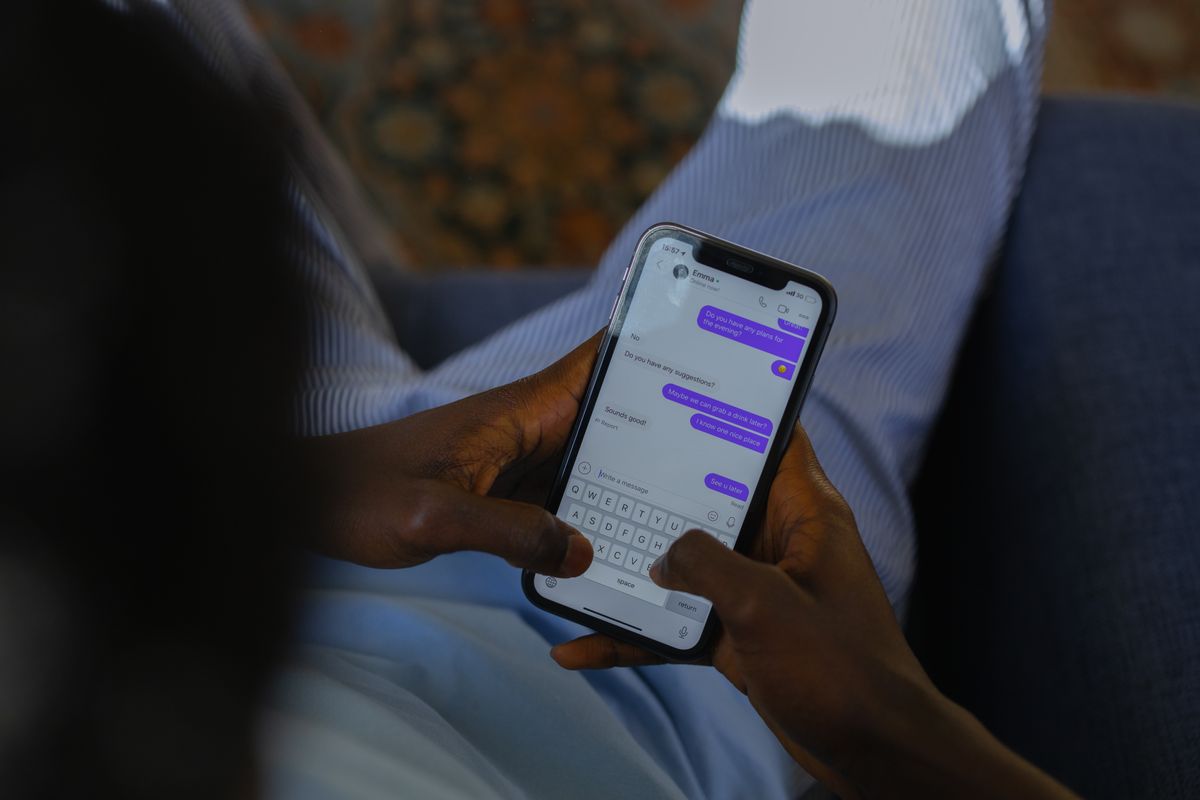
A dermatology office called us last spring, a little embarrassed. A patient had left them a two star review that said, simply, "I tried to text to move my appointment and nobody ever answered." The front desk swore up and down they never got a text. They were both right. The patient had texted the practice's main landline, the number printed on every card and every reminder. That line could only ring. The message went into a void nobody could see. A loyal patient walked away feeling ignored, over a text the office never even received.
That is the whole problem in one story. Patients already assume they can text you. They text the number they have. And at most practices, that text lands nowhere. So before we get to should you let patients text your practice, understand this: many of them are already trying.
Texting became the channel patients prefer
Here is the shift most owners have not fully clocked. Texting has now passed both the phone call and the patient portal as the way patients most want to reach a healthcare provider. According to healthcare texting research compiled by Dialog Health, roughly 80 percent of people say they would rather use their smartphone to interact with their providers, and about 76 percent want text reminders for appointments. This is not a young person thing anymore. It is nearly everyone.
Say it plainly: texting has become the default, and the phone is slowly becoming the backup. The 2026 State of Healthcare Patient Communication report from Sinch tells the same story from the practice side. Around 70 percent of physician practices already use some form of texting, which means if you do not, your competitor down the street probably does.
That number is the one that should make you sit up. It is not just that patients will tolerate a text reminder. Most of them want a real back and forth. They want to reply "can I come at 3 instead" and get an answer, the same way they text their kid's school or their hair salon. A one way reminder that they cannot respond to feels like a robot talking at them. Two way texting feels like a practice that is actually reachable.
Why texting books patients that calling loses
Think about who a phone line filters out. The mom at work who cannot step away to call. The guy who hates the phone and will do anything to avoid it. The patient who calls at 12:10 and hits your lunch voicemail. The anxious first timer who would rather type a question than say it out loud. None of those people are unmotivated. They are just people the phone was never going to catch.
Texting catches them. And the numbers back it up hard. Texts get read about 98 percent of the time, usually within minutes, while email hovers around a 20 percent open rate. Text reminders alone have been shown to cut no show rates by roughly a quarter and lift appointment attendance in a big way, which we dug into in our piece on how to reduce patient no shows. When you add two way texting, the effect compounds: a patient who cannot make it can reschedule in ten seconds instead of just ghosting the slot, and you can offer that slot to someone on your waitlist.
The missed call text back trick that pays for itself
Here is the single highest value use of texting, and almost nobody has it turned on. When a call comes in and no one can pick up, an automatic text fires back within seconds: "Hi, sorry we missed you at Lakeside Family Dental. How can we help? Reply here and we will get you booked." That is it. That one message catches the caller before they dial the next practice.
Why it matters so much: studies of medical offices have found a large share of calls go unanswered during business hours, and most people who hit a voicemail never call back, they just move on. We wrote about that leak in how your front desk loses patients on the phone. Every one of those missed calls might be a patient you paid Google or Meta to send you. Missed call text back turns the ones you drop into a text conversation you can still win. For a lot of practices, that feature alone books more new patients than an entire ad campaign.
Texting does not replace the phone. It plugs the holes.
This is not about ripping out your phone line. Older patients, urgent issues and complicated questions still deserve a real voice, and some people will always prefer to call. The point is that a phone only front desk leaks patients all day, to voicemail, to lunch breaks, to hold music, to after hours. Texting is the net underneath. Offer both channels, let the patient pick, and far fewer of them slip through.
The part everyone worries about: is it HIPAA safe?
Good, you should worry about it. But do not let the worry stop you, because texting can absolutely be done compliantly. The trick is separating logistics from clinical details.
Low risk, go ahead: appointment reminders, confirmations, "we have an opening Thursday," "your forms are ready," "reply YES to confirm." Scheduling and general logistics carry little privacy risk and are the bulk of what patients want anyway.
Handle with care: anything with real health details. For that you want a proper business grade texting platform with a signed business associate agreement, access controls and an audit trail, not a front desk person's personal cell phone and not a plain group chat. A simple rule keeps you safe: keep texts to scheduling and light questions, and move anything sensitive to a secure message or a phone call. We covered the broader version of this balance in whether medical practices should text patients at all.
The mistake we see is the opposite of caution. A staffer starts texting patients from her own phone to be helpful, there is no record, no consent tracking, and it lives on a device that walks out the door when she leaves. That is the real risk, not texting itself. Texting on a real system, with a real process, is safer than the sticky note world most front desks already run on.
How to do it without creating chaos
The fear we hear most is not privacy, it is "my front desk is already drowning, now they have to watch a text inbox too?" Fair. Done wrong, texting is just one more thing beeping at an overwhelmed team. Done right, it takes work off them. A few ground rules:
- One business number, one shared inbox. Never personal phones. Everyone on the team sees the same conversation history, so nothing falls through the cracks when someone is out.
- Automate the repetitive stuff. Reminders, confirmations, missed call text backs and "we got your message" replies should fire on their own. Your team only steps in when a real conversation needs a human.
- Set expectations. An auto reply that says "we usually reply within an hour during office hours, for emergencies call 911" prevents the two star review from the dermatology story above.
- Let patients book by text. Pair texting with online booking so a text conversation can end in a confirmed appointment, not just a promise to call back.
This is exactly where an AI receptionist earns its keep. It answers the text the moment it lands, day or night, holds a natural back and forth, answers the common questions, and books the appointment straight into your calendar, all on the business line with a full record. Your front desk stops babysitting an inbox and only touches the handful of chats that truly need a person. That is how you get the booking upside of texting without piling more on your team, something we broke down in voice AI for medical practice phones.
Our honest take
We are not going to pretend texting is magic that fixes a practice. If your care is rushed or your reviews are rough, faster texts just help people complain quicker. But for the specific problem of losing patients at the front door, letting patients text you is one of the highest return, lowest drama changes a practice can make. The demand is already there. Patients are texting your landline right now and getting silence. You are just deciding whether anyone is on the other end.
So should you let patients text your practice? If you serve a normal mix of patients in the United States in 2026, yes, with a real system behind it. Put it on a business line, automate the repetitive parts, keep clinical details in a secure channel, and back it up with something that answers instantly so nothing gets missed. Do that, and the channel your patients already prefer stops being a void and starts being your best front door.
Stop losing patients who would rather text
Book a free strategy call. We will set up two way texting, missed call text back and an AI receptionist that answers and books every message, day or night, on a compliant business line connected to your calendar. Fewer missed patients, a calmer front desk, no chaos.
Book a free strategy call →