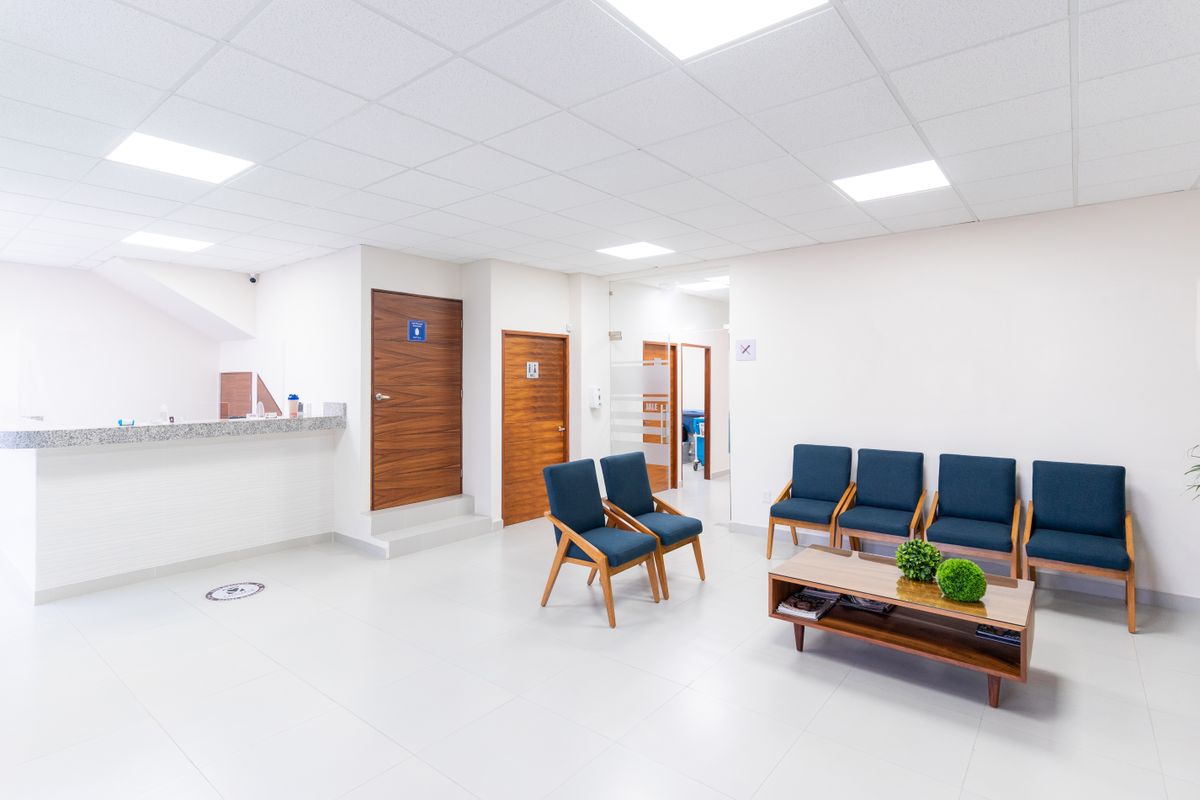
Think about how much you spend to get a stranger to notice your practice. Google ads, social posts, review requests, a website built to convert. All of it exists to buy a few seconds of a person's attention and earn a little trust. Then that person books, drives over, checks in, sits down in your waiting room, and for the next ten to twenty minutes they give you their complete, undivided attention for free. And most practices do absolutely nothing with it.
That is the strange thing about the waiting room. It is the one place where the hardest part of marketing is already done. These are not cold leads. They chose you. They showed up. They trust you enough to hand you their health. And they are bored, phone in hand or eyes on a muted TV, with nothing to do but wait. If you could bottle that mix of attention and trust anywhere else, you would pay a fortune for it. In your lobby, it is sitting there for free.
How much attention are we actually talking about?
More than you think. Patient surveys put the average time in the waiting room somewhere around ten to twenty minutes before a patient is even called back, and that is before any time in the exam room. Industry tracking from patient engagement firms lands near the middle of that, roughly thirteen minutes on average, and nearly every patient waits at least a little. Some specialties run longer. We have written before about how long wait times can cost you patients, and that is real. But while a patient is sitting there, that time is not only a liability. It is also the most valuable ad space you own.
Now here is the part that stings. A patient can sit in your lobby for fifteen minutes, see your name a dozen times, and still walk out with no idea that you also do the exact thing they have been meaning to get done. The dental patient who never learned you do clear aligners. The dermatology patient who did not know you treat the mole they have been ignoring. The primary care patient who had no idea you offer the weight service they have been googling at home. They did not skip it because they were not interested. They skipped it because nobody told them, and the one moment you had their full attention, you played the news.
What most waiting rooms are quietly telling patients
Walk into the average medical waiting room and read the room the way a nervous patient does. The TV is on cable news, which is loud, negative, and stressful for someone already anxious about an appointment. There is a rack of magazines with curled covers and last year's dates. Maybe a poster from a drug company for a medication you do not even prescribe. A patient sitting in that room is not learning anything about you. If anything, the tired setup whispers that the practice has not updated much of anything in a while.
None of this is a moral failing. Nobody wakes up excited to redesign the lobby. It just never makes the list, because it does not scream for attention the way a broken phone or a bad review does. But that is exactly why fixing it is such a good deal. The competition is doing nothing here, so a small, thoughtful effort stands out immediately, and it costs almost nothing.
The mindset shift
Stop thinking of the waiting room as a place patients endure. Start thinking of it as a channel you own, with a built in, pre qualified audience who already trusts you. You would never buy an ad and then leave it blank. That muted TV is a blank ad you are already paying rent on.
What to actually put in front of them
The goal is not to turn your lobby into a used car showroom. Patients can smell a hard sell, and in a medical setting it backfires. The goal is to be genuinely useful, and to gently answer the question every patient is quietly carrying: what else can these people help me with? Here is what works.
- A simple loop of what you offer. A short slideshow or a printed board that names your services in plain language, leaning hard on the ones patients do not expect. Most current patients only know you for the one thing they came in for. Show them the rest.
- Real results, with consent. Before and after photos are some of the most persuasive content there is, but only with clear written permission for that exact use. Where it fits your specialty and you have proper consent, show them. Where you do not, skip it entirely.
- A couple of real patient reviews. Seeing a neighbor's five star words while you wait is quiet reassurance that you picked right. It also nudges the reader to leave their own.
- An easy next step. A QR code that opens online booking or a review page turns interest into action while the patient is still holding the phone. This is the piece almost everyone forgets.
- A little honest education. A slide on why a yearly skin check matters, or when back pain is worth getting looked at, builds trust and often books the follow up. Teach, do not pitch.
Does any of this actually change behavior? The audience says yes. Surveys of healthcare waiting room signage have found that a large majority of patients who see a message on a screen can later recall at least one thing they saw. When those messages promote real services the practice offers, a meaningful share of patients simply ask about them at the desk. You are not convincing a skeptic. You are informing a fan. That is a much easier job, and it is why the waiting room converts far above its weight. It pairs naturally with the work of getting patients to book more of the services you offer.

Keep it tasteful, and keep it compliant
Two guardrails matter here. First, taste. People are in your lobby because something is wrong or they are worried, so the tone has to stay warm and low pressure. Soft, useful, and human beats loud and salesy every time. A calm loop of your services and a few kind reviews reads as confidence. Flashing discounts read as desperation.
Second, privacy. Anything with a patient in it, including a before and after photo, is protected health information, and using it for marketing requires signed, specific written consent for that use. Never show names, chart details, or other patients on any screen a room full of people can see. When you have real consent, show your results with pride. When you are not certain, leave it out. In healthcare the safe move is always zero risk, and there is plenty of powerful content, like education and reviews, that carries none of it.
The waiting room is one room in a bigger house
Here is where practices go wrong even when they get the lobby right. They treat the waiting room as its own little island. It is not. It is one touchpoint in a whole patient journey, and it only pays off if the rest of the path is ready to catch the interest it creates. A patient scans your QR code to book, and if it dumps them on a clunky page or a phone line nobody answers, you lost them anyway. That is why the screen should point to a website with easy online booking, and why the review nudge should tie into how you already collect Google reviews.
The same content that lives on your lobby screen is the content that should live on your social media and your service pages too. A clip of a result, a patient's kind words, a simple explainer, these are not three separate projects. They are one library of trust building material, shown in the lobby, posted online, and reused in your ads. When it all works together instead of in silos, the waiting room stops being a random nice touch and becomes one reliable piece of a real patient acquisition system. That is the difference between a cute idea and a channel that actually grows the practice.
You do not need a big budget to start
The best part is how cheap the first version is. You do not need a media company or a wall of screens. Start with the TV you already own and a looping slideshow off a cheap streaming stick. Or go even simpler with a well designed printed board and a small table tent with a QR code. The display is not what matters. The message is. A twenty dollar setup with the right content beats a four thousand dollar video wall looping the news.
A short checklist to get going this month:
- Turn off the news. Replace it with a quiet loop of your services, results, and reviews. This one change alone puts you ahead of most practices in town.
- Feature what patients do not know you do. List every service, then highlight the three most patients have no idea you offer. Those are your easiest bookings.
- Add one QR code. Point it at online booking or a review link so interest turns into action on the spot.
- Respect the room. Keep it calm, keep it clean, and keep every patient's information off the screen.
- Connect it to the rest. Make sure the booking page, the phone, and the follow up are ready to catch the patients your lobby just warmed up.
Our honest take
Waiting room marketing will never be the flashiest thing you do. It will not trend, and no vendor is going to sell you a shiny dashboard for it. But pound for pound it might be the best deal in your whole marketing budget, because the audience is already there, already trusting, and already paying attention, and almost none of your competitors are using it. You are quite literally already paying for the room, the chairs, and the electricity. Filling that time with something useful is close to free, and it works because you are informing people who like you, not persuading strangers who do not. Turn off the news, show patients the full picture of what you can do for them, and give them one easy way to take the next step. It is one of the simplest wins in a practice, and it is sitting in your lobby right now, playing the weather.
Want your whole patient journey working this hard?
Book a free strategy call. We will look at how patients find you, book you, and experience your practice from the parking lot to the waiting room, then build the pieces that turn attention into booked visits. Straight advice, built for US healthcare practices, no pressure.
Book a free strategy call →