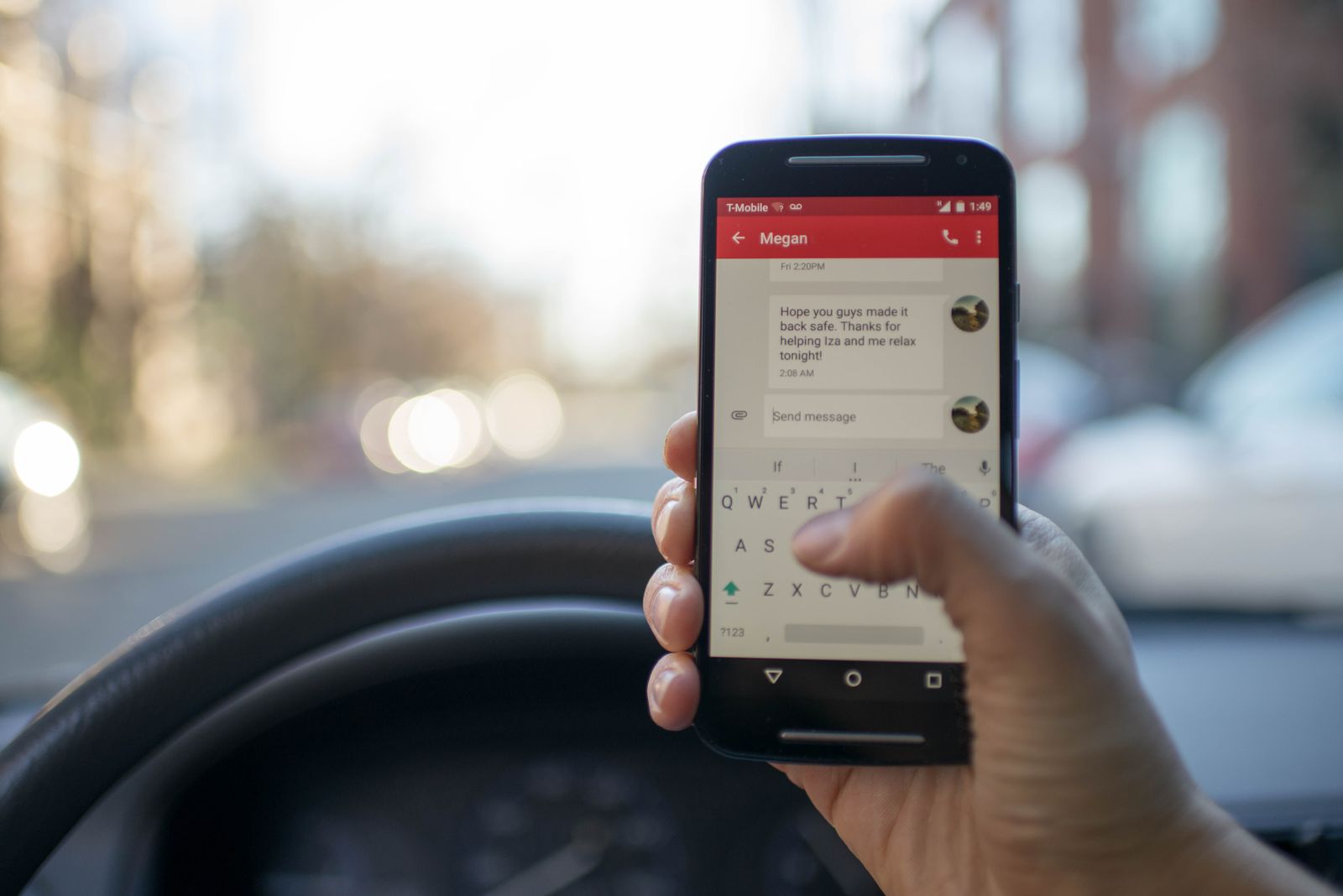
Almost every practice in the country now sends automated texts. Appointment reminders, recall notices, "time for your cleaning," "you are due for a follow up." It is one of the best moves a practice can make, because texts actually get read. But here is the part nobody set up for: when you text a person, they text back. And a new study says most of what they write back is landing in a black hole.
In June 2026, JAMA Network Open published a study from researchers at Kaiser Permanente Colorado that did something simple and overdue. They read what patients actually typed back to automated health system messages. They looked at 38,395 messages sent to 28,456 patients, then analyzed the replies in detail. What they found should make every practice owner go check their own text inbox tonight.
Patients are not just opting out. They are trying to talk to you.
You might assume that when a patient replies to an automated text, they are typing STOP. Some are. But the study found patients were doing far more than that. They were using those one way messages as a door to a real conversation. They asked clarifying questions about their care. They tried to reschedule and confirm appointments. They corrected wrong information in their record. They reported technical glitches. Some expressed plain frustration. As the researchers put it, patients treated these systems as an opportunity for two way communication.
The problem is that the systems were not built to listen. The study found that 43 percent of patient responses were not recognized as any known command. Not a STOP, not a START, not a CANCEL. Just text a human wrote, flagged as no action, going nowhere. Think about what that means at scale. Nearly half of the replies patients sent to their own health system were effectively dropped on the floor.
Why a dropped reply is worse than no text at all
When a patient replies and hears nothing, they do not assume your system is broken. They assume you got the message and chose not to answer. That feels like being ignored by your doctor's office, and it does real damage in three ways.
- Reschedules turn into no shows without a sound. A patient texts "can we push this to next week?" and gets silence. They do not pick up the phone to sort it out. They just do not show up. That is a preventable empty chair that began with a patient trying to keep the appointment. If that stings, look at what a single no show actually costs your practice.
- Simple questions bounce back to the phone. The patient who could not get a text answer now calls during your busiest hour and sits on hold. Most of those are quick logistics a text could have closed in seconds, so your front desk pays for the dropped reply twice.
- Trust erodes one unanswered message at a time. A reminder you cannot answer feels like a robot talking at the patient. It makes a practice feel colder than the one down the street that actually replies.
We watched this exact thing with a family practice that could not figure out why their no show rate stayed stubborn even after they turned on reminders. When we opened the hood, patients had been replying to those reminders for months, asking to move times and asking quick questions, and every one of those texts had gone to a send only number nobody could see. They were not blowing off their appointments. They were trying to reach a practice that had its ears closed.
The part that should worry you most
Lost reschedules and extra phone calls are a money problem. This next one is a safety problem. The JAMA researchers found that some patients replied with clinical concerns, questions about symptoms and care that belonged in front of a human fast. In a send only setup, that message sits unread next to the "can we reschedule" texts, indistinguishable and invisible.
Picture a patient who texts back "I have been having chest tightness since yesterday, should I still come in Thursday?" If that lands in a dead inbox, nobody at your practice even knows it was sent. That is the kind of gap that keeps owners up at night once they realize it exists. At the very least, every automated text should tell patients to call 911 in an emergency and not to use text for urgent issues, and every incoming message should route somewhere a real person checks quickly.
The short version
Sending automated texts without being able to receive replies is like putting a mail slot on a wall with no room behind it. Patients post real messages through it every day, reschedules, questions, even concerns, and they pile up where no one can read them. If you already text patients, the fix is not more messages. It is making sure someone is on the other end.
What the fix actually looks like
You do not need to stop automating. You need to close the loop so a reply has somewhere to go. Here is the honest playbook.
Move off a send only number. Use a real two way texting setup built for healthcare, one that will sign a business associate agreement, keep messages secure, and log consent. When a patient replies, it should land in an inbox a human can see and answer, not vanish.
Give the inbox an owner. During office hours, one person should be responsible for watching incoming texts the same way someone watches the phones. Replies should be answered in minutes, not someday. A message that waits a day is barely better than one that disappeared.
Make opting out and reaching a human obvious. Every message should let a patient reply STOP to opt out, which you need anyway under the Telephone Consumer Protection Act, and should make clear how to reach a person. The JAMA team specifically recommended campaign specific opt outs and clearer instructions, because a lot of the confusion came from patients not knowing how to answer a machine. If the consent and opt out rules are fuzzy for you, we broke them down in whether you need consent to text patients.
Keep clinical detail light. Reminders, confirmations, logistics, and "please call us about your results" are fine with consent. Detailed test results and sensitive clinical information belong in a secure channel, not standard SMS.
Where AI earns its keep here
The honest tension is this: the moment patients can reply, somebody has to answer, and your front desk is already underwater. That is exactly the gap an AI assistant is built to fill. The same JAMA study pointed at this, recommending AI assisted routing to triage incoming messages. A good AI layer reads an inbound text, answers the routine questions instantly at any hour, offers open appointment times, and pulls in a human the moment the conversation turns clinical or emotional. You can feel how that works with our AI receptionist, which handles texts and calls the same way.
What AI should never do is sit between a worried patient and a human, playing doctor. Use it for speed and logistics, the confirmations, the reschedules, the "where do I park at 9pm," and hand off anything that needs judgment to your team. Done right, it means no patient text goes unseen, which is the whole point. It is the same instinct behind texting back every missed call: when someone reaches out, answer.
Our take
Automated texting was supposed to make patients feel more cared for, not less. For a lot of practices it is doing the opposite, because the reminders go out but the replies come back to a wall. The JAMA numbers make it plain. Patients are writing to you, nearly half the time in ways your system does not even register, and some of those messages matter a great deal.
Run the two minute test tonight. Reply to your own reminder text from a patient's phone and see where it goes. If the answer is nowhere, that is not a small gap, it is money, trust, and in rare cases safety slipping through every week. Turning automated blasts into real conversations is exactly the kind of thing we wire into the full patient acquisition system we build, so the people trying to reach your practice actually get through. The practices that win from here are not the ones that text the most. They are the ones that answer.
Are patients texting your practice into a void?
Book a free strategy call. We will look at how patients reach you today, whether their texts and calls are actually getting answered, and show you how two way texting plus an AI receptionist can catch the replies you are missing and save the bookings you are losing. No jargon, no pressure, just a clear plan.
Book a free strategy call →