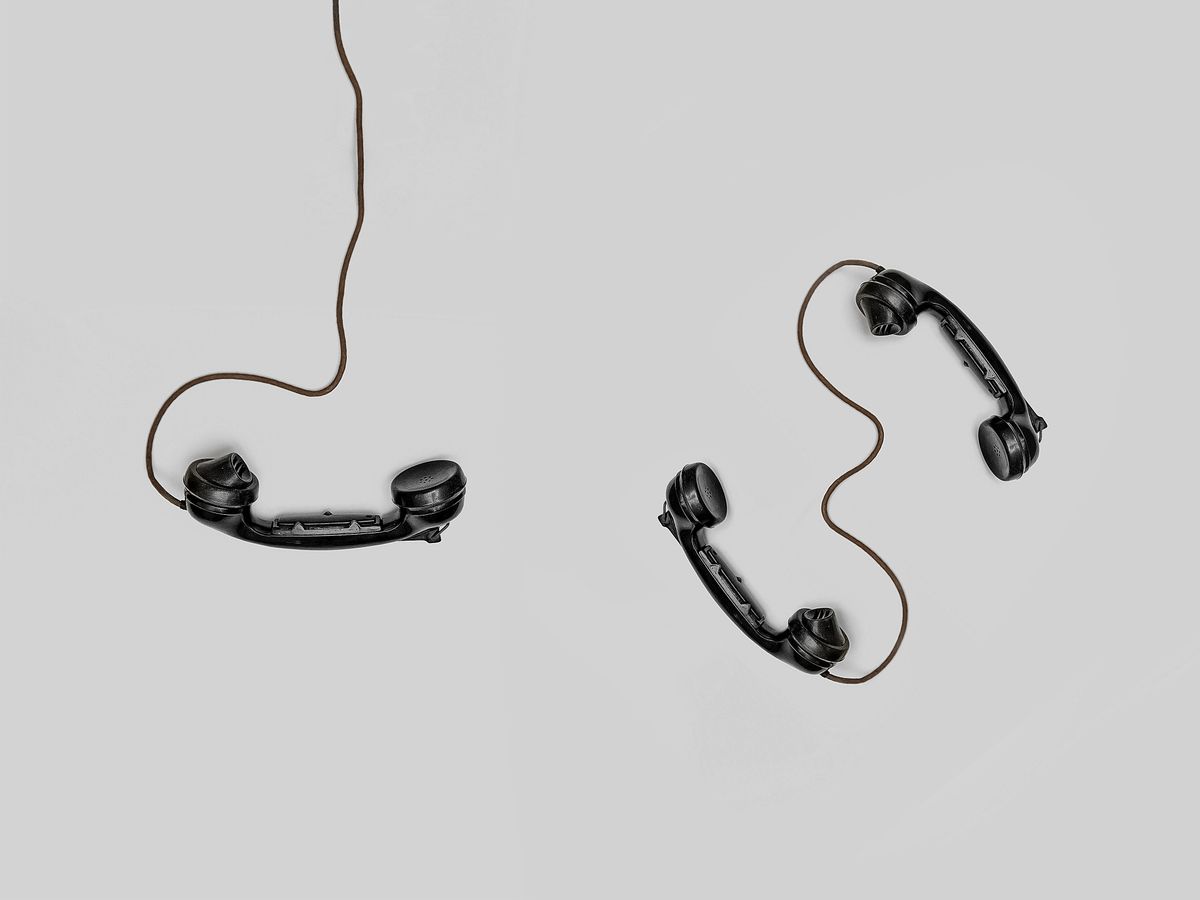
Here is a scene every practice manager knows. It is 12:40 on a Tuesday. Two of your three front desk people are at lunch, the third is checking in a walk in, and the phone rings. It goes to voicemail. A new patient, insurance in hand, ready to book, leaves a short message and hangs up. At 2:15 someone finally calls back. The patient is now in a meeting, so it goes to their voicemail. That evening the patient sees the missed call, does not recognize the number, and ignores it. Nobody did anything wrong. And you just lost a patient anyway.
That is phone tag, and it is not a small annoyance. It is a steady leak of people who already chose you, already picked up the phone, and simply could not get through before their patience ran out. The good news is that this is one of the most fixable problems in a practice, once you see how much it is really costing.
Why phone tag slowly bleeds patients
The brutal part of phone tag is the psychology. When a patient calls a medical practice, they are usually at a moment of intent, something hurts, they just got a referral, a benefit is about to reset. That window does not stay open. If they cannot reach you, they do not wait patiently by the phone. They move on to the next name on the list.
The numbers back this up hard. Industry data on patient calls shows that roughly 85 percent of callers who cannot reach a practice on the first attempt do not call back. And when a call does hit voicemail, a majority of people, well over half, hang up without leaving any message at all. So you do not just lose the call. You lose the record that the patient ever tried. Your voicemail box looks calm while the schedule stays soft, and nobody can point to why.
Stack that on top of how many calls go unanswered in the first place. Across healthcare, practices miss somewhere between a quarter and a third of their inbound calls, and small offices with one or two people up front routinely miss more than that during the lunch rush. We put real dollars on this in how much a missed call costs a medical practice, and the lunch gap specifically in is your practice missing calls at lunch. Every one of those misses is a potential game of tag that the patient is more likely to abandon than you are.
Why the callback almost never works
Practices try to solve phone tag with more effort: call the patient back faster, call twice, leave a detailed voicemail. It rarely fixes it, and the reason is simple. People do not answer unknown numbers anymore. Between spam calls and robocalls, an unfamiliar number that pops up midday reads as a threat, not a healthcare provider. We dug into this in why patients do not answer when you call back.
So your front desk does everything right, calls back within the hour, leaves a warm message, and still gets nothing, because the patient is screening. Now you are two rounds into tag and the patient has half forgotten they called. Effort was never the problem. The channel is the problem. You are trying to win a live phone connection with someone who does not answer live phone calls.
The fix is not calling harder. It is changing the channel.
Here is the shift that ends phone tag: stop trying to reconnect by phone, and move the conversation to the channel patients actually check. That channel is text.
The gap between the two is not small. Text messages get opened around 98 percent of the time, and roughly 90 percent are read within three minutes, while a voicemail can sit for hours or get deleted unheard. Patients feel this too. In a 2025 survey of 1,000 US patients by Sinch, texting was the clear favorite for practice communication, far ahead of phone calls, which only about a third of patients preferred. A separate Healthcare IT News report found the same pull toward messaging over old fashioned phone tag. We compared the two channels head to head in do patients prefer a call or a text.
A two way text usually settles in one exchange what phone tag drags across two days. "Hi Maria, this is Lakeside Dermatology returning your call. We have Thursday at 9 or Friday at 2, want me to hold one for you?" She replies "Friday please" from the checkout line at the grocery store. Done. No voicemail, no callback, no tag.
One setting to turn on this week
Missed call text back. When a call goes unanswered, the caller automatically gets a friendly text within seconds: "Sorry we missed you, this is the front desk at Lakeside. How can we help?" It turns a dead voicemail into a live conversation on the channel patients actually read. It is the single fastest dent you can make in phone tag, and we make the full case in should you text back missed calls.
Five ways to end phone tag, from easiest to strongest
1. Turn on missed call text back
Start here because it is fast and it works. Any call you cannot answer triggers an instant text. The patient replies on their own time, and your team handles it as a message thread instead of a phone chase. Overnight, calls you would have lost to voicemail become bookable conversations.
2. Let patients book without talking to anyone
The best way to win phone tag is to make the call unnecessary. A clear online booking link on your website, your Google profile, and in every text means a motivated patient can grab a slot at 11pm without a single ring. Fewer calls in means fewer chances to miss one. If your booking is clunky, our take on why the front desk loses patients on the phone shows where the drop offs hide.
3. Use two way texting for everything routine
Confirmations, reschedules, "running late," insurance questions, forms. All of it moves faster over text than over a phone chase. Give patients a real number they can text back, not a no reply blast, and staff a shared inbox so nothing sits. Keep it privacy conscious and compliant, patient texting has rules, but done right it removes most of the reasons a phone call was ever needed.
4. Answer more calls live in the first place
Phone tag starts with a missed call, so the further upstream you fix it, the better. Cover the lunch hour on purpose, do not let a full waiting room mean an ignored phone, and know your true answer rate before you assume it is fine. Most owners are shocked when they measure it.
5. Put an AI receptionist on the phones
This is the strongest fix because it removes the root cause: nobody being free to pick up. An AI receptionist answers every call on the first ring, at lunch, after hours, on a Sunday, so calls never roll to voicemail to begin with. It answers common questions, books and reschedules appointments, and texts a link when that is easier. When there is no missed call, there is no callback, and when there is no callback, there is no tag. The patient gets an answer now instead of a maybe later.
Where EtherealMinds fits in
Phone tag is not a staffing failure. It is a systems gap, and it is exactly the kind of leak our patient acquisition system is built to close. We connect your phones, your website booking, and your texting into one flow so a patient who reaches out gets an answer on the channel they prefer, whether a human picks up, a text goes back, or our AI receptionist handles it at 9pm on a holiday.
The point is not to replace your front desk. It is to stop making your front desk fight a losing battle against voicemail and screened callbacks. When every call is either answered live or instantly turned into a text conversation, the whole game of tag disappears, and the patients you already earned actually make it onto the schedule.
Our honest take
Most practices treat phone tag as an unavoidable cost of being busy. It is not. It is a channel mismatch: you are trying to reach patients by live phone call at the exact moment they have stopped answering live phone calls. Move the conversation to text, make booking possible without a call at all, and put something on the line that never goes to lunch. Do that and you will notice something strange, the phones feel calmer, and the schedule fills up. That is not a coincidence. That is the sound of tag ending.
Tired of losing patients to voicemail?
Book a free strategy call. We will look at how calls, texts, and booking flow through your practice right now, show you where phone tag is costing you patients, and map out the simplest fixes first, from missed call text back to an AI receptionist that never misses a ring. No jargon, just a clear plan.
Book a free strategy call →