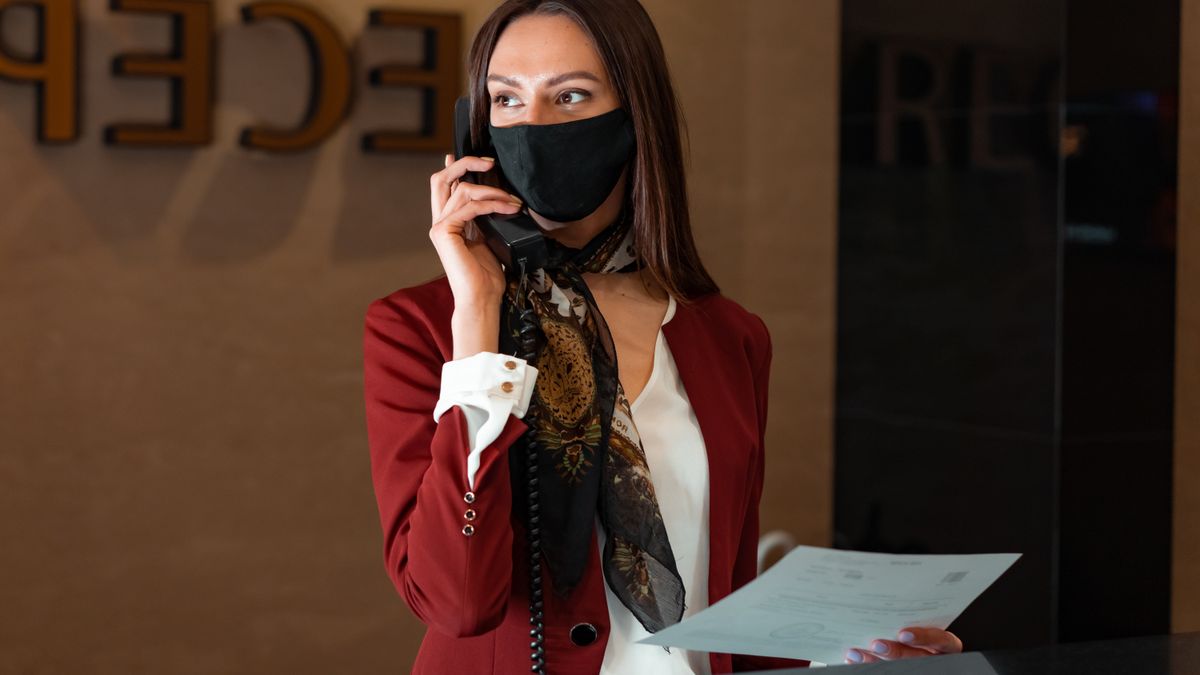
A clinic called us on a Friday afternoon, frustrated. They had just spent a good chunk on Google Ads, the phone was ringing more than ever, and the schedule still was not filling. So we did the simplest test there is. We called their own front desk as a new patient. It rang seven times, went to a voicemail box that was full, and cut us off. That was the whole problem, in one phone call. They were paying to make the phone ring and then dropping the patient on the floor.
Here is the uncomfortable truth about practice growth: the phone is where marketing turns into money, and it is also where most of the money leaks out. You can be brilliant at getting found and still lose the patient in the first ten seconds of the call. A script fixes more of those calls than a bigger ad budget ever will, because it makes a rushed Tuesday and a calm Thursday produce the same result: a booked appointment.
Why the phone still decides whether you grow
It is tempting to think booking has all moved online. It has not. Roughly 80 percent of medical appointments are still scheduled over the phone, and about 67 percent of patients say calling is how they prefer to reach a practice. For anything urgent, anything with insurance questions, anything a patient is nervous about, they pick up the phone. The call is not a leftover channel. For most practices it is still the main one.
And it is leaking. According to MGMA DataDive figures reported in 2025, about 23 percent of calls to medical practices go unanswered, meaning they hit voicemail, get abandoned on hold, or drop. For solo practices the number climbs past 30 percent. One analysis of thousands of calls found that some offices miss closer to 40 percent of calls during business hours. Every one of those is usually a patient who was ready to book.
It gets worse after the ring. When a caller reaches voicemail, about 62 percent hang up without leaving a message, and industry data suggests roughly 85 percent never try calling back. They just dial the next practice on the list. So a missed call is not a call you get to try again later. It is usually a patient gone for good. If you have ever wondered whether your slow month is a marketing problem or a front desk problem, this is where you find out.
The front desk phone script, line by line
A script is not about sounding robotic. It is the opposite. It frees your front desk from improvising under pressure so they can actually be warm, because the words are handled. Here is the version we build with practices. Steal it, change the names, and put it on a card at the desk.
1. The greeting: warm, named, and fast
The first three seconds set the tone. A flat "doctor's office, please hold" tells the patient they are an interruption. Instead:
"Thanks for calling Riverside Family Dental, this is Mia. How can I help you today?"
Three things happen there. You name the practice, so the caller knows they dialed right. You give your own name, which instantly makes it a person and not a switchboard. And you ask an open question that invites them to talk. Say it with a smile. People can hear one through the phone, and it changes how the whole call goes.
2. Capture the number before anything else
This is the move almost no one makes, and it is the most important line in the script. Before you dig into scheduling or pull up the calendar, get their callback number:
"Happy to help with that. Real quick, in case we get cut off, what's the best number to reach you at?"
Calls drop. Systems freeze. A baby cries in the background and the patient has to go. If you already have the number, a dropped call is a five minute callback instead of a lost patient. If you do not, that patient is gone and you never even knew who they were. Get the number in the first thirty seconds, every time.
3. The hold, done right
Sometimes you have to step away. The mistake is a silent, open ended "hold please" followed by three minutes of dead air. Around 60 percent of callers hang up after roughly a minute on hold. So ask, set a time, and offer a way out:
"I need about thirty seconds to pull that up. Can I put you on a quick hold, or would you rather I call you right back in five minutes?"
You asked permission, you gave a number they can live with, and you offered the callback as an escape hatch. That small courtesy is the difference between a patient who waits and a patient who slips off to dial your competitor. We wrote more on exactly how long patients will wait on hold before hanging up, and it is shorter than you think.
4. The price question, without losing them
"How much does it cost?" is where a lot of calls die. Staff blurt a number, the caller says "okay, thanks," and hangs up to keep shopping. The fix is to answer honestly and then bridge to a visit:
"Great question. It depends a little on what you need, so the honest answer is a range, and the best way to get you an exact number is a quick visit where we can actually look. I have Thursday at 2 or Friday at 10, which one is easier for you?"
You did not dodge the question and you did not lie. You acknowledged it, gave context, and moved the conversation toward the calendar instead of ending it on a dollar sign. Price is a concern to handle, not a wall to hit.
5. Book with two times, not an open question
Never end with "so when works for you?" That hands the patient a blank calendar and a reason to say "let me check and call you back," which they never do. Offer a choice between two real times:
"Let's get you in. I have Thursday at 2 or Friday at 10. Which one works better?"
Two options feels easy to answer and gently assumes the booking is happening. If neither fits, offer two more. You are steering toward a decision, not waiting for one.
6. Confirm, and cut the no show risk
Once it is on the calendar, lock it in and set up the reminder in the same breath:
"Perfect, you're all set for Thursday at 2 with Dr. Lee. I'm sending a text confirmation to that number right now. If anything comes up, just reply to that text and we'll sort it out."
You repeated the detail so it sticks, you named the provider so it feels personal, and you opened an easy door to reschedule instead of ghost. That last line prevents a chunk of no shows, because a patient who can reschedule in one tap usually will, rather than just not showing. If no shows are a sore spot, we go deeper on how to reduce patient no shows.
7. The voicemail greeting and the callback rule
When you truly cannot pick up, your outgoing voicemail should be short and give the caller somewhere to go, not a dead end:
"You've reached Riverside Family Dental. We're with a patient right now, but your call matters, so leave your name and number and we will call you back within the hour. You can also text this same number or book online at our website."
Then honor it. Set an alert for missed calls and website form submissions, and make the standard a five minute callback, not an end of day cleanup. A new patient inquiry is a hot stove. Wait an hour and it is cold, because they already booked with whoever answered. If you keep playing phone tag, our piece on why patients don't answer when you call back is worth a read.
The one thing a script cannot fix
Here is the honest limit of everything above. A script only works when a human is there to run it. And your front desk cannot be everywhere. The phone rings while they are checking in a patient, taking payment, verifying insurance, or gone for lunch. It rings at 7pm when the office is dark and the patient is finally off work and ready to book. No script covers an empty chair.
That is the gap that slowly drains schedules, and it is why so many practices feel like they are losing patients after hours without ever seeing it happen. The missed call does not show up on any report. It just becomes a slightly slower month, over and over.
The fix is a safety net under the script: overflow coverage so a ringing phone always gets answered, and fast callbacks so nothing sits in a voicemail box. This is exactly where our AI receptionist earns its keep. It answers every call and every text, day or night, using the same kind of warm, booking focused script above, so the patient who finally reached out gets a real answer instead of a full voicemail box like that Friday afternoon clinic. Your team runs the script when they can. The safety net runs it when they cannot.
Our honest take
Before you spend another dollar getting the phone to ring, make sure someone answers it well. It is the cheapest, fastest growth lever most practices have, and almost nobody pulls it. A one page script, practiced for twenty minutes at a team huddle, will book more patients next month than a bigger ad budget will, because it stops wasting the demand you already created. More on the general fixes in our guide to turning phone calls into booked patients.
Then close the gap the script cannot reach. Between the calls your team answers and the ones a safety net catches, you go from converting maybe two out of three callers to catching nearly all of them. That is not a marketing spend. That is a leak repair, and it pays for itself the first week.
How EtherealMinds builds this for practices
We treat the phone as part of the growth system, not an afterthought. We help your front desk with a script tuned to your practice, we make sure your website lets patients book online when they would rather not call, and we put an AI receptionist behind it all so no call, text, or after hours inquiry goes unanswered. It is one connected patient acquisition system, built for healthcare only, across the United States, so the patients you work hard to attract actually make it onto your schedule.
If you are not sure how many callers you are losing right now, that is the first thing worth measuring. It is almost always more than owners expect.
Find out how many patients your phone is losing
Book a free strategy call. We will listen to how your practice handles calls today, show you where callers are slipping away, and hand you a script and a safety net that turns more of them into booked patients.
Book a free strategy call →