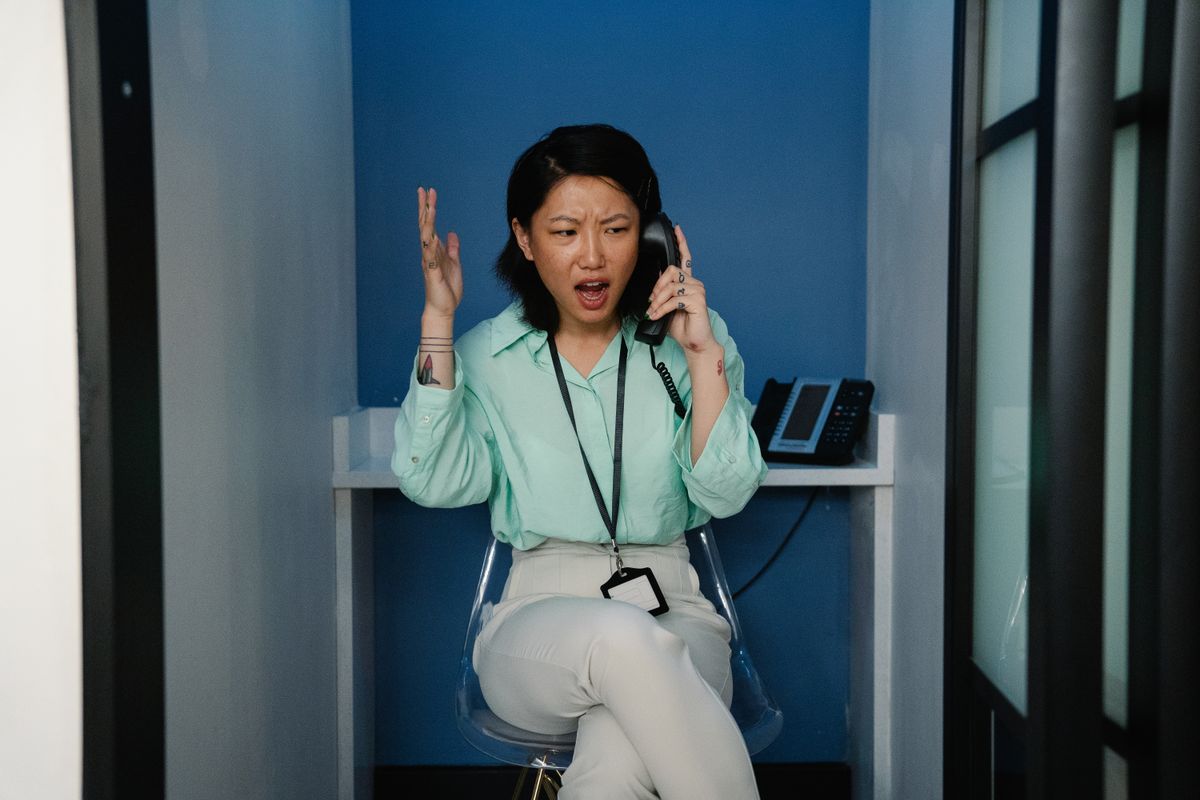
How Long Will Patients Wait on Hold Before Hanging Up?
Shorter than you think. Call your own office, ask to be put on hold, and start a timer. Around ninety seconds, you will want to hang up, and so do your future patients. The data is brutal: roughly 60 percent of patients abandon a call after about 90 seconds on hold, about 34 percent are gone by two minutes, and by five minutes two out of three have hung up (Dialog Health). Meanwhile some healthcare facilities average 4.4 minutes of hold time, nearly three times longer than patients will tolerate (NotifyMD). And the hang up is not a pause: 60 to 70 percent who reach voicemail leave no message, and about 85 percent never call back. Inside: the real patience timeline second by second, where the long holds happen (the lunch hour is the worst), what a missed call actually costs, a healthy abandonment rate (under 5 percent), and how online booking, texting, and an AI receptionist that answers on the first ring plug the leak. Cited and jargon free.
Read the article →
What Is a Good Google Ads Quality Score for a Medical Practice?
A physical therapy owner sent us a screenshot with one line: "Am I doing something wrong?" Two of his keywords sat at a Quality Score of 3, and he was paying more than the clinic down the road for a worse spot on the exact same search. His instinct was to bid higher. The fix was the opposite. Quality Score is the number buried in your Google Ads account that decides what you pay per click, it runs from 1 to 10, and most owners have never looked at it. Inside: what counts as a good score (7 to 10, and 8 plus on your best keywords); how a score of 10 can cost roughly half of what a 5 costs for the same click (WordStream); the three levers that move it (expected click through rate, ad relevance, landing page experience); why this bites harder in expensive healthcare auctions; and the one leak a perfect score will never fix, your front desk. Honest, cited, no jargon.
Read the article →
Do Patients Click Google Ads or Organic Results?
A practice owner asked us this half hoping for permission to stop worrying about SEO: "If I can just buy the top spot with an ad, why do I need to rank underneath it?" The catch is that most patients do not click the top spot. Study after study finds the majority skip the paid ads and go to the free listings and the map pack below, with one widely cited figure near 70 to 80 percent. In consumer surveys only about 5 percent of people say they trust paid ads more than organic, while close to half trust organic more. But here is the honest twist most agencies skip: paid click share is climbing fast, roughly doubling in some categories from January 2025 to January 2026 (Search Engine Land), while AI Overviews pull clicks off both. Inside: where patients really click and why, the ad blindness and trust forces behind it, why it was never ads versus SEO, and how a practice wins by owning the whole top of the page at once, the ad, the map pack, and the organic listing. Cited and practical.
Read the article →Do Old Google Reviews Still Count?
You have 180 five star reviews and a rating any practice would envy. Then you notice the newest one is from 2023. Here is the part nobody tells you: patients and Google both read that profile very differently than you do. About 74 percent of consumers only look at reviews from the last three months, 32 percent want them from the last two weeks, and 83 percent say reviews must be recent and relevant to matter at all (BrightLocal 2026). Google has moved the same way: Whitespark now ranks review recency among the top five local ranking factors, up from around 20th two years ago, because review velocity beats review totals. So a wall of old five stars slowly stops working, telling patients the good stuff is in the past and telling Google you may have slowed down, while a newer competitor collecting fresh reviews passes you with a lower total. Inside: what recent really means to patients now, why Google rewards a steady drip, why you should never delete old reviews, and the simple habit that keeps new ones arriving every month. Cited and practical.
Read the article →
Why Patients Search Symptoms, Not Doctors
A woman with numb, tingling hands did not search for a neurologist. She did not know that was the right doctor. She typed "why do my hands go numb at night," read for twenty minutes, learned the phrase carpal tunnel, then searched that, and only then looked for someone to treat it. Three searches happened before she ever looked for a provider, and the clinic that could have met her at search one had no page about it. That is how almost everyone finds care now. About 1 in 3 adults always search their symptoms first, and 77% use a search engine before booking (ZealousWeb, 2025). Google says roughly 1% of all searches are symptom related, which is millions a day. Inside: why "we offer these services" is invisible to searchers; why AI Overviews, now on nearly half of health searches (BrightEdge), make symptom content more important, not less; whether self diagnosers still book; and how to be the calm, clear answer patients find at 2am. Cited data, honest opinion.
Read the article →
Why ChatGPT Favors Hospitals Over Independent Practices
A patient opens ChatGPT and asks for a good dermatologist in their city. It names the big hospital across town, not the excellent independent practice two blocks away. A recent Medical Economics piece put a name to it: AI favors the big guys. But the reason is not what most owners assume, and it is not permanent. Inside: why AI leans toward the loudest name online instead of the best doctor (more pages, more listings, more reviews the model has absorbed); what this costs a practice that never sees the loss; why specific, local searches are where a focused independent clinic can actually beat a giant; the honest foundations that get you named by ChatGPT, Google AI Overviews and Perplexity at once; and how to catch the high intent patient the AI sends you. About 1 in 8 adults have already used AI to look up health info (KFF). Cited data, honest take.
Read the article →
Should Your Medical Practice Use Website Popups?
A med spa put a coupon popup on her homepage that filled the whole phone screen the second it loaded. Her mobile bookings quietly dropped and she could not figure out why. The answer: a stranger searching at 9pm got a discount shoved in their face before they saw who she even was, so most tapped back to Google. That is the whole story of popups in two sentences. The same box that catches a patient about to leave can be the reason they leave. Inside: what the data really says (average popups convert 2 to 5 percent, the best push past 10), the two ways popups blow up in healthcare, the 2017 Google mobile penalty most owners have never heard of, the exit intent and scroll triggers that are safe and actually work, a plain word on HIPAA, and how a popup fits the rest of your site. Cited data, honest opinion.
Read the article →
Should Your Medical Practice Use a Patient Waitlist?
Two things are usually true at once: new patients are waiting weeks to get in, and chairs are sitting empty this afternoon because someone cancelled at the last minute. New patient waits in major metros now average 31 days (AMN Healthcare, 2025), while a cancelled 2pm can go cold by 2:05pm. A patient waitlist is the bridge. Inside: what a waitlist really is, when it is worth it and when it is not, why speed is the whole game (good programs fill 70%+ of openings, most under 30 minutes), the simple rules that keep it from feeling like spam, why most waitlists die on a sticky note, and how to run one automatically so a cancelled slot becomes a patient seen sooner instead of lost money. Real numbers, honest take.
Read the article →
Is It a Marketing Problem or a Front Desk Problem?
When a practice stops growing, almost every owner reaches for the same fix: more ads. But slow growth comes from one of two very different places, and spending on the wrong one is how good money disappears. A dermatology practice came to us sure they needed a bigger budget, until we listened to a week of their calls and heard nearly a third go to voicemail. Inside: the five minute self diagnosis that tells you which problem you really have; why the front desk is the leak almost nobody checks (studies find 23 to 42 percent of practice calls go unanswered, and 67 percent of patients just call a competitor); the two conversion steps that quietly drain the demand you already paid for; and why fixing the leak beats buying more water almost every time. Cited data, honest take.
Read the article →
How to Market a Psychiatry Practice When Demand Is Huge but Growth Is Not Automatic
The need for psychiatry has never been more obvious. About 137 million Americans, roughly 40 percent of the country, live in a federally designated mental health shortage area (HRSA), and psychiatrists are scarce almost everywhere. So why do so many practices still have gaps in the week, no-shows above 20 percent, and a patient mix they never chose? Because demand and growth are not the same thing. In this field the real problem is not creating demand, it is routing it: being found the moment someone decides to get help, giving nervous patients a private website they can book from without a phone call, and cutting the highest no-show rate in medicine with real systems instead of scolding. Inside: why psychiatry marketing is about routing not generating, the search moment that decides everything, the website that does emotional work, HIPAA safe social that reduces stigma, why telehealth is now 44 percent of behavioral health visits, and how to fill the right slots with patients who show up and stay. Cited to HRSA, Psychiatric Services and the University of Michigan.
Read the article →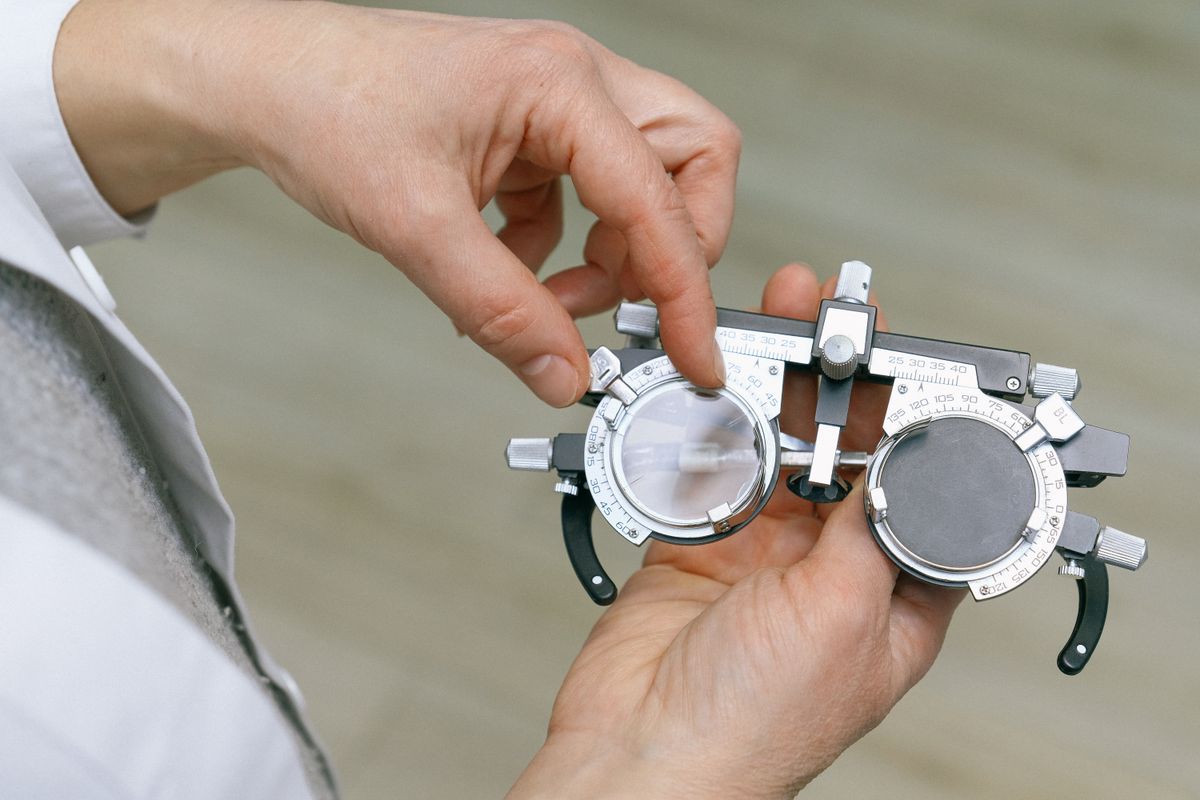
How to Market a LASIK Clinic
A refractive surgeon told us his most common new patient line is "I've been thinking about this for like eight years." They wanted better vision the whole time. They just never booked. That gap between wanting it and doing it is the entire marketing game for a LASIK clinic. LASIK has a 96% satisfaction rate, among the highest of any elective procedure (American Refractive Surgery Council; FDA PROWL trials), yet most who want it wait years to commit. Inside: why fear, not the clinic across town, is your real competitor; why a $4,000 to $5,000 out of pocket price stalls people until they see the monthly number; why a single ad cannot cover a buying cycle that runs months to years; the reviews, patient story videos and retargeting that dissolve the fear; why the consult, not the click, is the real finish line; and why a happy LASIK patient never comes back, so the funnel has to stay full on its own. Cited data, honest opinion.
Read the article →
How to Market a Bariatric Surgery Practice When GLP-1 Drugs Are Taking Patients
Your surgical schedule feels thinner, and it is not your imagination. A study of nearly 32 million eligible adults (Epic Cosmos, via Mass General Brigham) found bariatric surgery rates fell about 46 percent from late 2022 to mid 2025, while GLP-1 use climbed to roughly 24 percent of eligible patients. Total procedures dropped below 200,000 in 2024 for the first time since 2020. But the patients did not vanish, they changed how they start. Inside: why fighting the drug loses and owning the whole journey wins; how to capture patients at the medication stage and convert them to surgery when the time is right; the GLP-1 versus surgery searches happening on Google and ChatGPT right now that most bariatric sites ignore; a website that turns nervous researchers into booked consults; paid ads measured against completed cases, not clicks; and why a single missed call can be a five figure loss. Cited data, honest take.
Read the article →
How Many Google Reviews Per Month Does a Medical Practice Need?
A dermatologist with 312 reviews watched a med spa with barely 90 slide above her in the map pack. How? Everyone chases a big total, but the number that actually keeps you ranking is smaller and sneakier: how many fresh reviews land each month. Reviews go stale fast. Ranking pull is strongest under 30 days and fades by six months, and 26 percent of consumers only read reviews from the past month (BrightLocal). Inside: the realistic monthly pace by market (roughly 4 to 8 for most practices); the 90 day head to head test that predicts who Google trusts today; why velocity beats a giant stale pile; the burst that gets you penalized; and how to hit the pace every month without breaking HIPAA. Cited data, honest take.
Read the article →
How Long Should Medical Practice Videos Be?
A dermatologist pushed back the first time we asked her to make videos: no time for a whole production. That was never the ask. Her best performing clip was 22 seconds of her answering one question on a phone, no studio, no script. That is the whole lesson on length. The data is clear: Reels win around 20 to 34 seconds, TikTok can stretch to 45, and the average YouTube Short is watched for only about 14 seconds (Kapwing, 2026). But length is not really the point. Facebook research found 65% of people who watch your first 3 seconds keep going, and 45% reach 30 seconds, so the opening decides everything. Inside: the right length per platform; why the first 3 seconds beat total runtime; why 85% watch on mute so captions are not optional; when longer videos belong on your website instead; one video, one question; and why consistency beats production value. Cited data, honest opinion.
Read the article →
Is Healthgrades Worth It for Medical Practices?
A family medicine doctor forwarded us an email with one line: "Should I be paying for this?" It was the third message that quarter from Healthgrades, warning that competitors were showing on her profile and an upgrade would fix it. She had never even claimed her listing. If you run a practice, you have gotten the same email. Here is the honest split most owners miss: whether Healthgrades deserves your money is a different question from whether it deserves your attention, and the answers are not the same. Inside: why more than half of Americans who see a doctor pass through it, why the free profile is worth twenty minutes this week, why the paid upgrade usually is not, how to handle reviews without risking HIPAA, and why Google still beats it for actually getting patients. Cited data, honest opinion.
Read the article →
Is a Medical Practice Newsletter Worth It?
A dermatology office had 4,000 patient emails sitting unused in their system and asked us the obvious question: is a newsletter even worth setting up, or is that old school? The honest answer surprised them. Email still returns about $36 for every $1 spent, healthcare open rates average near 37 percent, and unlike your Instagram followers, your email list is the one audience you actually own. No algorithm can take it away. The catch: most practice newsletters flop because they are written for the practice ("we got a new machine") instead of for the patient. Inside: the real numbers, why owning your list beats renting reach, the 90/10 rule for a newsletter people open on purpose, how often to send and what to put in it, a plain word on HIPAA and CAN SPAM, and where the emails actually come from (hint: you already have most of them). Cited data, honest opinion.
Read the article →
How to Market an Allergy Clinic
One allergist described her year in two words: flood and drought. March through fall the phone barely stops, then the first frost hits and the schedule goes quiet enough to worry about payroll. Most allergy clinics live on this seesaw. Here is the way off it. About 1 in 4 US adults has a seasonal allergy (CDC), yet most suffer through the drugstore aisle for years and never see a specialist, which is the whole opportunity. Inside: why the antihistamine aisle, not the clinic across town, is your real competitor; the trap of leaning on referrals; timing ads to the pollen instead of the panic (ragweed starts mid August, and seasons run about 20 days longer than in 1990, per PNAS); turning silent sufferers into patients with content; and the immunotherapy retention math that changes how much you can spend to win a patient. Cited data, honest opinion.
Read the article →
How to Use Flu Season to Grow Your Medical Practice
Every August a practice owner asks us the same thing: "Should we even bother with flu shots? We barely make anything on them." Wrong question. Nobody grows a practice on the vaccine fee. You grow it on who walks in to get the shot, and on the overdue physical, the lapsed refill and the screening that surface the second they are in your chair. Flu season is the one time of year a totally healthy person decides on their own that they need a visit. The only question is whether they come to you, the pharmacy counter, or nobody. Inside: the real numbers (only about 42% of US adults got a flu shot last season, and just 31% of adults under 50), why a thin margin shot is a high value visit, a simple playbook to reactivate your own patients and fill the fall schedule, and the front desk mistake that wastes the whole season. Cited CDC data, honest opinion.
Read the article →
Do Patients Check Your Social Media Before Booking?
A dermatologist almost quit posting: "Nobody comments, it feels like shouting into the void." Then she remembered where her last few new patients looked before booking. Her Instagram. That is the part owners miss. For most practices, social media is not a stage, it is a reference page. Patients already found you on Google, and now they take one last thirty second look before they call, running three silent tests: is this page alive, are there real humans here, and do they answer what I actually want to know. Inside: the real data (35% of patients say they picked a doctor based on social media, per a 2025 rater8 survey of 1,000+ adults), why an abandoned page is worse than none, why followers are the wrong scoreboard, and how to turn that final glance into a booked appointment. Cited data, honest opinion.
Read the article →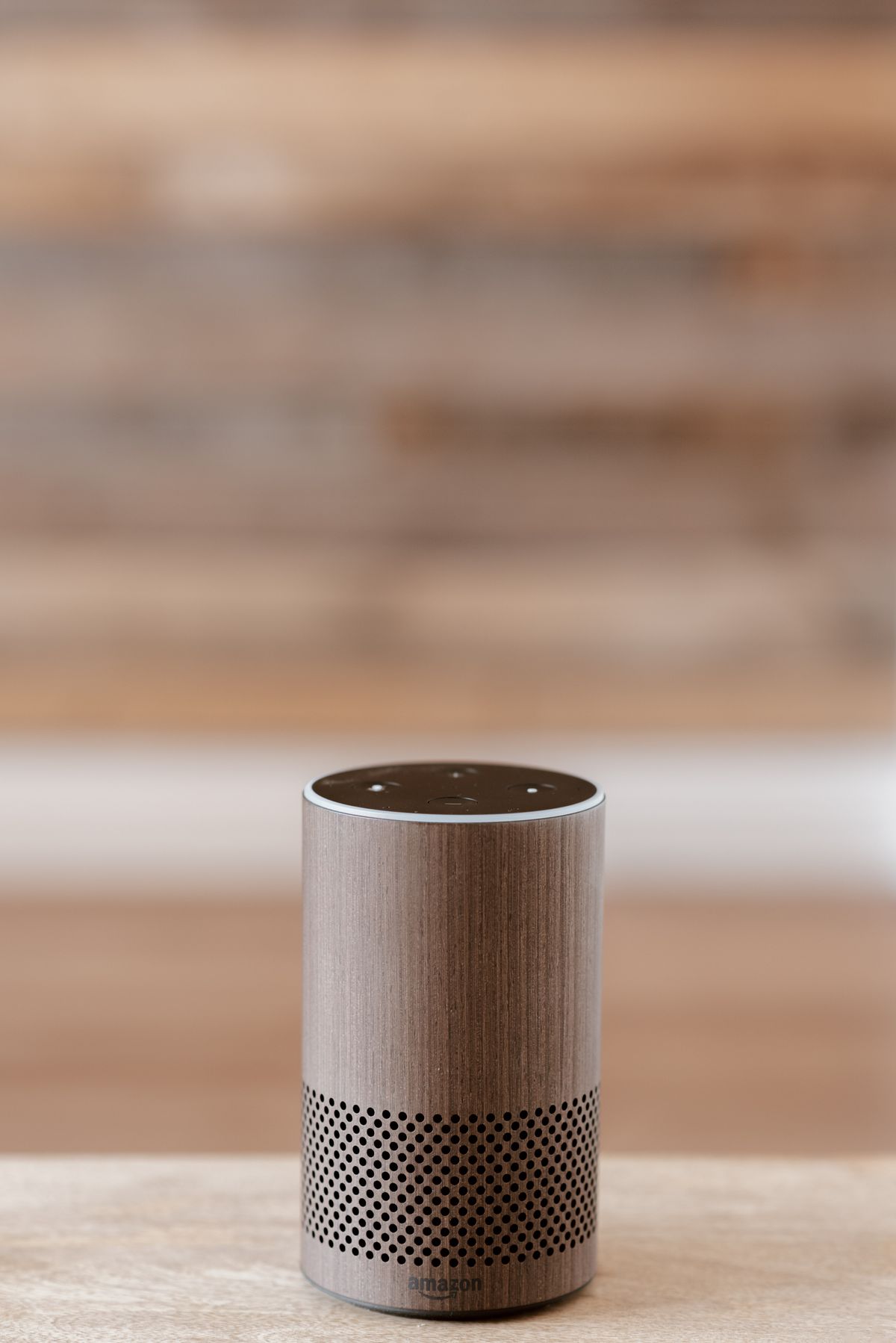
Can Patients Find Your Practice With Voice Search?
A mom in her kitchen at 7am, both hands full, just says it out loud: "hey Google, find a pediatrician near me that is open today." Three seconds later a voice reads back one practice and asks if she wants to call. She never saw a list. She never compared five options. The machine picked a winner and she trusted it. So the real question is not whether voice search is a big trend or a small one. It is sharper than that: when someone near you asks out loud, does the assistant say your name or the practice down the street? Inside: the real numbers past the hype (about a third of US homes own a smart speaker, and most owners voice search for local businesses), why a spoken answer names one place instead of ten, exactly how Siri, Alexa and Google decide who wins, why your Google profile and reviews do the heavy lifting, and why the same work also wins Google Maps and AI answers. Cited data, honest opinion.
Read the article →
What Is the Best Time to Run Google Ads for a Medical Practice?
A chiropractor opened his ad report at the hour level and found it: a steady trickle of clicks between midnight and 5am, night after night, each one costing money, none ever booking. He had been paying to advertise back pain relief to people who could not sleep for months. "When should my ads run" sounds like a small settings question. It is one of the quietest ways a practice leaks budget. Inside: when patients actually search and call (appointment demand peaks around 2pm, per Zocdoc, and runs heavy Monday to Thursday), why running flat 24/7 wastes money two different ways, why "just turn ads off at night" is usually the wrong fix and hands your most motivated buyers to a competitor, and the five step way to schedule ads around your own conversion data instead of a generic chart. Cited data, honest opinion.
Read the article →
What Star Rating Does a Medical Practice Need on Google?
Most owners chase a perfect 5.0. The data says that is the wrong target on both ends. About 75 percent of patients will not book a provider rated under 4.0 stars, per the rater8 2026 Patient Choice Report, so four stars is a hard gate most people never open. But a flawless 5.0 can repel patients too: the Spiegel Research Center at Northwestern found buying behavior peaks between roughly 4.2 and 4.7 stars, then drops as ratings approach 5.0, because a perfect score reads as too good to be true. Inside: why four stars is the cutoff patients apply before they read a word, the surprising ceiling where higher stops being better, the real target range of 4.5 to 4.8 and why volume makes it believable, how your review replies shape trust, and the HIPAA safe way to raise a sagging rating fast. Cited data, honest opinion.
Read the article →
What Makes a Good Medical Practice Ad?
A dermatology group sent us a beautiful ad and asked why it flopped. Studio lighting, a flawless stock model, the logo dead center. It was not disliked. It was invisible. Here is the thing nobody tells practice owners: your enemy is not a competitor's ad, it is the scroll. Nielsen research for Facebook found that up to 47 percent of a campaign's value lands in the first three seconds, and about 74 percent within ten, yet most practice ads spend those seconds on a logo. Inside: what actually stops the thumb (a real face beats a stock model every time), the Meta rule that quietly rejects healthcare ads because the word "you" implies you know a person's condition, why before and after split screens keep getting blocked and what to show instead, and why one ad should make one promise to one person and ask for one action. Cited data, honest opinion, and the fix that costs nothing but a better first second.
Read the article →
Why Did My New Patient Numbers Suddenly Drop?
One month the schedule is full, the next it has holes you cannot explain. Before you panic or blame the whole market, know this: a sudden drop almost always has one findable cause. Since about 77 percent of patients start their search on Google and the local map pack takes roughly 42 percent of local clicks, one broken link can gut your new patient flow while the care, staff, and reviews stay exactly the same. Inside: how to tell panic from a normal seasonal dip, the in order checklist we run when new patients fall off a cliff (Google Business Profile, website and booking form, ads, reviews, a new competitor), the one hour version for when you have no time, the tracking blind spot that turns a fifteen minute fix into a month of guessing, and the after hours drop that never shows up as an error. A calm, cited playbook for finding the leak fast.
Read the article →