
How to Market a Vein Clinic
A vein clinic has one of the strangest problems in healthcare: the demand is everywhere and almost nobody acts on it. Roughly 1 in 3 adults have varicose veins and up to 40 percent have chronic venous insufficiency, per Cleveland Clinic, yet most blame the aching, heavy legs on age and assume treatment is a cosmetic luxury they cannot justify. They are wrong on both counts, and that gap is your entire schedule. Inside: the one belief that costs vein clinics more patients than anything (that it is just cosmetic and not covered), how to win the map pack for vein clinic near me, why before and after photos and clear insurance info carry the site, the free vein screening offer that matches exactly where the patient is, why the phone leaks people at the moment they finally decided to deal with their legs, and how to layer ads on top only once the foundation actually works.
Read the article →
How to Market a Concierge Medicine Practice
A physician called us months after going concierge, thrilled with the medicine and stuck with a half empty panel. Great care, empty chairs. He assumed word would spread on its own. It had not. That is the hidden trap of concierge: the model only works if enough members sign up, and you are not asking people to book a visit, you are asking them to pay a yearly fee for access. The good news is the number is finite and winnable. Inside: what you are really selling (time and access, not a procedure); the panel math that makes concierge one of the most reachable marketing problems in healthcare; why your website is the entire pitch; turning happy members into a referral engine; aiming small ad budgets precisely; and why answering the first inquiry instantly is the difference between a full panel and a year of doubt.
Read the article →
How to Create a Marketing Plan for a Medical Practice
A dentist called us frustrated. She had spent money all year and could not point to a single thing it did. There was no plan, just a boosted post from January, a Yelp ad someone signed up for, and a website her nephew built in 2019. That is how most practice marketing looks: a pile of tactics collected one at a time from whoever called that week. The good news is a real plan is short and fits on one page. Inside: why grow the practice is a wish, not a goal, and how to set one you can actually count; the patient value math almost everyone skips (and why it turns marketing from a scary cost into a simple trade); how to pick a few channels instead of trying to be everywhere; setting a budget by the goal instead of a rule of thumb; plugging the front desk leaks before you spend a dime scaling; and the single number that tells you every month whether any of it is working.
Read the article →
How to Build an Email List for Your Medical Practice
You already meet every future subscriber. They sit in your waiting room, hand over their details at the front desk, and walk out, and most practices let that address gather dust in a chart. That is a mistake, because email returns about $36 for every $1 spent, per Litmus, and it is the cheapest way there is to fill a slow week and bring past patients back. Inside: why an owned list beats rented ad reach, the CAN-SPAM and HIPAA lines you actually need to know (general content plus a clear opt in keeps you safe), the five doors that grow a list without ever buying one, what to send so people keep opening, and why too many practices chase strangers while the warmest audience they will ever have sits idle.
Read the article →
How Much Do Facebook Ads Cost for a Medical Practice?
A med spa owner spent 900 dollars boosting pretty photos and got thousands of likes. How many booked? One. A Facebook ad campaign has two costs stacked on top of each other, and most owners only ever see one. Inside: what Meta charges per click and per lead in 2026, why Facebook clicks are cheaper than Google but colder, the three ways agencies bill to run them, a realistic monthly budget, the minimum spend a real test needs, and the hidden cost that never shows up on the quote and sinks most campaigns.
Read the article →
Healthcare AI Just Got Real. Here Is What It Means for Your Practice
In one strange week, a lawsuit alleged Mayo Clinic cut corners with AI and put patient privacy at risk (MPR News), while the FDA cleared its first medical device with an AI that talks straight to patients (McGuireWoods). Two headlines pulling in opposite directions, and the same lesson underneath: AI in healthcare is no longer a whether question, it is a how question. Inside: why the Mayo story is a warning about carelessness, not about AI itself, why the FDA milestone tells you exactly where patients are heading, the vendor gold rush now flooding your inbox and the five questions that expose a junk AI tool, plus the simple rules that let a small practice use AI to win more patients without ever risking care, privacy or trust.
Read the article →
Should My Medical Practice Reply to Comments and DMs on Social Media?
A med spa owner told us she did not really "do" the messages on her Instagram. Too busy, half of them spam anyway. So we opened her inbox together and found four real people underneath the junk: one asking if she treated melasma, one asking about pricing, one wanting an opening that week, one who had messaged twice and never heard back. Four potential patients sitting unanswered for weeks, while she paid for ads to find new ones. That inbox was a leak she never knew existed. A comment or a DM is not noise, it is a warm patient raising their hand, and silence is the one answer that sends them to the next practice. Inside: how fast you really need to reply (in Emplifi's 2025 report, two thirds of people expect an answer within a day and only 2 percent will wait more than two), the simple HIPAA line that keeps public replies safe, a plug and play reply formula, and why your inbox is really a second front desk that should route straight to your booking calendar.
Read the article →
Is Your Medical Practice Website Mobile Friendly?
Here is a 60 second test: open your own website on your phone, turn off the wifi, and try to book like a brand new patient. If you catch yourself pinching, zooming, and hunting for the phone number, that is exactly what your patients feel right before they give up and call the office down the street. Around 63 percent of Google searches happen on a phone, and since July 2024 Google ranks you based on the mobile version of your site, not the pretty desktop one you built it on. So the real question is not "does it look good on my front desk monitor." It is "can a patient in a parking lot, on cell data, read it and book in ten seconds." Inside: what mobile friendly actually means, the fast test any owner can run, why the old Google Mobile Friendly Test is gone but the rules are not, the five things that usually break on a phone, why you do not need a separate mobile site, and why a fast tappable site plus a phone that always gets answered are two halves of the same job.
Read the article →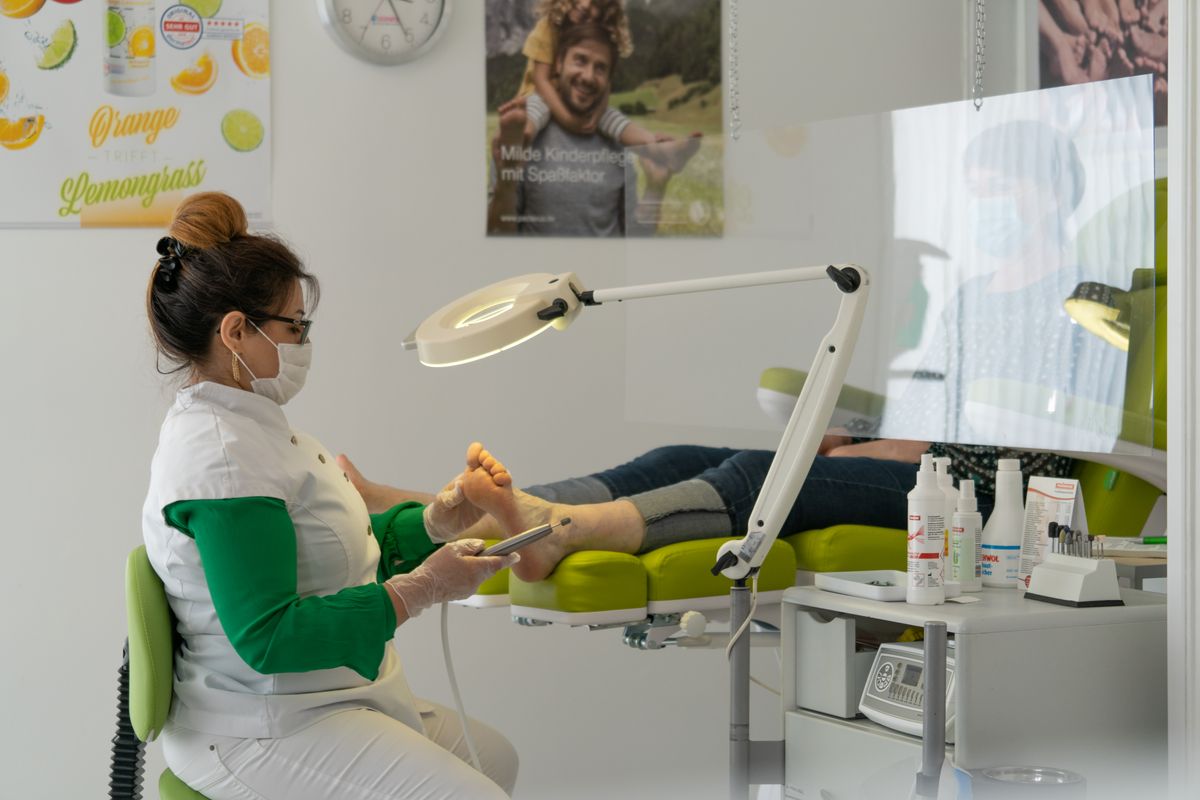
How to Market a Podiatry Practice
In a national survey, 77 percent of Americans said they had experienced foot pain, yet only about a third would ever see a podiatrist about it. That gap is your whole schedule. Most people assume aching feet are just something you live with, so they limp along and never call. Add 38 million Americans with diabetes, whose foot care is medically necessary and recurring, and the demand is enormous. Inside: how to win the map pack for podiatrist near me, why a page for each condition (heel pain, bunions, ingrown toenails, diabetic foot care) beats one generic services list, the reviews a foot pain patient actually reads, why the phone leaks more patients here than almost anywhere because the base skews older, and how to nurture referrals from primary care and endocrinology instead of just waiting for them.
Read the article →
Pain Management Marketing: How to Fill a Pain Clinic in 2026
About 1 in 4 US adults live with chronic pain, according to the CDC, and here is the part that changes everything: most of them have already been waved off by two or three doctors before they ever find you. So marketing a pain clinic is not like marketing a dental office. The patient searching tonight is tired, a little scared, and usually cynical, and your job is not to sound impressive but to look like the place that will finally believe them. Inside: why the market is enormous yet most clinics still fight over referral scraps, how to win the "pain management near me" map pack, why your reviews need to say "she actually listened" and not just five stars, the condition and treatment pages your website is probably missing, why a full voicemail box after 5pm quietly sends ready to book patients to the clinic down the road, and how an AI receptionist catches the flare up calls that come at 8pm on a Saturday. Plus the free five minute audit that shows you exactly where you are leaking.
Read the article →
How Much Does Google Ads Management Cost for a Medical Practice?
A physical therapy owner told us he spent 2,000 a month on Google Ads and got almost nothing back. When we looked, only 1,400 of it ever reached Google. The rest was a management fee he never knew was buried in the number. That is the trap: every ad budget hides two separate bills, and most quotes blur them together on purpose. Inside: the two bills you have to split apart (ad spend versus the management fee), the three ways agencies charge in 2026 (a flat retainer, 10 to 20 percent of spend, or 75 to 200 an hour), what healthcare clicks really cost by specialty (dental 4 to 12, dermatology 8 to 18, orthopedics past 25), a realistic monthly budget added up line by line, and the hidden cost that sinks most practices, a slow landing page that eats the click you just paid for. Plus why physicians average a 57 dollar cost per lead when the page and follow up are actually ready.
Read the article →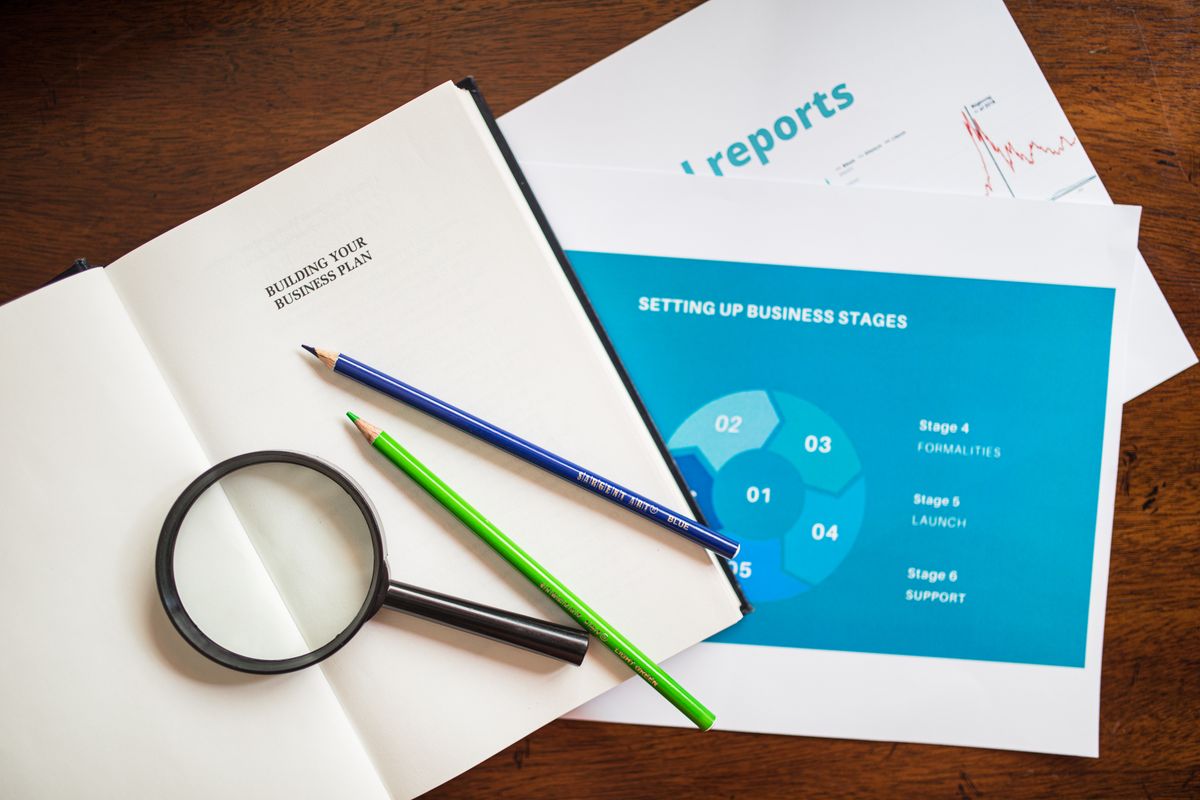
Does Your Medical Practice Need a Marketing Funnel?
A dermatologist told us she did not believe in funnels. Too corporate. So we asked what a patient actually does before booking: googles it, reads reviews, checks insurance, looks at the site, then calls. That is the funnel, and she cannot opt out of it. Every practice already has one whether they planned it or not. The only question worth asking is whether it leaks, and where. Inside: the five stages a patient moves through from stranger to booked, why the biggest, most expensive leaks are almost always at the bottom right next to the money (calls that ring out, forms nobody answers, inquiries that wait three days), and why pouring more ad spend into a leaky funnel just makes a bigger, pricier mess. The fix is to walk your own patient path, plug the bottom first, then widen the top, usually cheaper than owners expect.
Read the article →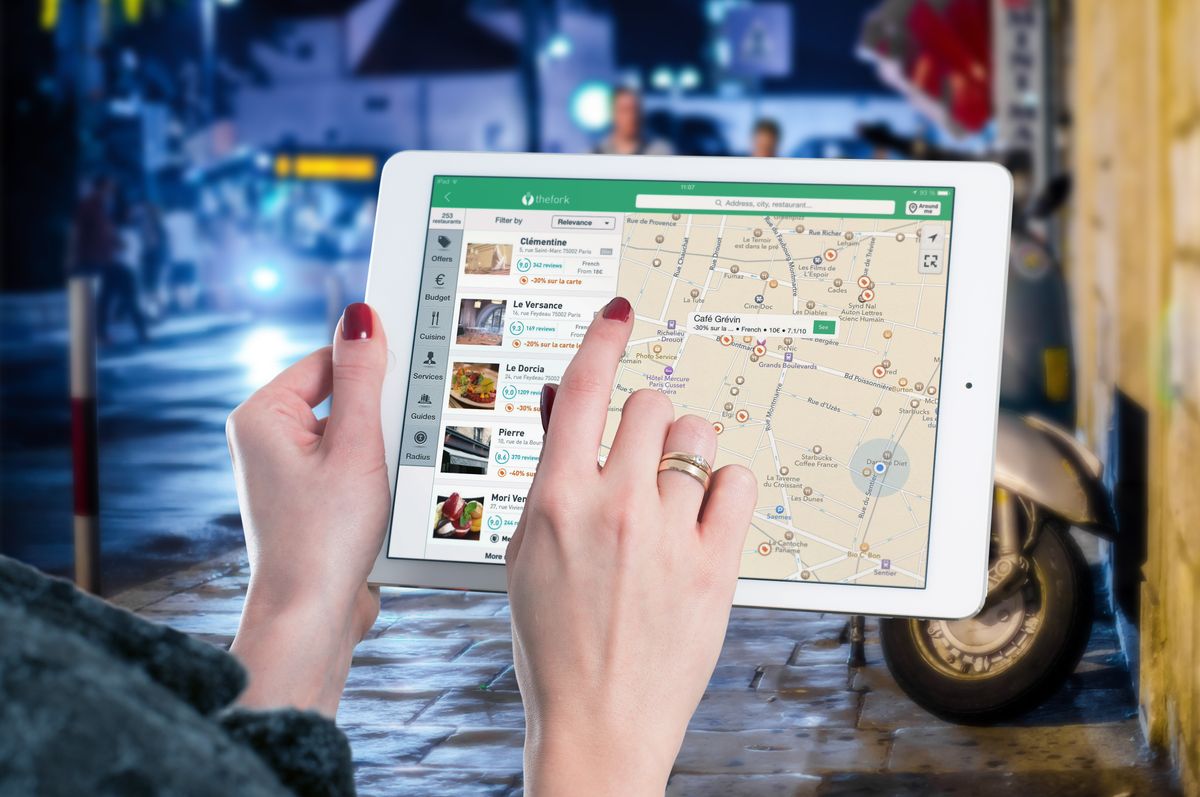
Does Geofencing Advertising Work for Medical Practices?
A med spa owner called us thrilled about a pitch: draw a virtual fence around the big hospital and the fancy gym, and beam her Botox ads to every phone inside. It sounded like a cheat code. In the way it was described, it was a fast route to a legal problem. Geofencing is real and it does work, but it is oversold, easy to waste money on, and in healthcare it carries a rule most owners have never heard of. Inside: what geofencing actually is and how it differs from geotargeting and geoconquesting, the places it genuinely helps a practice (local events, big employers, your own neighborhoods, new movers), and the one line you cannot cross, because in 2017 a firm that geofenced health clinics to target the people inside them got shut down by a state attorney general. Plus why search still deserves your first dollar, the accuracy problems nobody mentions, and the three questions to ask before you buy any geofencing at all.
Read the article →
Do Patients Prefer to Book Online or Call?
Ask patients straight up and the phone still wins: in a Phreesia survey of nearly 14,000 people, 65 percent said they preferred to schedule by phone and only 18 percent online. Case closed? Not even close. An Accenture poll found 64 percent would book online if the option existed, and 43 percent of self scheduled appointments happen after business hours, at night and on weekends when your phone is off. So patients are not really choosing online or phone. They are choosing whichever door is open the second they decide to book, and too many practices leave one of them locked. Inside: why stated preference and real behavior split so hard, why a dermatology office sure their older patients would "never book online" started filling 9pm slots within two weeks, why online booking takes under a minute versus 8 on the phone, and why the fix is not picking a side but keeping both doors open and answered, with an AI receptionist covering the phone your front desk cannot.
Read the article →
Patients Are Getting Their Answers Without Clicking Your Website
A dermatology office called us in a panic because their website traffic was down for the quarter. So we pulled the real numbers: new patient calls were up, booked visits were up, and the only thing that dropped was people landing on the homepage. Patients were finding them, deciding, and calling, all without ever opening the site. That is zero click search, and if you measure your marketing by website visits alone, you are watching the wrong scoreboard. Nearly 60 percent of US Google searches now end with no click at all, per Semrush. But here is the nuance that matters for a doctor: as of late 2025, Google was mostly not putting AI Overviews on doctor near me searches, so those still go to the map pack, where a strong Google Business Profile wins the patient on the spot. Inside: the split between health questions (answered by AI) and provider searches (still the map pack), why your Google profile is doing your homepage's old job, why the website still matters just differently, and the exact moves to get picked whether or not anyone clicks.
Read the article →
What Is a Good Patient Retention Rate for a Medical Practice?
A family practice owner in Ohio was adding forty new patients a month and his schedule barely moved. He blamed the ads. Then we pulled a different report: how many of last year's patients never came back. He was losing them out the back almost as fast as he poured them in the front, and he had never once measured it. That is the trouble with retention. New patients are exciting and easy to count. Retention is invisible until you feel it in the schedule, and by then you have lost a year. So here is a real benchmark: most practices that see patients regularly should keep 80 percent or more year over year, and the best push past 85. Slip under 70 and something fixable is usually wrong. Inside: the simple formula to find your own number this afternoon, why keeping a patient is 5 to 25 times cheaper than winning one, the real reasons patients leave (almost none of them clinical), and the boring front desk fixes that move the number. Plus our honest take: no ad budget on earth outruns a bad retention rate, and the cheapest growth you will ever get is the patient who was already yours.
Read the article →
What Is a Good Lead to Patient Conversion Rate for a Medical Practice?
A med spa owner was sure her ads were broken. Plenty of form fills, plenty of calls, and the schedule still had gaps. So we asked one simple question: out of every ten people who reach out, how many actually book? She had no idea. We pieced it together from her call log and inbox, and the answer was under two in ten. Her ads were fine. The leads were showing up and falling into a gap between the inquiry and the appointment, with nobody catching them. This is the most expensive number almost no practice tracks. You will debate cost per click all day, but the moment a real human raises their hand, the measuring stops. That is backwards, because it is the cheapest place to grow: you already paid to get them interested. Inside: a real benchmark (most practices should book 30 to 40 percent of genuine inquiries, the best clear 50, and many sit under 20 without knowing), the two minute formula to find your own, why speed of response is the whole ballgame, the same handful of leaks we find every time, and our honest take on why doubling your ad budget to fix a bad conversion rate is the most expensive mistake in healthcare marketing.
Read the article →
What Is a Good Call Answer Rate for a Medical Practice?
A dermatologist with fresh ads and a new website still had gaps in her schedule, and could not figure out why. We put a tracker on her phone line for two weeks: the office was missing about a third of its calls, and almost nobody left a voicemail. She was paying to make the phone ring and then letting it ring out. She is not the exception, she is the average. Studies of real practice lines find offices answer only 58 to 66 percent of calls during business hours, so one in three patients never reaches a human. And those callers do not wait: about 62 percent hang up without leaving a message and roughly 67 percent call a competitor instead. Inside: the honest benchmark (a good answer rate is 90 percent or higher, abandonment under 5 percent), what each missed call really costs, the exact hours you lose the most calls (lunch and after hours), why the phone is still the front door when 67 percent of patients still prefer to call, and how online booking, texting, and an AI receptionist get you from 65 percent answered to 95 percent.
Read the article →
How to Let Patients Book Appointments Directly From Google
A med spa owner swore her Google listing was great. Good reviews, nice photos, showing up for the right searches. So why were new patients still slow? We asked her to book an appointment on her own phone, like a stranger would. She got as far as a phone number and a Call button, at nine at night, with the office closed. Every ready to book patient had one dead end option, and a lot of them were booking the office next door instead. This is one of the most overlooked leaks in healthcare. Health is one of the most common things people search for, roughly one in twenty of all searches, and a huge share of it happens after hours on a phone. In that exact moment your Google Business Profile is the storefront, and for most practices the door is locked with a call during business hours sign. Inside: how patients can book straight from Google with a Book button on your profile, the two ways to turn it on, why roughly two thirds of patients prefer providers that let them book online, the booking flow mistake that kills the whole thing, and how missed calls finish off the patients the button does not catch. Plus our honest take: the most expensive patient to earn is the one who was already sold and could not get in.
Read the article →
How Much Does It Cost to Acquire a New Patient?
A physical therapy owner asked us a question like a confession: "Is it normal to spend 300 dollars to get one new patient?" Seeing the number on an invoice made his stomach drop. So we asked him one thing back. What is a patient worth to you over the year they stick around? He did the math out loud, got quiet, and landed on about 2,100 dollars. His 300 dollar patient was one of the best deals in his whole business. He just never had the second number to see it. That is the trap with patient acquisition cost: owners see the price and flinch, with no context to tell them if it is cheap or expensive. Inside: what a new patient actually costs by channel (referrals close to free, local search cheap once it ranks, paid ads often 150 to 600 depending on specialty and market), the two minute formula to find your own number, why paid patients cost far more than paid leads, the one comparison that decides whether you are overpaying, and our honest take that most practices are not overpaying for patients, they are underconverting the ones they already pay for.
Read the article →
How Far Will Patients Travel to See a Doctor?
A dermatologist with 20 years and a wall of five star reviews wanted to run ads across three counties. We mapped her actual patients first: almost 9 in 10 lived within 15 minutes of the office. She was about to spend real money reaching families 40 minutes away who would never make that drive for a skin check. That is the trap with patient travel distance. Owners imagine their reach is bigger than it is, while patients draw a small circle around home and pick from whoever is inside it. Inside: the real data (median primary care trip near 13 minutes, 62 percent of patients name a convenient location as a top reason they chose their doctor), the three things that stretch or shrink that circle, why your ads should target a radius and not a whole city, how winning the Google map pack beats a flashy campaign, the telehealth angle for patients who live too far, and our honest take that a small circle you fully own beats a huge one you barely touch.
Read the article →
Do Hashtags Work for Medical Practices?
A dermatology office pasted the same 30 hashtags on every post for three years. The result: 1,100 followers, mostly other skincare accounts, and zero patients who found them that way. So do hashtags even work anymore? Not the way you were told. In 2024 Adam Mosseri, the head of Instagram, said flat out that adding hashtags does not increase reach, and Instagram then retired the ability to follow a hashtag at all. The tag went from a discovery engine to a filing label. Inside: what actually replaced hashtags (the platforms now read your captions, audio and on screen text to decide who sees a post), why three to five local tags beat a wall of 30, why tagging your location matters more than any hashtag, and where a practice should really spend its social time to turn views into booked appointments.
Read the article →
What a New Study Found When AI Started Answering the Phones
Picture a specialty front desk on a Monday. Two lines ringing, a patient at the window, a fax coming through. Something has to give, and it is almost always the phone. The caller hits voicemail, hangs up, and dials the next practice on the list. Nobody did anything wrong. There were just more calls than hands. A 2026 study in the peer reviewed journal Cureus set out to fix exactly that: it put AI in charge of a high volume neurology practice's call center and measured the impact on access, efficiency, revenue growth and cost containment. The result across all four was the same direction, up on access and revenue, down on cost, because on a phone line, saving the call and saving the money are the same act. Inside: what the study actually looked at, the quiet phone leak that costs most practices more than their whole ad budget, why the headline about robots replacing your front desk is the wrong story (recent Medical Economics reporting agrees), where AI belongs on your line and where it does not, why the smaller your practice the more this matters, and how we put a receptionist that answers and books every call, day or night, onto your line without replacing the people your patients love.
Read the article →
What Makes Patients Trust Your Medical Practice Website
A stranger lands on your website at 9pm, ready to book, a little nervous, and decides in a few seconds whether you feel safe. Most of that decision happens before they read a word. A dermatologist called us because her site had traffic but nobody was booking. So we opened it on a phone at night, the way a real patient would: nine seconds to load, a stock model in a lab coat who clearly was not her, no reviews anywhere, and a browser warning that the site was not secure. She has excellent outcomes. A nervous stranger never saw that, they saw a page that did not feel safe and picked someone else. Stanford web credibility research found about three in four people judge a company's trustworthiness on how its website looks and feels, and healthcare carries more fear than almost any other search. Inside: the seven signals that actually earn trust, fast load on a phone, a current and clean design, real photos of your actual team instead of stock, reviews and proof up top, a warm doctor bio with real credentials, a secure HTTPS connection, and an obvious way to reach a human. Plus the trust killers that undo everything, and a ten minute checklist you can run on your own site today. Our honest take: pretty is not the point, safe is, and a patient at 9pm just wants to know it is okay to hand you their health.
Read the article →