
AI Is Reshaping Med Spa Patient Acquisition. Here Is Where It Actually Helps
A story making the rounds this week says AI tools are changing how med spas get new clients. It is true, but not the way the headlines suggest, and reading it wrong is how owners waste money. The aesthetics market is booming and brutal at once: worth about 24 billion dollars in 2025, growing near 16 percent a year, with 8,000 to 12,000 med spas in the US and roughly a thousand new ones opening every year. The buyer changed too, now about 40 years old on average versus 47 in 2018, and that client finds you at 9pm on their phone and expects to book right then. Here is the part that stings: most med spas do not have a traffic problem, they have a response problem. Up to 30 percent of inbound leads to smaller med spas go unanswered because staff are with clients, and even three missed calls a day can cost more than 130,000 dollars a year. Inside: exactly where AI earns its keep (answering leads in seconds, following up without burning out your front desk, cutting no shows), where it is pure noise (it will not fix a slow site or fake trust in a business where people let you put a needle in their face), and the order that actually works, foundation first, then get found, then automate. Our honest take: AI is a fantastic employee and a terrible strategy. Bolt it onto a real system and it turns bookings you were already losing into revenue.
Read the article →
Should You Reply to Positive Patient Reviews? Yes, and Here Is the HIPAA Trap
A happy patient just left you a glowing five star review. Do you say thank you, or leave it alone and get back to work? Most owners skip the reply, figuring the good ones speak for themselves. The data says that is a mistake, and the fix costs nothing. In BrightLocal's Local Consumer Review Survey, 89 percent of consumers said they expect businesses to respond to reviews, positive and negative alike, and about half said they would be reluctant to use a business that only answers the bad ones. Cherry picking which reviews you reply to reads as inauthentic. Replying across the board looks human, feeds your Google ranking with fresh text, turns one happy patient into a louder one, and coaches the next person to leave a review too. But here is the catch nobody warns you about: in healthcare, even a warm thank you can break HIPAA. A friendly \"so glad your veneers turned out perfect, Maria!\" just confirmed Maria is a patient and named her treatment in public, the exact kind of disclosure that has cost practices real federal settlements. HIPAA protects the fact that someone is your patient at all, and their choice to go public does not transfer to you. Inside: why patients expect a reply even to praise, what a reply does for your local ranking and referrals, the one line rule that keeps you safe, three warm generic thank you templates you can use today, a med spa owner's close call, and how we set up the whole review loop, ask, reply, protect, so your reputation turns into booked appointments.
Read the article →
Should Your Medical Practice Offer Same Day Appointments?
A patient wants to be seen this week. Your next opening is three weeks out. So they call the next office, book an urgent care visit, or open a telehealth app, and you never even know they tried. That single gap, between how long you make people wait and how long they are actually willing to wait, is where a lot of practices lose the exact patients their marketing paid to reach. The average wait to book a new patient visit in major US cities has climbed to roughly a month, while surveys keep finding patients expect to be seen in days, not weeks. A dermatology office came to us frustrated: ads working, phone ringing, new patients flat. We listened to a week of their calls and the problem showed up in the first five minutes. Caller after caller asked how soon can you see me, heard about a month, and politely hung up. Those were not bad leads. They were good patients handed straight to a faster competitor. Inside: the real numbers on how long patients wait now, why same day slots also cut your no shows (longer lead time means more cancellations), the honest downsides nobody mentions, and a practical playbook to offer same day access without your schedule falling apart, reserve a few protected slots, make today bookable online, answer fast, run a short waitlist, and say it loud in your marketing. Access is the most underrated growth lever in healthcare. You can win the ad and lose the patient over a calendar problem. Here is how to stop.
Read the article →
Should Your Medical Practice Advertise on YouTube?
Most owners still picture YouTube as music videos and cat clips, not a place to find patients. That picture is a decade out of date. It now reaches more US adults than any other platform, 83 percent per Pew Research, and Nielsen's monthly data shows it beating Netflix and every other app on the living room TV. So your local patients are already there, on the couch after dinner. The real question is whether paying to reach them makes sense for a practice like yours. A plastic surgeon swore his busy professional patients never watched videos, until we pulled his own analytics and showed him a chunk of his site traffic coming straight from YouTube, people watching a procedure explainer, clicking through, then leaving without booking. He was getting free attention there and had no way to follow up. That follow up is exactly what a YouTube ad does. Inside: why YouTube ads run through Google Ads so you mostly pay only when someone actually watches, how to target just your zip codes and retarget the people who almost booked, the two jobs the platform is genuinely great at (awareness for high consideration services like implants, cosmetic work, weight loss and fertility, plus retargeting your near misses), when to skip it entirely (you need patients this week, or your website does not convert yet), why one clear phone video of the doctor beats an expensive production, and the step everyone forgets, making sure the calls and forms your ad creates actually get answered fast. Our honest take: underused and easy to waste money on, both true. A smart second layer, not your first move.
Read the article →
How to Get Your Practice Recommended by ChatGPT
A urologist opened ChatGPT, typed "who is a good urologist near me," and got back three practice names. His was not one of them. Two newer offices with a fraction of his experience were. His question was fair: how did a computer decide those two mattered and I did not? That question is coming for every practice. OpenAI says ChatGPT passed 800 million weekly users, and a growing share of them ask it to make a decision, find me a pediatric dentist, a men's health clinic, the best derm in town, and get a short answer with two or three names instead of ten links. On Google you could be the seventh link and still get found. In an AI answer there is no seventh link. Here is the detail almost nobody knows: when ChatGPT searches for a local business, it runs on Microsoft's Bing index. So the practice that carefully polished its Google profile and never once claimed Bing Places, the free equivalent, is feeding the AI missing or wrong information. The AI does not invent a favorite. It summarizes what the web says, leaning on consistent listings, recent reviews, a fast clear website, and plain factual answers. Our honest take: AI search is not a new discipline, it is the same local trust fundamentals, plus a ten minute Bing step almost nobody in your town has taken. Do the boring work well and you stop hoping the AI finds you and start being the answer it gives.
Read the article →
How Many Pages Should a Medical Practice Website Have?
Most owners ask for a website and picture four or five clean pages. Then they wonder why Google never shows them. The page count is not a design detail, it is one of the biggest reasons a site does or does not bring in patients. A plastic surgeon sent us his gorgeous new site, one long beautiful page with all eleven of his procedures listed in a tidy row, then asked why nobody could find it. His site ranked on page one for none of those eleven, because Google does not rank websites, it ranks pages, and patients do not search for clinics, they search for services. All eleven procedures were crammed onto one page, fighting each other and losing to competitors who gave each one a home of its own. This is the honest answer to the page count question, and the one rule that decides it: if patients search for it, treat it, or ask about it often, it deserves its own page. Inside: the core pages every practice needs (home, about, contact and booking, new patient and insurance), the pages that actually bring in patients (one dedicated page for every single service, one for every location, a growing blog, plus reviews, FAQ and conditions pages), why a page per service is the single biggest lever most owners miss, and why HubSpot found sites with 30 plus landing pages generate about seven times more leads than sites with fewer than ten. Also the catch that matters in healthcare: more pages only help when each one is real, thin near duplicate pages hurt you. Plus a simple starting site map you can grow from, and how we build page rich sites that actually get found.
Read the article →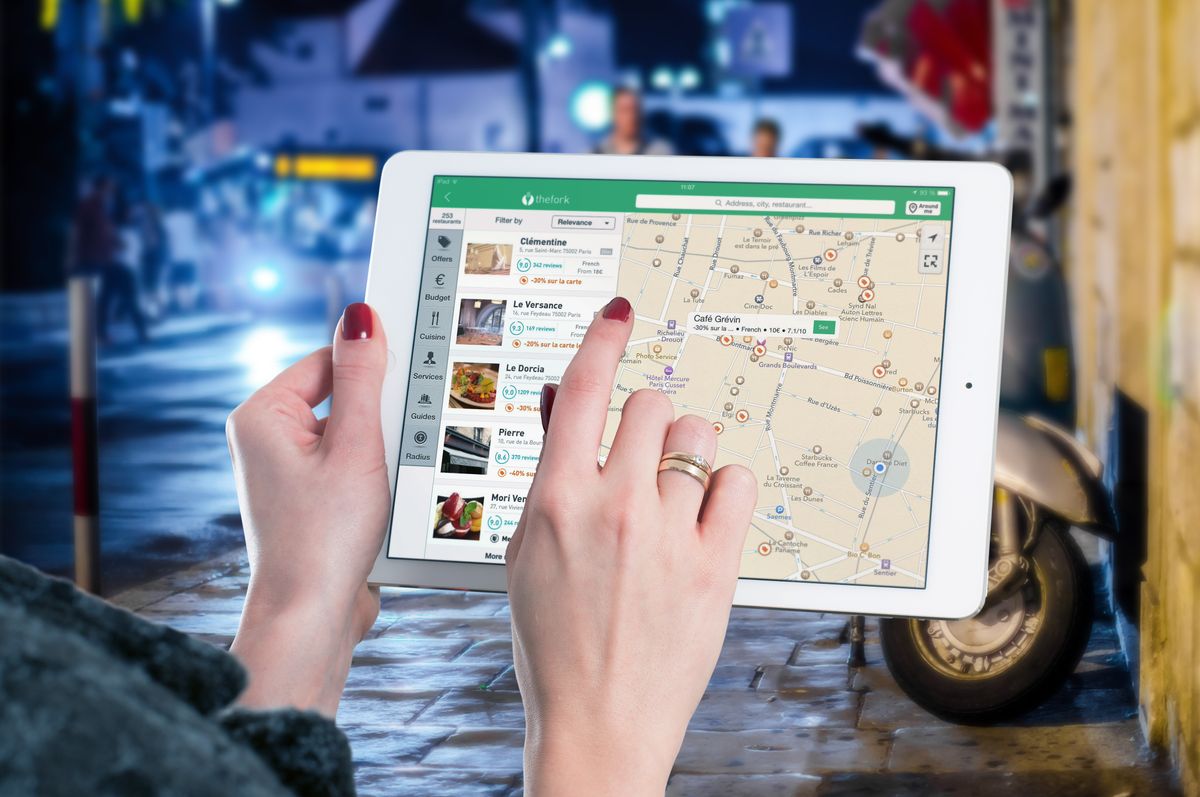
Does Your Practice Info Have to Match Everywhere Online?
A dermatology office moved one floor up, from suite 200 to suite 210. Small change, nobody thought twice. Six months later new patients kept calling from the parking lot, annoyed, because the lobby directory still pointed them one floor down. When we pulled their listings it was worse than the lobby sign: Google said 210, Yelp said 200, their insurance directory said 200, and an old health site still showed a phone number they had dropped two years earlier. Every one of those was a patient sent in a slightly wrong direction, and the ones who gave up never called to complain. They just booked the next practice on the map. This is one of the least glamorous problems in practice marketing and one of the most common questions we get once owners realize it exists: does my information really have to match everywhere, or is close enough good enough? It matters for two very different reasons. One is human: a patient who is not loyal to you yet, deciding in ten minutes between three offices, will not email to sort out a wrong address, they tap the next name. BrightLocal has found around 80% of consumers lose trust in a local business when they spot incorrect or inconsistent contact details. The other reason is Google: search engines cross check your name, address and phone number across dozens of sites to decide how much to trust you, and when those details conflict your local map ranking quietly slips. Inside: why one small move scatters wrong data across the web for years, why you are on far more sites than you think, insurance directories especially, and the exact order to fix it, your own website first, then Google, Yelp and Facebook, then the health and insurance directories, then keep watch because listings drift back. Our honest take: nobody brags about cleaning up citations, it will not go viral, it is a spreadsheet and an afternoon. Which is exactly why so few of your competitors ever finish it, and why doing it well removes a drag holding back everything else you spend on.
Read the article →
Do Instagram Reels Work for Medical Practices?
A dermatologist showed us a Reel with 90,000 views and asked why her Thursday afternoons still had empty slots. Fair question, and the honest answer surprises most owners: Reels really do work, just not for the job they think. Here is the confusion behind it. Reels are Instagram's short vertical videos, and they get huge reach because Instagram pushes short video hard right now and shows Reels to people who do not follow you yet, strangers in your own town. Data from tools like Socialinsider and reports from Hootsuite keep finding Reels pull more reach and interactions than photos or carousels, and for a local practice fighting to be seen that free reach edge is real. But here is what tangles people up: Reels are a top of the funnel tool. They are brilliant at building reach, building trust, and making you findable and human, and weak at the last step, actually getting someone to book. A view is not a decision. Ninety thousand people can watch and almost none drive to your office, because nothing asked them to and nothing made it easy. The gap is what happens after someone taps your profile, a dead bio link, a slow website, a message nobody answers for two days, and every interested patient leaks out at the exact moment they raised a hand. The Reel is the hook. Your profile, website, and response are the line and the net. Our honest take: post the Reels, the reach is worth it, but chasing viral views books nobody on its own. Judge them by profile visits, clicks, and messages, then build the clear path from a view to a booked appointment behind them.
Read the article →
Do Google Business Profile Posts Actually Help Your Medical Practice?
A dermatology office called us frustrated. They had posted on their Google listing three times a week for two months, skin tips and pretty stock photos, and still were not ranking above the practice across town. The honest answer surprised them: those posts were never going to move their ranking much in the first place. But they were missing the one thing posts are genuinely good at. Here is the confusion behind a question we hear constantly, do Google Business Profile posts actually help or are they busywork. The short version: they help, just not the way most people assume. The myth first, because it is where the wasted effort goes. Google ranks local results on relevance, distance and prominence, and posts are not on that list, so grinding out three a week to leapfrog a competitor on the map is polishing the wrong thing. What moves ranking is reviews, categories, a complete profile and a fast website. Now the truth: posts are a conversion tool, not a ranking tool. They fill the last inches of the patient journey with useful, current information at the exact second someone is deciding between you and two similar offices. A fresh post that says accepting new patients, we take most insurance, book in sixty seconds answers the question in their head and hands them a button, while the office next door shows nothing. One catch shapes everything: a standard post fades from view after about seven days, which is exactly why once a week is the sweet spot. Our honest take: posts are worth doing but oversold, so get the order right, a complete profile, fresh reviews and a fast website first, then use posts as a weekly answer to the deciding patient. In that order they genuinely help. In the wrong order they are busywork with a nice font.
Read the article →Augmented Intelligence, Not Artificial: What the AMA Wants Your Practice to Understand
Read enough about AI and you feel two things at once. Excitement, because it clearly does real work now. And a low hum of dread, because the word artificial makes it sound like the plan is to replace you. If you own a practice, that dread has a shape: patients come to you for a human, and you do not want a robot answering the phone and scaring them off. Here is what should calm you down. The largest physician group in the country made a deliberate choice and has stuck to it for years. The American Medical Association does not say artificial intelligence. It says augmented intelligence. Same letters, completely different promise. Artificial suggests a machine that thinks instead of you. Augmented suggests one that helps you think faster and reach further, with the human still in charge and the technology carrying the load underneath. That is not soft PR. It is a policy stance about how these tools should be built and used in medicine, and it is the single best guide there is for bringing AI into your practice without losing the thing patients actually come for. And this is not a someday problem. Fierce Healthcare's 2026 fundraising tracker is full of AI companies raising rounds most practices could not dream of, including agent startups pulling in over 107 million dollars at a clip. The part that touches you most, AI that answers calls and books appointments, is affordable and working for independent practices right now. Inside: why the fear is aimed at the wrong thing, what augment actually looks like at the front desk, the machine takes the overflow and your staff keeps the humanity, the simple test for good healthcare AI, and two honest rules, keep a human in the loop and be straight with patients, so you never cross the line medicine should not cross. Not artificial. Augmented. The point was never to swap out your people. It was to give them back the hours they lose to a ringing phone.
Read the article →
What Is a Normal No Show Rate for a Medical Practice?
An optometrist called us in a rough mood. On a busy Tuesday, five of his booked patients had not walked in, and he wanted one honest answer: is this just what running a practice feels like, or is my rate actually bad? Most owners have never measured their own number, so they have nothing to compare it to. They just feel the sting of the empty chairs and assume everyone deals with the same thing. So here is the real answer. Most practices run a no show rate between 5 and 30 percent, and across studies the average lands somewhere near 15 to 18 percent. Under 10 percent is healthy. Over 20 percent is money leaking out that you can fix this quarter. Inside: what a normal rate looks like and the target to aim for; how it shifts by specialty, why dermatology and med spas run in the single digits while primary care and behavioral health run high; what a single empty chair actually costs, roughly 200 dollars a slot and more than 30,000 dollars a year for one provider losing three a week; the real reasons patients miss, which are mostly forgetting and long waits, not flakiness; and the proven levers that move the number, shorter waits to be seen, a clean reminder sequence, easy rescheduling, a waitlist, telehealth, and a warm follow up instead of a cold fee. Our honest take: your no show rate is a systems number, not a willpower number. Fix the plumbing and the empty chairs fill back up.
Read the article →
What Is a Good Email Open Rate for a Medical Practice?
A med spa owner sent us a proud message: her newsletter had hit a 41 percent open rate, and she wanted to know if that was as good as it looked. So we asked one question back: how many appointments did it book? Two. From a list of a thousand people. A beautiful open rate sitting on top of an email that barely moved the schedule, and the open rate itself was mostly a lie Apple had told her. Here is the honest guide. What a good open rate used to be, around 21 to 23 percent for healthcare per Mailchimp benchmark data, back when opens still measured real people; why your number suddenly looks so high, because in 2021 Apple Mail Privacy Protection started auto loading the tracking pixel and counting opens that never happened, pushing reported rates into the 30 to 45 percent range and making them close to meaningless; the numbers that still tell the truth, click rate at roughly 2 to 3 percent, conversion, and above all booked and reactivated patients; and how to actually lift the honest metrics, real subject lines, a sender name patients recognize, a clean list, and one clear thing to click landing on a page built to book. Our honest take: open rate used to be a decent gauge and Apple turned it into a mood ring, so stop worshiping it and start counting appointments, because your patient list is the cheapest source of new bookings you own.
Read the article →
What Is a Good Click Through Rate for Medical Practice Ads?
A dermatologist emailed us a screenshot with one line: is this good? It showed a 7.8 percent click through rate on her Google Ads, more than double the benchmark she had read about. On paper she was crushing it. But her schedule had not moved in two months. Plenty of clicks, almost no new patients. So we looked at what those clicks did after they landed, and the picture flipped. Her top ad was built around a deep discount. It pulled clicks like crazy from people hunting a deal, and almost none of them booked. A gorgeous click through rate sitting right on top of a losing campaign. That is the trap with CTR: it is the first number most owners learn to read, the one the dashboard shows biggest, and it is the easiest to feel good about while your ads quietly fail. Inside, the plain english version: what click through rate actually is and why it only measures the ad, not the patient; the real healthcare benchmarks, roughly 3 to 6 percent on Google Search and closer to 1 percent on Facebook and Instagram, per WordStream and LocalIQ; and why a high CTR can be a losing deal, because the fastest way to spike it is to promise something free and flood your account with people who never pay. We walk down the chain that actually decides if ads work, CTR to conversion rate to cost per booked patient to lifetime value, and show why click through rate sits two full steps from the money. Then the fixes that lift a genuinely low CTR without fake discounts: match the exact search and city, tighten keywords, turn on extensions, and on social let a real photo and first line do the work. Our honest take: CTR is a fine gauge and a terrible scoreboard. If your number is near the benchmark, stop optimizing the ad and go fix the page and the phone, because that is where the patients are leaking.
Read the article →
How to Market a Plastic Surgery Practice in 2026
A board certified surgeon called us frustrated. Her results were genuinely excellent, her patients adored her, and a newer, glossier practice two miles away was still booking more consultations with a less experienced surgeon. So we looked at both practices the way a nervous first timer would. On the competitor's site: dozens of real before and after photos, a wall of recent reviews, a friendly video of the surgeon, and a button that booked a consult in thirty seconds. On our client's site: a beautiful but slow homepage, a contact form nobody answered until the next afternoon, and almost no proof. Same city, same procedure, wildly different marketing. The better surgeon was losing to the better experience. That is the whole puzzle of cosmetic marketing: this is not a copay and a common cold, it is an expensive, permanent, deeply personal decision that almost nobody pays insurance for, so the practice that earns trust first and makes booking easy wins the patient. Inside: why cash pay changes everything and lets you spend more to earn a high value case; why your website is the consultation before the consultation, and how speed, real proof and easy booking decide it; how to run before and after photos the right way with consent and consistency so patients believe them; why Meta and Google keep rejecting cosmetic ads and how to change the angle so campaigns actually run; how to use Instagram and TikTok for proof and education instead of just pretty; why reviews carry more weight here than almost anywhere; and the consultation leak that sends a ready patient to whoever answered first. Our honest take: sell reassurance, not discounts, because the patient who books on a coupon is the one most likely to be unhappy, and the patient who books because you felt safe and proven is the one who stays for years.
Read the article →
How to Market a Pediatric Practice in 2026
A pediatrician called us a little frustrated. Her reviews were lovely, her patients adored her, and her schedule still had gaps she could not explain. New babies were being born in her town every week and somehow not landing on her books. So we asked one question: when a couple is expecting, how would they find you before the baby comes? She paused. Honestly, she said, I guess they would have to already know about us. And there it was, a wonderful doctor who was invisible at the exact moment families were choosing. That is what makes pediatrics different from almost every other practice. Parents pick their child's doctor before the baby is even born, usually in the third trimester, and then that relationship tends to last for years. The American Academy of Pediatrics recommends eight well child visits in the first 15 months alone, and more through age three, so one newborn is not one patient, it is dozens of appointments over a childhood. Inside: why the decision happens before birth and how to be found and booked while a mom is eight months pregnant searching at 11pm; why trust is the actual product, which makes your reviews, your team photos and your bios matter more than any ad; the phone leak that sends scared parents straight to urgent care when a 2am call rolls to voicemail; how to compete with urgent care and telehealth on access and relationship instead of hours; and the well visit recall that keeps a family for the whole childhood instead of losing them to the walk in clinic. Our honest take: most pediatric practices do not have a demand problem, they have a timing, trust and phone problem, and fixing the order gets the practice families adore in the room to finally be the one they can find, trust and reach.
Read the article →
How to Market a Fertility Clinic in 2026
A fertility clinic came to us with a puzzle that did not add up. Their lab was excellent, their reproductive endocrinologists were experienced, and their success rates held up against the bigger network clinic that had opened forty minutes away. On paper they should have been booked solid. Instead the newer clinic pulled more first consults with less experienced doctors. So we searched the way a scared, hopeful patient searches at 11pm, and the picture flipped. The competitor showed up first on the map, explained IVF cost in plain language, listed success rates with honest context, showed real stories, and let you book a consult in under a minute. Our client's site was beautiful and slow, buried its pricing, and answered forms a day and a half later. Same medicine, very different marketing, and the better clinic was losing to the better experience. That is the whole story of fertility marketing right now. One in six people worldwide face infertility per the WHO, roughly one in five US married women with no prior births cannot conceive after a year of trying per the CDC, and the category keeps growing with later parenthood, egg freezing going mainstream, and more employer coverage. So why the open cycles? Because deciding to seek care and choosing a clinic are two different steps, and almost everything goes wrong in the gap. Inside: why local search decides who even gets found; why your site has to answer the two loudest questions, how much will it cost and how likely is it to work, instead of hiding them; the cost conversation you cannot avoid in a largely cash pay field; why trust is the actual product and honest success rates beat glossy ones; advertising the hope, not the diagnosis, so Google and Meta do not reject you; letting real patient stories carry the fear; and why egg freezing brings younger patients years before IVF. Our honest take: the big networks are not winning on science. They win on visibility, honesty about money, and a first experience that feels human. All fixable, and none of it requires better medicine.
Read the article →
How Many Times Does a Patient See You Before They Book?
A dermatologist swore her Google Ads were broken. People clicked, it cost her money, and nobody booked. We asked one question: how many of those people had ever seen her practice before that click? Almost none. The ad was the very first time most of them had ever heard her name, and she expected them to hand a stranger their skin and their credit card on the first meeting. When we stacked a few more touchpoints around that same ad, reviews they could find, a retargeting reminder, a website that answered their fears, the bookings showed up. The ad was never broken. It was alone. This is one of the most misunderstood things in practice marketing: owners judge a channel by whether it produces a booking on the first exposure, when almost no patient decides that way. A health decision is personal, sometimes scary, often expensive, so people circle it. They research, compare two or three practices, check insurance, wait for payday, and come back days later. Inside: where the old rule of seven comes from and why the principle still holds even though nobody counts to seven; what actually runs through a patient's head before they book and why every pause is a chance to lose them; the dozen small places a single patient crosses your name, most of them free; why roughly 19 in 20 first website visits are not ready to act; how to stack touchpoints without a giant budget using your Google profile, reviews, steady social, cheap retargeting and fast follow up; and the trap that kills good practices, judging every channel by the first touch and quitting right before the patient was ready. Our honest take: consistency beats brilliance here. The practice that wins is rarely the one with the cleverest single ad. It is the one a patient kept running into, in a good way, until booking felt like the obvious, safe choice.
Read the article →
What Is the Best Time to Post on Social Media for a Medical Practice?
An office manager showed us a color coded spreadsheet of best time to post charts. She had spent an afternoon on it, and it was aimed at almost the least important knob on the whole dashboard. Here is the honest guide. The real data first, because the big studies from Sprout Social and Hootsuite do agree on a safe default, weekday mornings into early afternoon, roughly 9am to noon, Tuesday through Thursday. Then the two asterisks that change everything. First, feeds are not chronological anymore. Instagram, Facebook, and TikTok moved to a recommendation feed that shows a post based on how interesting it is, not how recently it went up, so a great post at 8pm Saturday can outrun a dull one at the perfect 10am Tuesday, and timing became a small early nudge instead of a magic switch. Second, those charts are a national blur across every industry, not your patients, while your own Instagram Insights and Meta Business Suite show for free exactly when your local followers are online. Our honest take: the obsession with the perfect hour is one of the most common ways good practices waste their social energy, polishing the doorknob while the house needs paint. Post on a weekday, lean on your own insights, then pour the freed up energy into content and consistency, because that is what actually earns trust and books patients.
Read the article →
Why Standalone AI Tools Keep Failing Medical Practices
This week MedCity News ran a blunt headline: radiologists need AI that works where they work, not standalone software. A radiologist already reads across four or more systems at once, so a lone AI tool in a separate browser tab does not help them, it hands them one more window to juggle. Read that and you might think it only matters to imaging departments. It is actually the most useful thing an independent practice owner can hear about AI all year, because your front office lives the exact same problem with different screens. Picture a Tuesday morning: to book one new patient your receptionist opens the scheduler, then the practice management system for insurance, then a texting tool, then a review app, then the intake form in yet another link. Five tools, five logins, none talking to each other, every handoff a chance to drop a digit or miss a callback. Now the AI wave hits and the temptation is to buy a point tool for each leak, a chatbot, a standalone phone bot, a separate reminder service. Bolt them all onto a front desk that is already juggling and you did exactly what those radiologists warned about. Inside: why point tools look cheaper but cost you in staff time and lost patients; the one question to ask before you buy any AI tool; how the market itself is consolidating, with OpenLoop folding the AI voice startup Hey Revia into its platform this month rather than leaving it a lone bolt on; and what working where you work really means for a practice, a phone that can actually book, booking that writes straight into your schedule, and follow up that runs off the same record. Our honest take: the answer to a leaky front office is almost never another app. It is fewer tools that are actually wired together, so your team stops being human glue between apps that should have talked from the start.
Read the article →
What Is a Good ROAS for a Medical Practice?
A med spa owner called us ready to shut off her ads. Her agency's dashboard showed a 2.2 to 1 return on ad spend, she had read online that you want 4 to 1, and she was done. We asked one question: is that counting only the first appointment, or the memberships and repeat visits those patients bought after? Silence. It counted the first visit. Once we added the six months of treatments those same patients came back for, the real return was closer to 9 to 1. She had almost killed a campaign that was printing money. That is the trap with return on ad spend, or ROAS: it is the number everyone quotes and almost nobody measures right, especially in healthcare, where a patient's value shows up slowly over months and years. Inside, the plain english version: what ROAS actually means and how it differs from ROI, why the famous 4 to 1 benchmark is a starting line and not your target, and the one number that really decides it, your break even ROAS, which is just 1 divided by your profit margin. A 50 percent margin breaks even at 2 to 1, a 25 percent margin needs 4 to 1 just to cover costs, so the same ratio is a win for one practice and a loss for the one down the street. We also cover why healthcare ROAS is measured wrong more than almost anywhere, since most of a patient's revenue never makes it back into the ad platform, and why a sky high ROAS can actually be a warning that you are underspending and leaving new patients for a competitor. Then the real levers: a page built to book, fast follow up, counting lifetime value, and matching the channel to intent. Our honest take: ROAS is a great question and a terrible obsession. Know your margin, count the whole patient, and let total profit, not the prettiest ratio, be the score.
Read the article →
Text vs Email Appointment Reminders: Which Cuts No Shows More?
A physical therapy office asked us a fair question this spring: they already send appointment reminders, so why were Fridays still dotted with empty slots? We looked at how they sent them. Every reminder went out by email, from a template that landed in the promotions tab next to a coupon for tires. The patients were not ignoring the practice. They just never saw the message, like a light switch flipping a burned out bulb. That is the whole case for text over email in one story. Inside: the number that settles most of the debate, text messages get opened about 98 percent of the time with most read within three minutes, while the average email is opened closer to 20 percent; the research showing text reminders cut no shows by roughly 30 to 50 percent, more than almost any other single fix; where email still earns its place, namely intake forms, pre visit instructions and newsletters, the messages you want a patient to sit with rather than glance at; how many reminders to send and when, because five is noise and patients mute the whole thread; the mistake most reminders make, ending with Do Not Reply so a patient who needs to move to Friday has nowhere to send it and just no shows instead; and the plain HIPAA rules for texting patients without exposing anything on a lock screen. Our honest take: text is your reminder channel, email is your document channel, and the biggest wins come from letting patients reply. Emailing your reminders and calling it done is usually losing money you cannot see, one empty slot at a time.
Read the article →
Is a Medical Answering Service Worth It?
A pediatric clinic owner swore her front desk answered every call. Then she pulled one week of phone data: 38 calls never got picked up, most during the Monday rush and lunch hour, and a good chunk of those parents just booked the next office on Google. That is the moment most owners start googling medical answering service. Sometimes it is the right fix. Often it is a half fix that trades one problem for a less visible one. Inside: how bad the missed call problem really is (studies find practices miss anywhere from 23 to a startling 42 percent of calls during business hours, and about 80 percent of people who hit voicemail hang up without leaving a message); what an answering service actually does and where it earns its keep, namely after hours triage and emergencies; the real cost heading into 2026, from 1.29 to 2.25 dollars a minute to flat plans near 250 dollars, plus the fine print where wrong numbers, hang ups and voicemails all count as billable calls; the HIPAA rule you cannot skip, no signed Business Associate Agreement, no deal; and where a message taking service falls short, the Tuesday at 11am call that decides whether your schedule fills. Our honest take: the point was never to answer the phone, it was to book the patient, and a full message queue loses patients the same way a full voicemail box does. Then the option most owners never consider, an AI receptionist that answers on the first ring day or night and books the appointment on the call instead of taking a message you have to chase.
Read the article →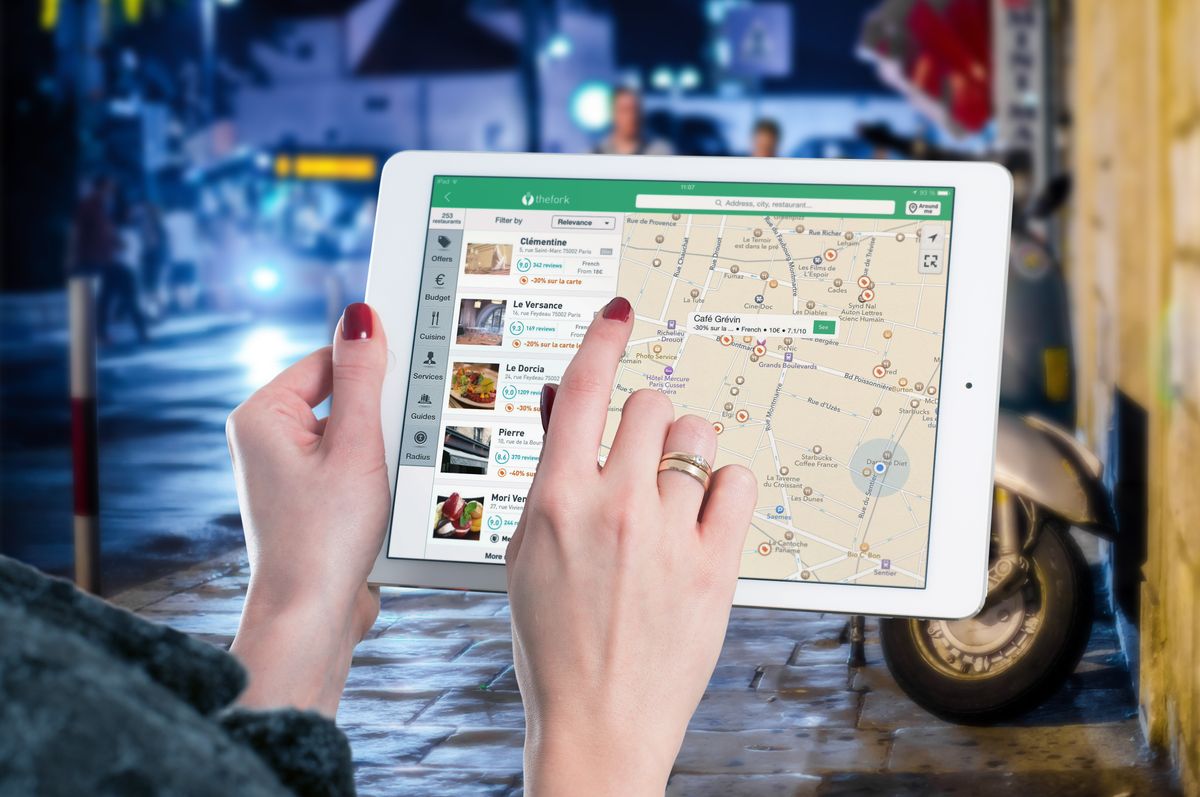
How to Rank Higher on Google Maps for Your Medical Practice
A pediatrician called us convinced her marketing was broken. Great website, real ad spend, and barely a trickle of new patients. So we ran the search her patients actually run, pediatrician plus her city, on a phone, and she was nowhere on the map at the top. Three other offices sat there collecting the calls. She was not losing patients because her care was worse. She was losing them because she was invisible in the one spot that decides most local searches: the Google Maps 3 pack. Businesses in that little map get about 126 percent more traffic and 93 percent more calls, taps and clicks than everyone ranked below it, and most people never scroll past those three listings, which means your beautiful website does not even enter the picture if you are not on the map first. Inside: what the 3 pack really is and why it beats your homepage; the three factors Google states publicly, relevance, distance and prominence, and why you should stop worrying about the one you cannot control; the moves that actually climb it, from filling your Business Profile all the way out to a steady review habit to matching your name and address everywhere; what does not work and what can get your listing banned; and the trap of winning the ranking then losing the patient because nobody answers the phone. Our honest take: for a local practice, the map is the highest ROI marketing most owners ignore, and it compounds, because every fresh review lifts your rank, which puts you in front of more people who leave more reviews.
Read the article →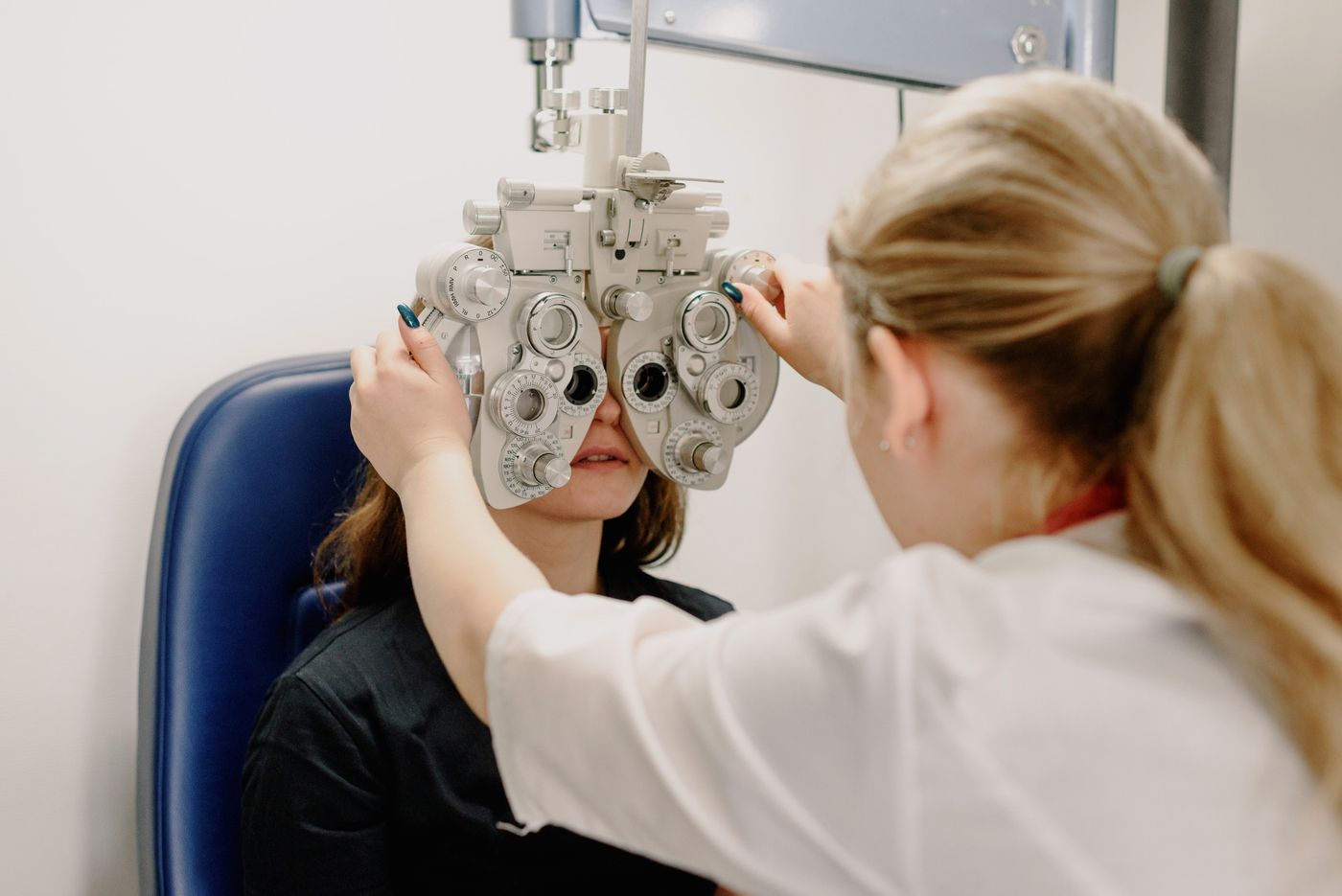
How to Market an Optometry Practice in 2026: Win Both Sides of the Office
An optometrist called us this spring with a problem that did not add up. His exam chairs were busy, his reviews were good, and yet the optical counter, the frames and lenses that carry a big chunk of a practice's profit, was flat, while more and more patients walked out with a prescription and bought their glasses online. He figured he needed a frame sale. So we asked a different question: after a patient leaves with that prescription, when do you talk to them again? Honestly, he said, not until they call us, which is a year or two late, if ever. That is optometry in a sentence. Nearly everyone needs glasses or contacts eventually, and the practice still leaks patients and dollars, because it is running two very different businesses out of one office and marketing as if it were one. Inside: why the clinical side is a positioning and access problem, not a demand problem (sell the comprehensive exam as the health checkup it is, a painless window that catches diabetes and high blood pressure before symptoms, not just the errand before new glasses); why the optical side loses to Warby Parker and Zenni not on price but because nobody reminded the patient to come back; the myopia wave worth owning now that nearsightedness hits about 42 percent of American adults and is climbing fastest in kids; and the single system that decides whether your optical counter grows or bleeds, the annual recall most practices leave to memory. Our honest take: you do not have a demand problem, you have an order of operations problem, and fixing it gets both engines pulling at once.
Read the article →