
How to Market a Therapy or Mental Health Practice in 2026
A therapist emailed us frustrated: she was great at her job, she had left a group practice to go solo, and she had built her whole caseload on one Psychology Today listing. Then a wave of new therapists moved into her area, her profile slid down the page, and the calls dried up. Three open slots, no idea how to fill them. Her words: I spent ten years learning to help people and zero minutes learning how to get them to find me. That is the hidden crisis in private practice mental health right now. Demand has never been higher, roughly one in five US adults lives with a mental illness each year and only about half get any care, yet plenty of good therapists still scramble for clients. The gap is almost entirely marketing. Wanting therapy and choosing a therapist are two different steps, and everything goes wrong in between: the person is ready at 10pm, opens their phone, and either cannot find you, cannot tell if you are a fit, or loses their nerve before they book. Meanwhile the national teletherapy apps answer in seconds and take the client. Inside, the honest playbook: own local search so you show up when someone types therapist near me, build a warm website that answers the scared first timer questions, offer a low pressure free intro call, advertise the help and not the diagnosis so your ads do not get flagged, collect reviews within the limits of confidentiality, and use social to feel human instead of clinical. Our honest take: the national brands win on marketing and convenience, not better care, and that is a fixable problem.
Read the article →
How to Market a Men's Health Clinic in 2026
A men's health clinic owner told us his hardest problem was not the medicine, it was the parking lot. Men would drive in, sit in their truck for ten minutes working up the nerve to walk inside, and a good number just drove off. His treatment was excellent. His marketing problem was human nature. That one scene explains almost everything about marketing a testosterone or men's health clinic. Demand has never been higher: the testosterone replacement therapy market was worth roughly 2.1 billion dollars in 2025 and keeps climbing, and millions of American men have low T that goes untreated. The catch is that the tide is lifting national telehealth brands, not local clinics. Hims and Hers topped 2.4 million subscribers with revenue growing close to 50 percent a year, and their whole pitch is speed and discretion: answer a few questions, get a script, never leave the couch. Your care is better, real labs, a real doctor, in person monitoring, and you still lose, purely because you are invisible and inconvenient the moment a man is ready to act. Inside, the honest playbook for winning men in your own zip code: understand a patient who researches alone at midnight and acts on a narrow window of motivation, own local search because that is where he looks, build trust with reviews and a site that answers the shy questions, advertise the outcome not the drug so your ads do not get flagged, and make booking faster and more private than a telehealth app so a hesitant guy never gets the chance to talk himself out of it. Our honest take: the national brands are winning on marketing, not medicine, and that is a fixable problem.
Read the article →
How to Get Patients to Switch to Your Practice
A dermatologist we work with was sure her town was tapped out. Everyone already had a skin doctor, so where were new patients supposed to come from? We asked her one question back: when was the last time you stuck with a business only because leaving felt like a hassle? Her bank. Her cable company. The old dentist she had been meaning to fire for two years. That is the whole game. Most patients are not loyal to their doctor, they are stuck, and a surprising number are one long wait or one surprise bill away from typing your specialty and their city into Google. The pond you think is empty is actually the biggest one in town. Inside, the real data on how ready people are to move: roughly 1 in 4 patients said they were already considering switching providers in 2025, about 69 percent said they would switch for better service, more than a third would leave over a clunky digital experience, and around 30 percent have literally walked out of an appointment because the wait was too long. Then the honest playbook for winning them, because switching needs a trigger plus friction, a move or a bad visit lights the match, and everything that makes staying easier than leaving is what keeps them stuck. So you show up first in local search, calm a nervous stranger with fresh reviews, beat established offices on access and speed with easy booking and evening openings, and never let a motivated caller hit a voicemail and dial the practice across town instead. Our honest take: quality does not speak for itself, the patient down the street who is fed up does not know you exist, and the practices that grow are simply the ones present at the moment of decision. Not louder, not older, just easier to find, trust and choose.
Read the article →
Should Your Medical Practice Use WhatsApp to Message Patients?
A pediatric clinic in a heavily Hispanic part of Houston kept losing families to the practice across town. Not over the medicine. Over a green chat icon. Parents asked, in Spanish, can I just message you on WhatsApp, and the office kept saying please call the number. For a huge slice of the country, WhatsApp is not a niche app, it is the phone. Around 100 million Americans use it, and Pew Research Center finds Hispanic adults use it far more than the general public. So should your practice be there? Yes for some things, and a hard no for others, and mixing those up can land you in real trouble. The trap most good practices miss: WhatsApp is encrypted, but HIPAA also needs a signed Business Associate Agreement, and Meta does not sign one, so the moment you put a result or a diagnosis into a thread you have a compliance gap. Inside: why so many of your patients keep asking for it; the simple line to remember (use it to help people find you and book, never to discuss their care); the messages that are perfectly safe to send; and the smarter play that gives patients the easy chat feeling without the risk, secure texting from your own number, online booking, and an AI receptionist that answers instantly in English or Spanish and routes anything sensitive the right way. The real lesson is bigger than one app: patients pick the practice that is easy to reach in the way they already communicate. Meet them there, safely, before someone else does.
Read the article →
Women Make Most Healthcare Decisions. Is Your Marketing Talking to Them?
A men's health clinic ran ads at men in their forties. Then the owner listened to his booking calls, and half of them were women. Wives, girlfriends, a daughter setting up a visit for her dad. They saw the ad, decided he needed to go, and booked it for him. That clinic is not unusual, it is the norm. The patient in your chair often is not the person who chose you. In most families one person books everyone's care, reads the reviews, and makes the call, and about 80% of the time that person is a woman, a figure long cited across healthcare and consumer research. Inside: why the person who books matters more than the patient your marketing pictures; the five practical things that change when you design around the busy household coordinator instead of an imaginary patient reading calmly alone; why she checks reviews and your team's real faces before she trusts you with someone she loves; the awkward booking form that quietly loses you whole families; why so much family scheduling happens at 10pm when your front desk is closed; and how to find out who actually books in your own practice instead of guessing. Same clinical care. You just start serving the person actually making the decision.
Read the article →
How to Market a Physical Therapy Practice in 2026
A clinic owner called us worn down. Two therapists, a great reputation, patients who left glowing reviews, and yet the schedule swung wildly month to month because roughly three quarters of his new patients came from one orthopedic group down the road. When that group hired their own in house PT, his new patient count fell off a cliff in a single quarter. His care was excellent. His marketing was a single pipe someone else controlled the valve on. That is the hidden fragility inside a lot of physical therapy practices, and here is the fact that should reshape the whole plan: in all 50 states, a patient can start physical therapy without a doctor's referral. Almost none of them know it, so they wait weeks in pain for a note they never needed. Inside: how to use the direct access advantage nobody is using and say no referral needed out loud; how to win local search by answering the symptom, not the job title, since nobody googles manual therapy, they google my knee hurts going down stairs; why reviews are your best salesperson; the goldmine of past patients whose injuries recur; why finishing the plan of care is marketing; how to keep referral relationships warm without depending on them; where Google ads and Instagram each fit; and the missed call leak that swallows the direct access patients you worked so hard to reach. Take the wheel instead of waiting on the referral pad.
Read the article →
How to Market a Dermatology Practice in 2026: Win Both Sides of the House
A dermatologist called us frustrated in a way that did not add up. Her medical schedule was booked six weeks out and her waiting room was full, yet the cosmetic side that actually carries the margin, the Botox, the fillers, the laser packages, was barely moving, while a med spa two doors down was slammed. She figured she needed more cosmetic ads. So we asked a different question: when a new patient calls scared about a mole, what happens? Voicemail, she admitted, and the next opening is over a month out. So they call someone else. That is dermatology in a nutshell. Skin cancer is the most common cancer in America, one in five of us will get it by 70, and cosmetic demand has never been higher, yet the practice still leaks patients, because it is running two very different businesses out of one front desk and marketing as if it were one. Inside: why the medical side is an access and speed problem not a demand problem (long waits plus a phone that goes to voicemail equals patients booking with a telehealth app); why the cosmetic side is a trust problem you win with your board certification, real before and after proof and reviews, not a 99 dollar coupon that pulls deal hunters; the annual skin check recall most practices never run; and the single most underused lever in dermatology, the medical patient already in your chair who has wanted Botox for two years and never knew you offered it. Our honest take: you do not have a demand problem, you have an order of operations problem, and fixing it gets both engines pulling at once.
Read the article →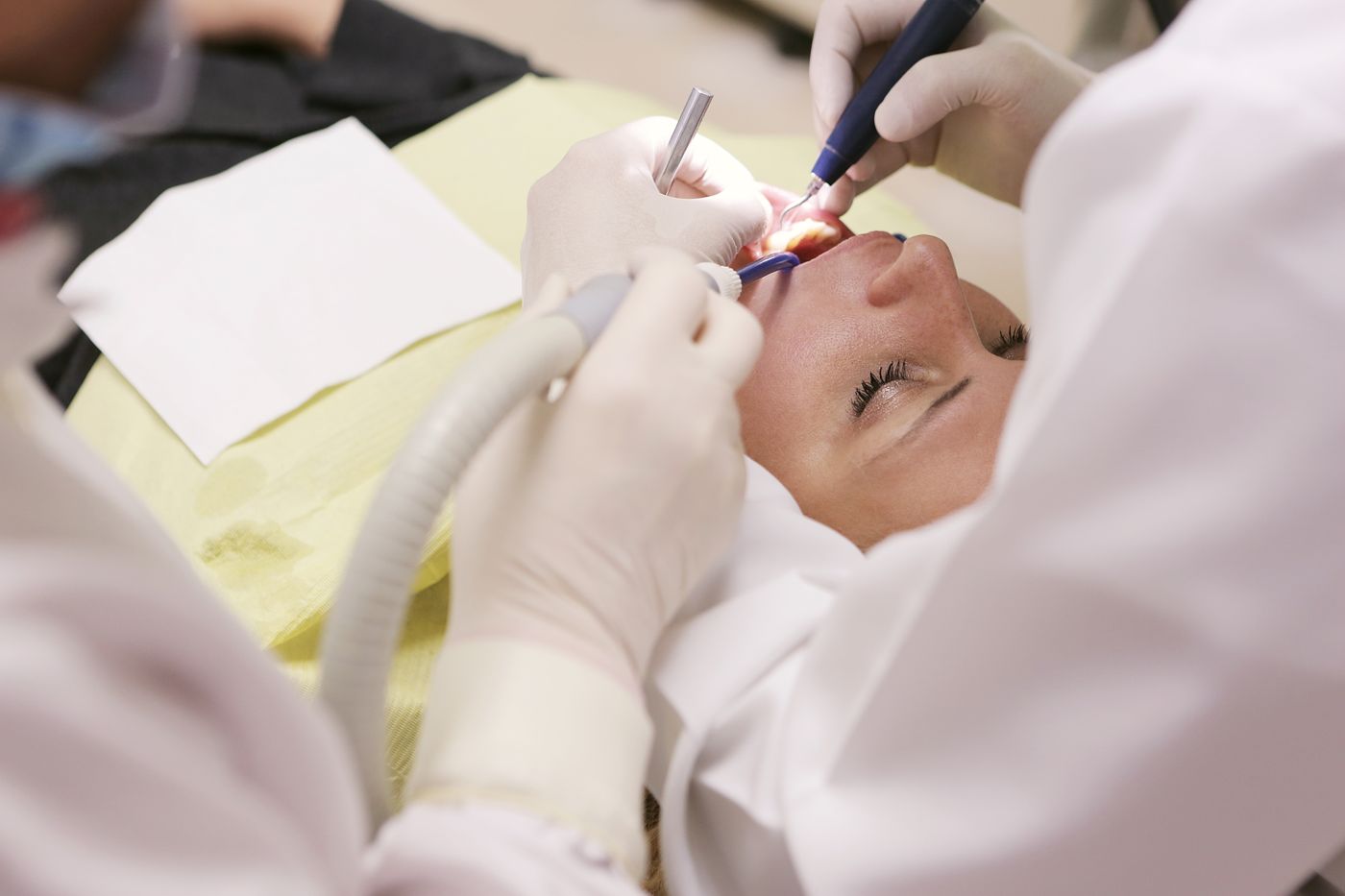
How to Market a Dental Practice in 2026
A dentist emailed us frustrated. His work was excellent, his Google rating was a 4.8, he ran Facebook ads every month, and still new patient numbers were flat with holes in the hygiene columns. He figured he needed a bigger ad budget. So we asked one question: how many new patient calls went to voicemail last week? He had no idea. The call log said 22. Twenty two people, most of whom never called back, because the front desk was busy with the patients standing right there. That is dental marketing in one email. Americans spend more than 170 billion dollars a year on dental care, and dental is the most competitive local search in all of healthcare, so demand is not the problem. Being found first is, and then not leaking what you create. Inside: why dental is its own animal (the most crowded near me search there is, a recall business that lives on patients coming back every six months, and two very different engines, everyday hygiene versus high value implants and aligners); how to win the Google map by answering the problem, not the procedure, since nobody googles posterior composite, they google this tooth is killing me; why reviews are your best salesperson and how to reply to bad ones without breaking HIPAA; how to protect the recall schedule, the most valuable asset you own, and reactivate lapsed patients for pennies; where Google ads and Instagram each fit and why the big cases live on your website; the missed call leak that quietly kills dental marketing, especially after hours; and why knowing what a patient is truly worth changes every decision. Win the map, guard recall, answer the phone.
Read the article →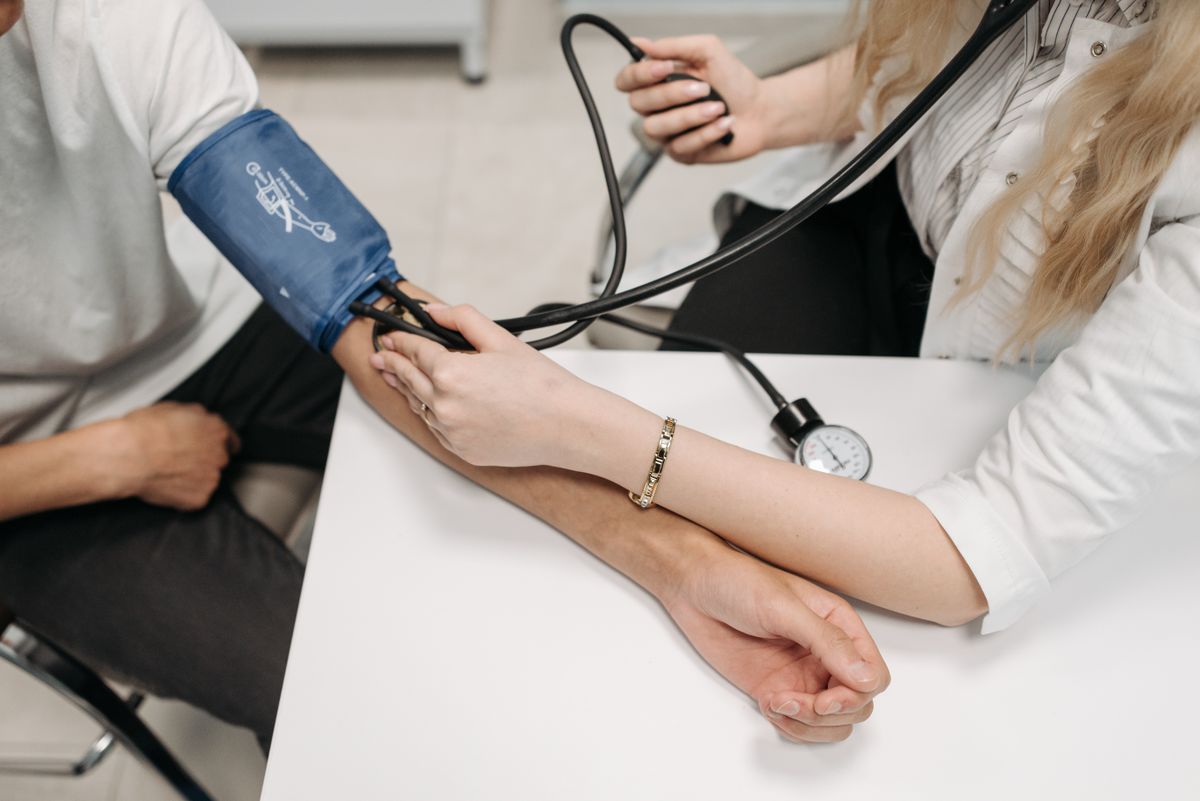
How to Get Male Patients to Book Your Practice
A men's health clinic owner called us defeated. Good doctor, strong reviews, real reputation, and yet his new male patients kept trailing off. So we searched the exact thing a 45 year old man in his city types at 11pm, always tired, no energy, and his practice was nowhere. What showed up instead was a slick national app that ships testosterone after a five minute quiz. His patients were not choosing the app because it was better. They were choosing it because it was easier, and he was invisible at the moment they finally decided to act. That is the quiet crisis in male patient care: about 65% of men avoid the doctor as long as possible per Cleveland Clinic, and when they finally move, friction sends them to a box on the porch instead of a real local doctor. Inside: why men are so hard to book and why it literally shortens their lives; how the telehealth apps beat you on friction, not medicine, and how to match their ease then win on trust; the mindset shift that changes everything (stop selling checkups, sell the one fix he actually wants); answering the problem he googles instead of the procedure; letting him book without ever talking to a human; catching the rare call he does make; hours that respect his job; and the twist most men's health marketing misses, that a woman usually books on his behalf. Lower the wall, and a surprising number of men walk right through.
Read the article →10 Tips to Grow Your Medical Practice on Social Media
A dermatologist called us frustrated. She had 14,000 Instagram followers, a reel with 300,000 views, and a schedule that was still half empty. A family doctor two towns over had 900 followers and a waitlist. The difference was not luck. One of them was playing for applause and the other was playing for trust, and that gap is the whole game. Before the tips, we settle the arguments practice owners actually ask us every week: likes or views (neither books a patient), shares or saves (saves win), TikTok or Instagram (Instagram is home base for most local practices), and the big one, chase a viral hit or build slow boring trust (trust, and it is not close). Then 10 practical things you can do this month: put real faces on camera starting with yours; answer the questions patients google at 11pm; pick one platform and post consistently for a year instead of everything for three weeks; lead with short vertical video; make local your unfair advantage; build trust with proof not claims; treat comments and DMs like your front desk before the patient books someone who answered faster; always point traffic to a page that can convert; mix education and personality instead of just promotion; and measure booked patients, not applause. Social media works for healthcare. It just rewards the boring virtues over the flashy ones. The transformation owners actually want is a new patient saying I feel like I already know you.
Read the article →
Do I Need a Website If I'm on Google and Facebook?
A dermatologist asked us this last month, half hoping the answer was no. Busy Google profile, a Facebook page with a few thousand followers, no website at all. Her logic made sense: patients already find me, so why pay for a site? Here is the honest answer. A Google Business Profile and a Facebook page are genuinely useful, and every practice should have both. But they are not a substitute for a site you own. They are the front door and the sidewalk. The website is the house. Inside: what each of the three tools actually does and where each one hits its ceiling; the pattern almost every patient follows, they find you on Google, then look for your website to confirm you are legit, and around 41% visit a practice site while researching a provider, so a missing site means booking someone else; why Google and Facebook are rented land they can suspend or throttle overnight while your site is the one thing you own; the concrete jobs a website does that a profile and a page simply cannot, ranking for the symptoms patients type, feeding AI search tools, booking on your terms, catching paid ad clicks; the few cases where you can get away without one, and the five signs the math has flipped. Same patients shopping for you. You just give them somewhere real to land.
Read the article →
Back to School Marketing for Medical Practices: Fill Your Schedule Before Parents Pick Someone Else
A pediatrician we work with used to dread August. Not because it was slow, the opposite. The phones exploded the week before school started, the front desk drowned, and half the parents who called got a voicemail and booked at the urgent care down the road. All that demand, lost at the last step, and she never marketed for a bit of it. That is the thing most owners miss about back to school: it is not a promotion you invent, it is a wave of parents who are practically required to get their kids checked before the year starts, all searching at the same time, all on a deadline. Sports physicals with a hard cutoff. Immunizations schools demand for enrollment. The well child visit that got put off all summer. Eye exams a classroom screening waves right past. Dental cleanings before homework eats the weeknights. It is a pediatric, family, urgent care, optometry and dental story at once, plus a September bump for med spas once parents get their own calendar back. The demand is handed to you. Inside: why you have to start in July not August, the five step playbook that actually fills chairs (your own families first, one clear seasonal booking page, local Google presence, tightly targeted ads, hours that match real parent life), and the step where most practices lose the whole season, the phone rush the front desk cannot answer, where every voicemail is a parent booking somewhere else. Our honest take: skip the discount gimmick, win on easy and trustworthy, and remember a back to school physical is a doorway to a family that stays long after the first bell.
Read the article →Do You Have to Tell Patients When AI Answers Your Phone?
A med spa owner called us rattled over a one star review: "Felt like I was talking to a robot the whole time and nobody ever told me." The worst part was she was not sure it was wrong. Her after hours line did use AI, it worked well, and nobody had thought about whether to say so. One friendly sentence would have turned that complaint into a shrug. This is the question landing on every owner's desk right now, because AI answering the phone is no longer a someday thing. Voice AI companies are raising serious money to sell exactly this to healthcare, nurses' unions spent this week pushing hard for guardrails, and the law has already arrived: California's AB 3030 already requires telling patients when AI writes their clinical messages, Texas started its own rule in January 2026, and Utah since 2024. Three states, same direction. But here is the part owners miss: disclosure is not a tax you pay to stay legal, it is a trust builder. Patients do not hate AI on the phone. Pew found most are uneasy about it, yet the real anger in complaints is almost never "there was AI," it is the dead end with no human, the bot that pretended to be a person named Jessica, the cold handoff where they had to repeat everything. None of that is fixed by ripping out the AI. It is fixed by saying it in one plain line, always offering a human, and passing the notes along. Inside: the exact one sentence disclosure that does three jobs at once, the HIPAA trap in the cheap tools flooding the market, why a human in the loop is what patients and lawmakers both want, and a five minute checklist for your practice.
Read the article →
Should My Medical Practice Have a Patient Referral Program?
It sounds like the easiest growth idea in the world. Your happiest patients already talk about you, so why not pay them a little for every friend they send? Your dentist buddy swears by his 25 dollar refer a friend card. Here is the part nobody warns you about: in healthcare, that same friendly idea can walk you into a federal law with real teeth. The Anti Kickback Statute makes it a crime to give anyone anything of value to induce a referral for care a federal program might pay for, and the beneficiary inducement rule aims straight at nudging a patient's choice. Cash only lowers the federal risk but state fee splitting and patient brokering laws still apply. A med spa owner called us last year all set to hand out cash referral cards, sure she was in the clear because she was cash pay, until we found the HSA and insurance edges that made her clean line not so clean. Inside: what is actually legal, the narrow nominal value lane and why it is a trap, and the three moves that grow referrals with none of the risk, ask at the right moment, make sharing one tap easy, and win the friend once they search your name. Same goal your refer a friend card was chasing. None of the downside.
Read the article →
Should I Build My Medical Practice Website Myself?
Wix and Squarespace make it look easy, and cheap. Drag, drop, publish, done. So why pay anyone? A family doctor emailed us last fall with a fair question: he had built his own site over a couple of weekends, it looked "totally fine," so why was almost nobody booking? We opened it on a phone, the way patients actually see it, and watched it take nearly seven seconds to load. By then half his visitors were already gone. The site was not ugly. It was slow and invisible, which for a practice is worse. Here is the honest part: sometimes DIY is exactly right. A brand new practice with no budget should get a clean, fast, honest page live this week and not feel bad about it. The trouble starts when that site becomes the front door patients actually use to find and book you. Inside: why speed is the whole ballgame on a phone, how builders quietly hurt your local SEO, the trust signals a template does not hand you, the booking flow where self built sites simply stop, the HIPAA form risk nobody thinks about, and the real math of what a patient is worth. Plus the one clear moment when building it yourself is the smart move.
Read the article →
Patients Are Using AI to Self Diagnose Before They Book. Here Is What Your Practice Should Do
A dermatologist told us a patient walked in with a screenshot and said, so I already asked ChatGPT and it thinks this is probably benign, but I wanted to be sure. That scene is now happening in every specialty. Nearly 3 in 10 US adults use an AI chatbot for health advice every month, and among adults under 30 it is closer to 1 in 4, per KFF's 2026 tracking poll. A West Health and Gallup survey found most people who use AI for health research the visit before or after seeing a doctor, and many use it to decide whether to go at all. This is the new front door, and it happens on a phone at 11pm, inside a tool you do not control. Inside: what patients are really doing with AI; the two risks that matter, the patient who talks themselves out of a needed visit, and being invisible when the AI names a provider; how to become the practice ChatGPT actually recommends by being easy to cite, not just easy to find; why the moment of highest intent moved to odd hours and how online booking plus an AI receptionist captures the person who was ready at midnight; and why fighting the informed patient loses the room while meeting them like a partner earns the booking and the loyalty. Stop trying to hold the wave back and turn it into your advantage.
Read the article →
Is Zocdoc Worth It for Medical Practices?
A dermatologist asked us this over coffee last spring. Zocdoc was working, her schedule looked healthy, and then she added up a year of booking fees and put her cup down. "I think I paid for a car," she said. That is the honest tension. Zocdoc genuinely sends you patients who are ready to book today, but it charges up to 110 dollars for each new one, every month, and the word booking hides a trap: a booking is not the same as a patient who shows up, stays, and comes back. When Zocdoc rolled out its per booking pricing, some New York doctors pushed back publicly about being charged for bookings that never became real patients. And there is a cost bigger than money: the patient found Zocdoc first, so next time they open the same app and see your competitors sitting right next to you. You rented the patient, you never owned them. Inside: what it actually costs per kept patient after no shows, the exact situations where it is worth testing and where it is not, and why the channels you own (your Google profile, your website, your reviews, your past patient list) beat a faucet someone else controls and can reprice any time. It is a fine faucet. It is a poor foundation.
Read the article →
How to Reach New Movers Before They Pick a Doctor
A family unloads a moving truck three streets from your office this week. They have no doctor here, no dentist, no pharmacy. In the next month or two they will choose all three, probably from a phone, probably from whoever shows up first and looks trustworthy. A pediatric dentist told us how he lost a family of five in a single tap: the mom searched "kids dentist near me," his practice came up second, and the one above him had newer reviews and a Book Now button. Gone, to a practice half a mile away, and he never knew. That is the quiet math of new movers. About 28 million Americans move each year, most of them locally, and every one is a fresh patient with no loyalty to anybody, actively shopping for exactly what you do. Yet most practices pour money into pulling settled locals away from a doctor they already have, the hardest sale there is, while the folks who are literally searching for one this week get ignored. Inside: why a newcomer is a household not a headcount, where new residents actually look (a phone, the map, your reviews), the five step plan to be the name they find, the welcome mailer channel almost nobody in healthcare uses, and the speed trap that quietly loses them.
Read the article →
How to Market a Weight Loss Clinic in 2026
A physician called us in a mood we now hear all the time: her waiting list was long, her results were real, and Facebook had just restricted her ad account for the third time in a year. That is the strange spot medical weight loss lives in right now. GLP1 drugs turned it into maybe the biggest demand wave in healthcare, one in eight US adults has already tried one, and yet it is one of the hardest niches on earth to advertise. The same platforms everyone else uses will fight you at every turn, because weight loss is a sensitive category and the rules are stricter than any owner expects. The natural line you want to write, "are you struggling with your weight," is the exact line that gets you banned. Before and after shots, a drug name, a pound count, a promise of fast results, all rejected. Inside: why Meta and Google keep saying no and the one reframe that keeps your ads live, why local search beats paid ads here because it cannot be rejected, how to build trust with a burned, skeptical patient in a market full of hype and pop up telehealth brands, why telehealth follow ups are where the real retention and profit live, and the after hours speed trap that hands your most motivated patients straight to the national brands. The demand is overflowing. Most clinics just market it like a diet pill and get punished for it. Here is the honest way.
Read the article →
How to Market a Chiropractic Practice in 2026
A chiropractor called us frustrated. His technique was great, his patients loved him, and still the schedule sagged by the middle of every month. He had spent two years buying 29 dollar first visit specials, and it sort of worked: new faces walked in, came twice, and vanished. He was pouring money into the top of a bucket with a giant hole in the bottom. That is the trap almost every chiropractic office falls into, because they market a repeat visit, trust first business like a one time sale. More than 35 million Americans see a chiropractor every year, so demand is not the problem. The leak is. Inside: why chiropractic marketing is its own animal (it runs on repeat visits, it is mostly paid out of pocket so patients feel every dollar, and it still carries some skepticism you can turn into an opening); how to win local search by answering the symptom, not the job title, since nobody googles spinal manipulation, they google why my neck is killing me; why reviews are your best salesperson in a word of mouth field; the goldmine sitting in your software, the hundreds of past patients a simple check in text brings back for pennies; why retention is marketing and how to plug the hole in the bucket; where Google ads and Facebook each actually fit; and the after hours speed trap that hands your most motivated patients, in pain and ready to book, straight to the office across town while your hands are busy. Fix the order and the schedule stops sagging.
Read the article →
Can You Pay Patients to Leave Reviews for Your Practice?
A chiropractor asked us this in April, half joking. He wanted to drop a ten dollar coffee card at the front desk for anyone who left a 5 star review. Great patients, great outcomes, and a Google listing with eleven reviews that had not budged in a year while the clinic two blocks over sat at ninety. He was not trying to cheat. A coffee card felt like a thank you. So can you? No, and the reason matters. Paying or gifting for reviews breaks two separate rules at once: the FTC finalized a rule in 2024 that bans incentives tied to a review, with civil penalties that can run past fifty thousand dollars per violation, and Google's own policy bans any incentive at all and can strip your reviews or flag your listing overnight. Inside: the sneaky trap that catches good people, review gating, where you screen patients and send only the happy ones to Google, and why it is banned and does not even work. Then the part that does work, legally and better: ask at the peak happy moment, make it a ten second task with a QR code or a text link, ask everyone and follow up once, and reply to reviews without tripping HIPAA. The winning practices do not have the best bribe. They have the best habit.
Read the article →
Why Facebook Keeps Rejecting Your Medical Practice Ads
You wrote a simple ad, a nice photo and a fair offer, and a few hours later it is sitting there in red: not approved. No real reason, just a link to a wall of policy. So you change the picture, resubmit, and get rejected again. Here is the part nobody tells healthcare owners: it is almost never your image, your budget, or your luck. A med spa owner called us furious after a month of rejections. We read her ad for ten seconds. The headline said "Tired of your stubborn belly fat?" That one sentence was the whole problem. Facebook will not let your copy imply it knows the reader's body or health, and most healthcare ads break that single rule without anyone realizing. Inside: the Personal Attributes policy in plain words, good copy versus rejected copy you can copy straight, the promise words that get flagged, the truth about before and after photos, what changed in 2025 for every healthcare advertiser, the Special Ad Category explained without the panic, and the pre publish checklist that makes the rejections stop. Getting approved is step one. Booking the patient is the whole point.
Read the article →Why Did My Google Reviews Disappear?
A med spa owner messaged us on a Sunday night, upset. The week before, her front desk had asked every patient for a Google review. It worked, or so it seemed: 41 reviews jumped to 68 in three days. By the weekend the count had slid back to 44. Twenty plus reviews, gone, no email, no warning. She thought a competitor reported her. The real answer was simpler and far more common: Google's spam filter. And it is busy. In 2025 Google blocked or removed more than 292 million policy violating reviews, up about 21 percent year over year, and by its own count roughly one in five review attempts on Maps was flagged. The catch is the filter sweeps up real reviews along with the fake, and it never tells you why. Inside: the most common triggers we see, a sudden burst of reviews, reviews from the front desk tablet or office Wi Fi, thin reviewer accounts, gift cards and incentives, and scripted content, plus whether you can ever get removed reviews back, and the boring, durable way to earn reviews that actually stay put. Think brushing your teeth, not a crash diet. A little every day beats a heroic weekend Google flushes.
Read the article →
Why Are My Google Ads So Expensive for My Medical Practice?
A dentist called us in May, fed up. Fourteen dollars a click, a thousand dollars gone in two weeks, and a handful of calls, two of them asking about a plan he doesn't accept. He wanted to know if Google was ripping him off or if he was just bad at this. The answer was neither. He had walked into one of the most expensive auctions on the internet with the settings turned all the way to wasteful, and nobody had told him. Here is the honest breakdown owners never get: why healthcare clicks genuinely cost more (a patient worth thousands, hospital systems and PE chains outbidding you, sky high intent), and the part nobody mentions, that two practices can pay wildly different prices for the exact same spot. Google charges you for relevance through Quality Score, so broad keywords, no negative keyword list, ads that don't match the search, every click dumped on a tired homepage, and a slow site quietly multiply your price. Plus the leak that wastes more than any setting: the phone nobody answers. What counts as a normal cost per click, why the click price alone is a trap, and how the same dentist now books three times the patients on the same budget. The auction did not get cheaper. His account got smarter.
Read the article →