Texting is the channel patients actually want. Ask people how they would rather hear from their doctor about a reminder, a confirmation, or a quick question, and text wins over a phone call almost every time, especially for anyone under 50. So most practices already text. The problem is not whether you text. It is what your text looks like when it lands.
Right now, a plain SMS from your office shows up the same way a scam does: a gray bubble from a ten digit number nobody saved as a contact. In a country where people get buried in junk texts every day, an unknown number is guilty until proven innocent. Your reminder competes with fake package alerts and toll scams, and it often loses. That is the exact gap RCS is built to close.
So what is RCS, in plain English?
RCS stands for Rich Communication Services. Think of it as the long overdue upgrade to SMS, the texting standard that has barely changed since the 1990s. It runs over the internet instead of the old carrier network, which lets it do things SMS never could. The two that matter most for a medical practice are simple.
First, your identity shows up. Instead of an anonymous number, a verified RCS message displays your practice name, your logo, and a verification checkmark right at the top of the thread, the same way a text from your bank or airline now does. Second, the message can do more. Read receipts tell you when a patient actually opened it, and you can add tappable buttons like Confirm, Reschedule, or Get Directions instead of asking them to call back. Better images, too, so a map to your office or a prep instruction sheet looks clean instead of blurry.
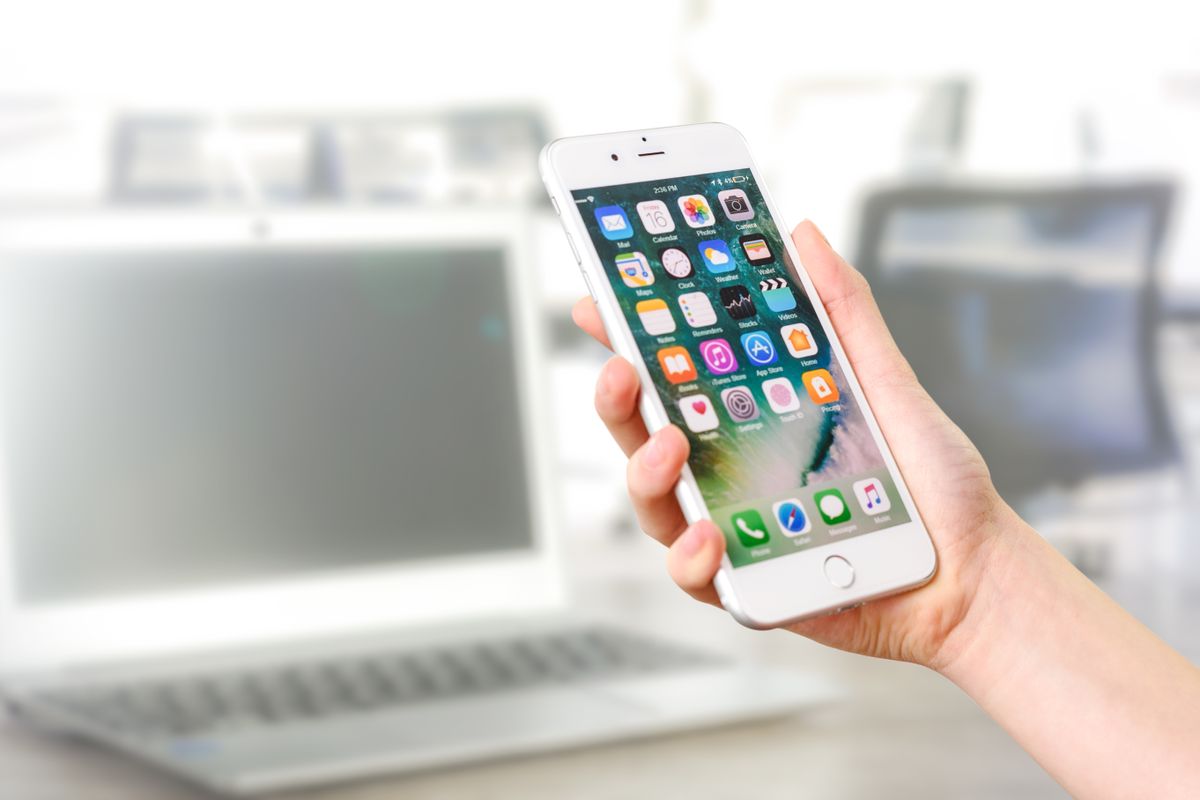
The best part for you: patients do not have to do anything. RCS lives inside the normal texting app they already use. On Android it is built into Google Messages. Apple added RCS to the iPhone in iOS 18, so as of 2026 both sides of the aisle support it. If a particular phone or carrier does not, the message simply falls back to regular SMS, so nobody is left out. There is no app to download and no new channel to teach patients. The text just shows up looking like it came from a real place.
Why this matters more for healthcare than for retail
A missed marketing text from a shoe store costs almost nothing. A missed text from your office can cost a booked chair. When a patient ignores your reminder because it looked like spam, you get a no show. When they miss the confirmation link, your front desk spends the afternoon on the phone chasing people down. When your review request never gets opened, your reputation stops growing. Every one of those has a real dollar figure, and we put numbers on the worst of them in our piece on how much a no show costs a medical practice.
The trust gap is the whole game. Verified, branded business messages are pulling read and click rates well above plain SMS for the same audience, with some campaigns reporting click through rates several times higher once a name and logo replace the anonymous number, per Twilio's breakdown of RCS versus SMS. SMS already gets opened at very high rates. RCS keeps that reach and adds the one thing SMS never had, which is a reason to believe the message is safe to tap.
And this connects to a problem a lot of practices do not even know they have. If your texting number is not registered properly, carriers may flag it as spam and silently stop delivering your messages at all. We wrote about that failure in why your patient texts are not being delivered and in what to do when your practice number gets flagged as spam. RCS does not fix that by itself, but the same setup work that turns on verified branded messaging is also the work that gets your number registered and trusted. You fix delivery and trust in one move.
Where RCS actually earns its keep in a practice
Strip away the buzz and RCS is useful in a few concrete, everyday places. These are the ones worth paying attention to.
- Appointment reminders and confirmations. A branded reminder with a one tap Confirm or Reschedule button beats a plain text that asks people to call the office. Fewer no shows, fewer phone tags. It pairs naturally with the thinking in how many appointment reminders to send.
- New patient intake and directions. Send a clean map, a parking note, and an intake link that actually looks trustworthy, so first timers show up on time and prepared instead of lost and late.
- Review requests. A review ask from a recognizable, verified sender gets opened and tapped more than one from a mystery number, which steadily grows the wall of reviews that wins you local search.
- Recall and reactivation. The overdue cleaning, the annual eye exam, the patient you have not seen in a year. A branded text is far more likely to get read than an anonymous one, which makes campaigns like the ones in reactivating past patients and leads work harder.
- Read receipts that guide follow up. Knowing a patient opened your message but did not confirm tells your team exactly who to nudge, instead of blasting everyone the same way.
Notice what is not on that list: sending anything sensitive. That brings us to the part too many vendors skip over.
The honest caveats: HIPAA and hype
Here is the straight talk, because you will hear plenty of marketing that leaves it out. Business RCS is not end to end encrypted the way a personal message between two phones can be. In practical terms, treat it exactly like you treat SMS and email. It is great for logistics: reminders, confirmations, directions, review requests, general updates. It is the wrong place for test results, diagnoses, or detailed clinical notes. Anything that is protected health information belongs in a secure patient portal or on a platform that will sign a business associate agreement with you. Use RCS for the front desk kind of message, not the medical record kind.
The second caveat is expectations. RCS is not magic and it is not a product you buy off a shelf and switch on alone. It is a capability of the texting platform your practice uses, and turning on verified branded messaging still requires registering your business and your number the right way. Any tool that promises instant verified texting with no setup is overselling it. Done properly it is a real upgrade. Sold as a miracle, it will disappoint. We keep the same honest posture on every channel, which is why our guide to text message marketing for medical practices spends as much time on the rules as on the wins.
A quick story from the trenches
A family practice called us frustrated that their no show rate had crept up even though they were sending reminders. We asked to see what the reminders looked like on a patient's phone. There it was: a gray bubble from an unfamiliar number, no name, no context, sitting one line below a fake toll scam text in the same inbox. Of course people were ignoring it. We got their number properly registered, moved their reminders onto a platform that supports verified branded messaging, and set up a simple Confirm button. Nothing exotic. Within a couple of months, confirmations went up and the last minute empty slots went down, not because they texted more, but because their texts finally looked like they came from a doctor instead of a scammer. Sometimes the fix is not doing more. It is being recognized.
How this fits the bigger picture of getting and keeping patients
Texting does not live on its own. It is one piece of how a patient finds you, chooses you, books, shows up, and comes back. A verified reminder means little if the same patient could not reach a human when they first called, or if your website took too long to load and they bailed before booking. That is why we do not sell texting as a standalone gadget. We build it into a connected patient acquisition and communication system where every touch supports the next one.
The other half of the conversation is what happens when a patient replies or calls instead of tapping a button. Someone who texts back "can I move my appointment" at 8pm should get an answer, not silence until morning. This is where an AI receptionist fits alongside branded texting: it answers calls and messages the moment they come in, books and reschedules, and handles the routine questions your front desk is too buried to catch, day, night, and weekend. Branded texts get people to engage. The AI receptionist makes sure that when they do, someone is there. Together they close the loop that plain SMS and a voicemail box leave wide open, and they feed the same no show fight we cover in how to reduce patient no shows.
What to do this month
You do not need to overhaul anything overnight. Start with three simple checks. First, pull out your phone and look at your own practice's last reminder text the way a patient does. Does it show a name, or a naked number? Second, confirm your texting number is properly registered so carriers are not silently dropping your messages. Third, ask whoever runs your patient texting whether the platform supports verified branded RCS messaging, and if not, whether it is on their roadmap. Those three answers tell you exactly how much of this hidden tax you are paying today.
RCS is not a trend to chase. It is the floor rising under a channel you already use. The practices that get their name and logo onto every text, and get a real answer waiting when patients respond, will look more trustworthy than the office down the street still texting from a number that reads like spam. In healthcare, where the whole relationship runs on trust, that recognition is worth more than any clever campaign.
See what your patients actually see when you text them
Book a free strategy call. We will look at how your reminders, confirmations, and review requests land on a real phone, check whether your number is trusted or flagged, and show you how verified branded texting plus an AI receptionist can turn ignored messages into booked chairs.
Book a free strategy call →