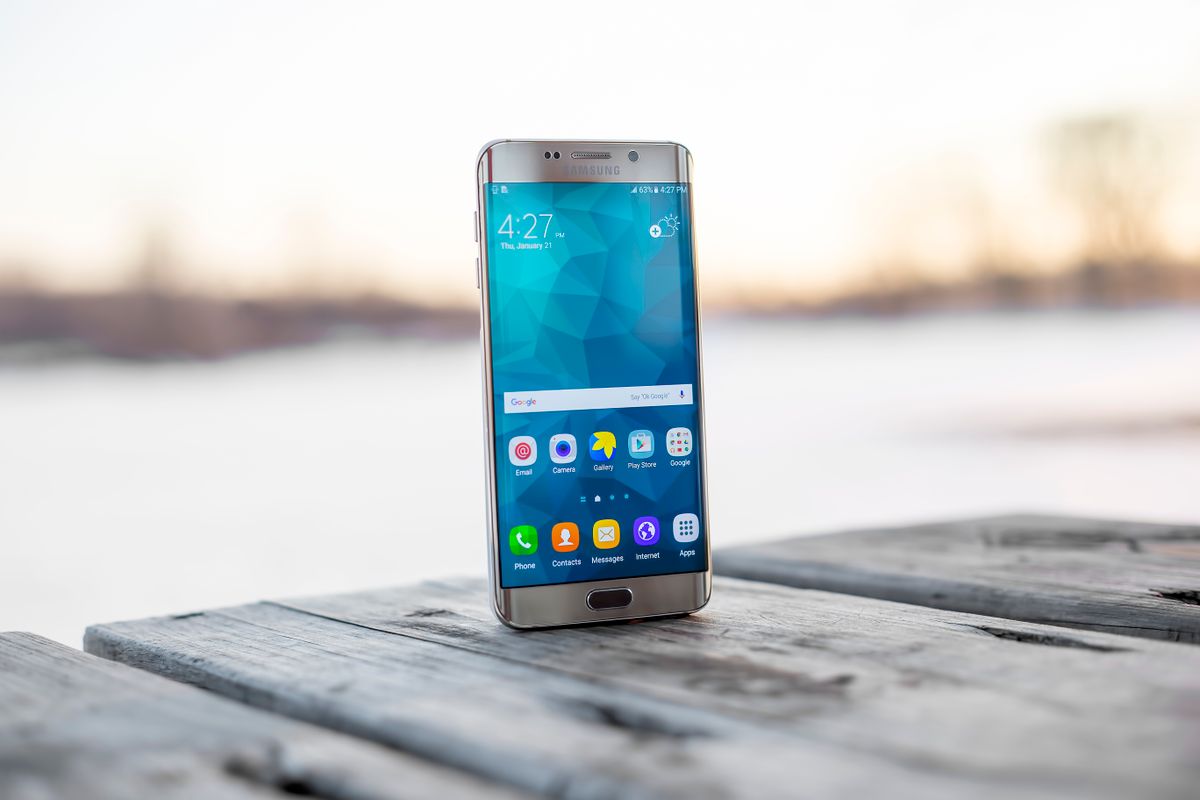
Picture the way a patient with a toothache or a sudden rash finds you. They pull out their phone, type "dentist near me" or "dermatologist near me," and Google shows a little map with three nearby practices under it. For years, right next to each of those listings sat a small green Call button. One tap and the phone was ringing at your front desk. No website visit, no form, no wait. That button booked a lot of appointments without anyone thinking about it.
In 2026, Google moved it. Across most US phones, the direct call button has been removed from that local map result, the box the industry calls the local pack or map pack, or it is being tested so heavily that it comes and goes. In its place Google now leads with Directions and Website, and pushes the call action inside your full profile, behind an extra tap. The phone number did not disappear. It just got one step harder to reach. And in mobile search, one extra step is never small.
Why one hidden button matters this much
Here is the uncomfortable math. A large share of practices got most of their new patient contacts as calls straight from Google, not from their website. When the button that made those calls easy moves behind a click, fewer people finish the action. That is not a guess, it is how tap friction always works. Every added step between intent and action drops a percentage of people who were ready a second ago.
Businesses across local search have been reporting the fallout since the change rolled out. Some saw a modest dip in Google driven calls. Others, in phone heavy categories, reported calls falling by half or more from Google Maps alone. Practices tend to sit on the painful end of that range, because so many patients still reach for the phone when something hurts. You did nothing wrong. Your reviews are fine, your ranking is fine, and the phone still stopped ringing.
The deeper lesson is the one worth sitting with. Your busiest "marketing channel" was a button on a platform you do not own and cannot control. Google can, and did, rearrange it overnight without asking. Anyone whose new patient flow leaned on that one button just learned how fragile it was. We wrote about a related version of this in why your Google Business Profile gets views but no calls, and the call button change makes that gap even wider.
Why Google did it (and why it actually points somewhere useful)
Google did not do this to hurt small businesses. It did it because it is steering people toward actions it can measure and, increasingly, keep on its own pages: getting directions, visiting a site, and above all booking. Through 2026 Google has been elevating Book Online and Request Appointment buttons above the old call button, and when you connect a supported scheduler, a one tap booking action can show up right in the local results where the call button used to be.
Read that again, because it is the whole strategy in one sentence. The practices that added online booking did not lose the button. They replaced it with a better one. A booking tap sends a patient straight onto your calendar instead of into a phone queue that might go to voicemail. Patients tend to prefer this too, we broke down the split in do patients prefer to book online or call, and a growing share pick "book now" when you give them the option.
The one move to make this week
Get a real Book Online action onto your Google Business Profile. Connect a scheduler Google supports, or use Reserve with Google, so a booking button appears in the local results and patients can grab a slot without leaving the search page. That single change puts a working button back where the call button used to be, one you actually control.
Four ways to recover the bookings you are losing
1. Add online booking to your Google profile, not just your website
A booking link buried three clicks into your site does nothing for the patient standing in the map pack. The goal is a booking action on the profile itself, so it shows up in the exact spot the call button vacated. Point it at a fast, mobile friendly page where a new patient can pick a real time slot in seconds. If your current booking flow is a "request appointment" form that just triggers a callback, you have recreated the same problem, more on that in should new patients be able to book online.
2. Make the phone number obvious everywhere else
The number is still on your profile, just deeper. So stop relying on Google to surface it. Put a big click to call button at the top of your website, in your Google posts, and in every text and email you send. A patient who lands on your homepage should never have to hunt for how to reach you. Our take on whether a click to call button helps covers where to place it so it actually gets tapped.
3. Answer the calls you do still get
When fewer calls come in, each one is worth more. That makes a missed call more expensive than ever, and most practices miss a quarter to a third of theirs. We put dollars on it in how much a missed call costs a medical practice. Cover the lunch hour, turn on missed call text back so nobody who reaches out gets ghosted, and consider putting our AI receptionist on the line so every call is answered on the first ring, day or night. A demoted call button hurts a lot less when you catch every call that survives it.
4. Do not let your whole practice hang on one Google button
This is the real fix. Reviews, local ranking, a booking action, a fast site, answered phones, and a couple of channels that are not Google at all. When new patients can reach you five different ways, Google moving one button is an annoyance, not an emergency. A strong, well optimized presence in the local map pack still matters enormously, it just should not be the only leg the table stands on.
Where EtherealMinds fits in
This change is a small, perfect example of why we build a whole patient acquisition system instead of chasing one tactic. Our team wires online booking into your Google profile and your site, keeps your local search presence sharp through our healthcare SEO work, builds websites that turn a click into a booked visit, and makes sure the calls that still come through actually get answered. When one channel shifts, the others hold the line.
The practices that felt this change the least were the ones that never leaned on a single button in the first place. That is the whole point of a system: no one move by Google, Meta, or anyone else can take your schedule down with it.
Our honest take
Losing the call button stings, but it is a gift disguised as a problem. It exposed something that was true all along, that renting your new patient flow from one button on someone else's platform was never safe. The answer is not to fight Google or mourn the button. It is to give patients more than one easy way in, put a booking action where the call button used to live, and answer the phone when it rings. Do that, and the next time Google reshuffles its layout, you will barely notice.
Is your phone ringing less since Google changed things?
Book a free strategy call. We will look at how new patients actually reach you right now, where the call button change is costing you appointments, and the fastest ways to plug the leak, from a one tap booking action on your Google profile to an AI receptionist that never misses a call. Clear plan, no jargon.
Book a free strategy call →