
Do You Really Need an AI Growth Platform to Get Patients?
Two more AI patient engagement platforms launched in healthcare this week. Before you buy the dashboard, here is the honest version: about 80% of software features never get used, and the platform was never the thing that gets you patients.
Read the article →
It's Not Just Gen Z: Who Actually Uses AI to Find a Doctor
Owners picture a twenty something on ChatGPT. A 2026 report says the heaviest AI users are patients aged 45 to 60, at 64% versus 28% of under 30s. Your best patients are the ones asking AI first.
Read the article →
Is AI Sending Patients the Wrong Info About Your Practice?
More than a third of patients now pick doctors with AI, and 66% hit wrong provider info: old addresses, dead phone numbers, insurance you dropped. Most never check. Here is why AI gets your practice wrong and how to fix it.
Read the article →
Patients Now Use AI More Than Google to Find a Doctor
A new June 2026 report found AI just passed Google search and word of mouth as the top thing shaping how people pick a doctor. What the numbers say, what decides whether AI names your practice, and how to check what it tells patients about you right now.
Read the article →
AI Won't Replace Your Doctors. It Should Replace Your Phone Tag.
The trade press keeps circling the same idea: AI in patient care works best clearing the busywork, not doing the caring. Here is where that line falls, why the front desk is where AI pays off first, and how to use it without turning your office cold.
Read the article →
A Hospital CEO Just Joined an AI Front Desk Company. Here Is Why That Matters
A former Brigham and Women's chief just went to work for an AI front desk company. His reason cuts through the hype: more patients need care than the workforce can serve. That gap is worse at your practice.
Read the article →
The Patients Using AI to Find Doctors Are Not Who You Think
A 2026 survey found 64% of patients aged 45 to 60 use AI like ChatGPT to research a doctor, more than any younger group. And most trust what it says. If your details are wrong, you lose them.
Read the article →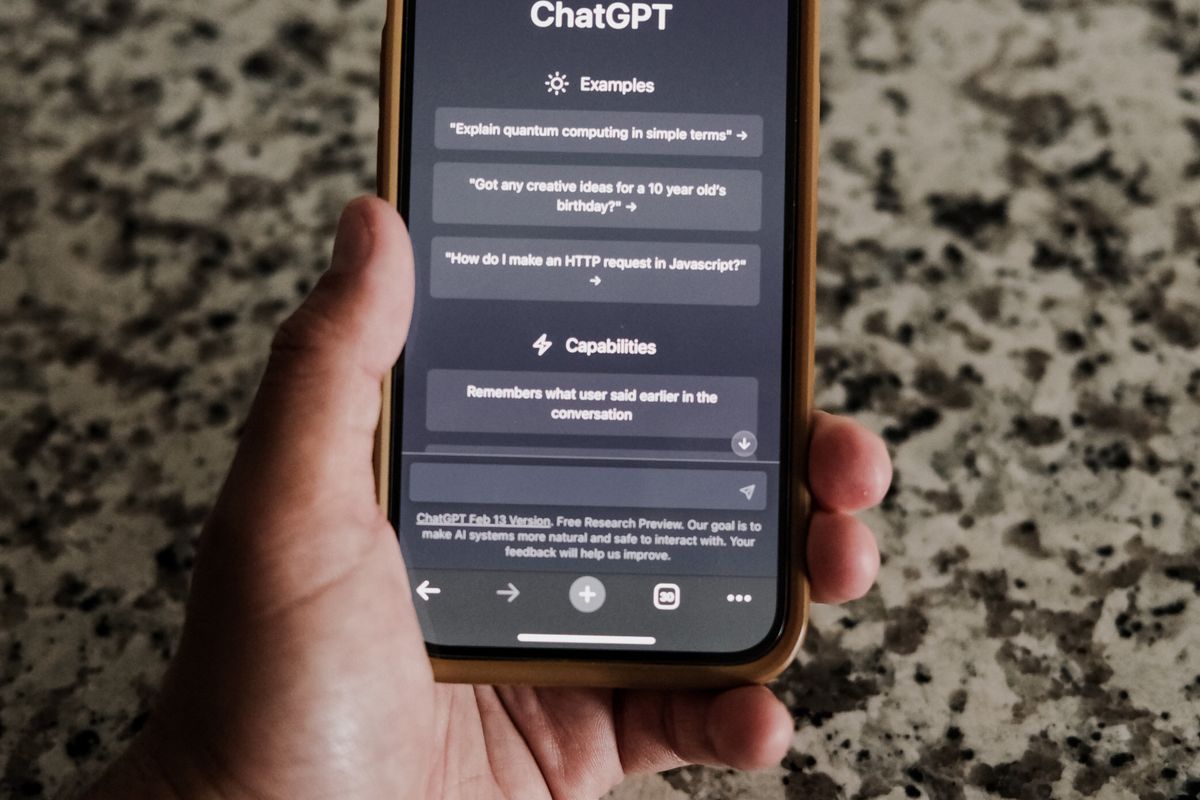
Can AI Agents Book Appointments for Your Patients?
Patients now let AI browsers like ChatGPT and Comet book for them. If an agent cannot complete a booking on your site, it picks the practice next door. Here is how to be ready.
Read the article →
Deepfake Doctors Are Selling Fake Cures. What It Means for Your Practice
Scammers are cloning real doctors with AI to push fake cures, and some ads pull millions of views. Even if your face is never stolen, patients now doubt every doctor online. Here is how an honest practice stays trusted.
Read the article →
AI Is Writing Your Women's Health Content. It Can Carry Old Bias.
A 2026 warning says the AI boom in women's health could reinforce old biases. The quiet version of that problem is on your website right now, in the AI written content meant to bring women through your door. Here is how to use AI the right way.
Read the article →
How to Use AI in Your Practice Without Losing Patient Trust
Patients are more open to AI than you think. 84% just want to be told it is being used, and 89% want an easy way to reach a human. Here are the three guardrails that turn AI into a reason patients trust you, not a reason they leave.
Read the article →
Patients Now Trust AI More Than Referrals to Pick a Doctor
A 2026 report found patients now lean on AI tools like ChatGPT to choose a doctor more than Google or a physician referral. And it is the 45 to 60 crowd leading, not the young. What it means for your practice.
Read the article →
OpenAI Is Inside Hospitals Now. What the AI Race Means for Your Practice
OpenAI just named its first hospital and Mayo is pooling data worldwide. If you feel a decade behind, you are not. The real story for your office is not in the exam room, and it is a lot more fixable than it looks.
Read the article →
What AI Vendors Won't Tell You Before You Sign
81% of doctors now use AI, and most of it comes from startups. The demo is slick, but the contract decides who owns your patient data, who is liable when the tool is wrong, and what it costs to leave. The four clauses to read before you sign.
Read the article →
Big Hospitals Are Scaling AI. What Should a Small Practice Actually Do?
HCA Healthcare just detailed how it is scaling AI across 191 hospitals, and 75% of health systems now use at least one AI tool, up from 59% a year earlier. If you own a small practice, that wall can feel impossible. Here is the reframe that makes it simple: you are not running HCA's race. The AI that pays off for an independent practice is smaller and cheaper, and it lives at your front desk. This guide covers the adoption gap, why size not technology is the real barrier, and the handful of AI moves that fill a schedule: answering every call day and night, following up on leads in seconds, and being the practice an AI recommends when a patient asks who to see.
Read the article →
Why ChatGPT Favors Hospitals Over Independent Practices
A patient opens ChatGPT and asks for a good dermatologist in their city. It names the big hospital across town, not the excellent independent practice two blocks away. A recent Medical Economics piece put a name to it: AI favors the big guys. But the reason is not what most owners assume, and it is not permanent. Inside: why AI leans toward the loudest name online instead of the best doctor (more pages, more listings, more reviews the model has absorbed); what this costs a practice that never sees the loss; why specific, local searches are where a focused independent clinic can actually beat a giant; the honest foundations that get you named by ChatGPT, Google AI Overviews and Perplexity at once; and how to catch the high intent patient the AI sends you. About 1 in 8 adults have already used AI to look up health info (KFF). Cited data, honest take.
Read the article →
Google Put Ads in AI Mode. Do They Help You Rank?
Ask Google a shopping question now and you often get a written AI answer instead of blue links, and Google has started putting ads inside it. A July 2026 SE Ranking study of 50,032 commercial keywords found ads in 29.45 percent of AI Mode searches, nearly one in three, and mostly on pricey keywords, where clicks over 10 dollars showed ads 53.56 percent of the time. Healthcare keywords are among the most expensive in advertising, so this is coming for you. But the finding that matters most: paying for the ad did almost nothing elsewhere. Only about 11.5 percent of advertisers were cited as AI sources for the keywords they bought, and roughly 85 percent had no organic ranking for those same terms. Inside: why ads follow cost per click not popularity, why exposure is not authority, why healthcare still has the lowest ad presence at 2.64 percent and the citation door is wide open, why you should not turn ads off, and how to score paid, organic, and AI visibility on three separate scoreboards. Cited data, honest opinion.
Read the article →
Can Patients Book Your Practice Through ChatGPT?
Almost half of patients now use AI to find a doctor, 47 percent in a 2026 rater8 survey, up from 31 percent late last year, and the group leading it is aged 45 to 60, not the young crowd. ChatGPT can even run apps like Booking.com right inside the chat now. So owners keep asking: can someone book me straight from ChatGPT? The honest 2026 answer has a twist. Even OpenAI backed off handling bookings directly and now pushes the transaction to the business, because people research in the chat but want to finish on the brand's own turf. Which means ChatGPT recommends you, and your website, booking link, and phone still close the deal. That handoff is where practices win or lose the patient: a slow site, a clunky form, or a call to voicemail sends them right back to the chat to pick the next name. Inside: the real numbers on AI provider search, what apps in ChatGPT changed, why two thirds of AI users hit wrong info about providers and trust it anyway, and the four things your practice needs ready to catch the patients AI sends you. Cited data, plus our honest take.
Read the article →
Healthcare AI Just Got Real. Here Is What It Means for Your Practice
In one strange week, a lawsuit alleged Mayo Clinic cut corners with AI and put patient privacy at risk (MPR News), while the FDA cleared its first medical device with an AI that talks straight to patients (McGuireWoods). Two headlines pulling in opposite directions, and the same lesson underneath: AI in healthcare is no longer a whether question, it is a how question. Inside: why the Mayo story is a warning about carelessness, not about AI itself, why the FDA milestone tells you exactly where patients are heading, the vendor gold rush now flooding your inbox and the five questions that expose a junk AI tool, plus the simple rules that let a small practice use AI to win more patients without ever risking care, privacy or trust.
Read the article →
What a New Study Found When AI Started Answering the Phones
Picture a specialty front desk on a Monday. Two lines ringing, a patient at the window, a fax coming through. Something has to give, and it is almost always the phone. The caller hits voicemail, hangs up, and dials the next practice on the list. Nobody did anything wrong. There were just more calls than hands. A 2026 study in the peer reviewed journal Cureus set out to fix exactly that: it put AI in charge of a high volume neurology practice's call center and measured the impact on access, efficiency, revenue growth and cost containment. The result across all four was the same direction, up on access and revenue, down on cost, because on a phone line, saving the call and saving the money are the same act. Inside: what the study actually looked at, the quiet phone leak that costs most practices more than their whole ad budget, why the headline about robots replacing your front desk is the wrong story (recent Medical Economics reporting agrees), where AI belongs on your line and where it does not, why the smaller your practice the more this matters, and how we put a receptionist that answers and books every call, day or night, onto your line without replacing the people your patients love.
Read the article →
AI Is Reshaping Med Spa Patient Acquisition. Here Is Where It Actually Helps
A story making the rounds this week says AI tools are changing how med spas get new clients. It is true, but not the way the headlines suggest, and reading it wrong is how owners waste money. The aesthetics market is booming and brutal at once: worth about 24 billion dollars in 2025, growing near 16 percent a year, with 8,000 to 12,000 med spas in the US and roughly a thousand new ones opening every year. The buyer changed too, now about 40 years old on average versus 47 in 2018, and that client finds you at 9pm on their phone and expects to book right then. Here is the part that stings: most med spas do not have a traffic problem, they have a response problem. Up to 30 percent of inbound leads to smaller med spas go unanswered because staff are with clients, and even three missed calls a day can cost more than 130,000 dollars a year. Inside: exactly where AI earns its keep (answering leads in seconds, following up without burning out your front desk, cutting no shows), where it is pure noise (it will not fix a slow site or fake trust in a business where people let you put a needle in their face), and the order that actually works, foundation first, then get found, then automate. Our honest take: AI is a fantastic employee and a terrible strategy. Bolt it onto a real system and it turns bookings you were already losing into revenue.
Read the article →
How to Get Your Practice Recommended by ChatGPT
A urologist opened ChatGPT, typed "who is a good urologist near me," and got back three practice names. His was not one of them. Two newer offices with a fraction of his experience were. His question was fair: how did a computer decide those two mattered and I did not? That question is coming for every practice. OpenAI says ChatGPT passed 800 million weekly users, and a growing share of them ask it to make a decision, find me a pediatric dentist, a men's health clinic, the best derm in town, and get a short answer with two or three names instead of ten links. On Google you could be the seventh link and still get found. In an AI answer there is no seventh link. Here is the detail almost nobody knows: when ChatGPT searches for a local business, it runs on Microsoft's Bing index. So the practice that carefully polished its Google profile and never once claimed Bing Places, the free equivalent, is feeding the AI missing or wrong information. The AI does not invent a favorite. It summarizes what the web says, leaning on consistent listings, recent reviews, a fast clear website, and plain factual answers. Our honest take: AI search is not a new discipline, it is the same local trust fundamentals, plus a ten minute Bing step almost nobody in your town has taken. Do the boring work well and you stop hoping the AI finds you and start being the answer it gives.
Read the article →Augmented Intelligence, Not Artificial: What the AMA Wants Your Practice to Understand
Read enough about AI and you feel two things at once. Excitement, because it clearly does real work now. And a low hum of dread, because the word artificial makes it sound like the plan is to replace you. If you own a practice, that dread has a shape: patients come to you for a human, and you do not want a robot answering the phone and scaring them off. Here is what should calm you down. The largest physician group in the country made a deliberate choice and has stuck to it for years. The American Medical Association does not say artificial intelligence. It says augmented intelligence. Same letters, completely different promise. Artificial suggests a machine that thinks instead of you. Augmented suggests one that helps you think faster and reach further, with the human still in charge and the technology carrying the load underneath. That is not soft PR. It is a policy stance about how these tools should be built and used in medicine, and it is the single best guide there is for bringing AI into your practice without losing the thing patients actually come for. And this is not a someday problem. Fierce Healthcare's 2026 fundraising tracker is full of AI companies raising rounds most practices could not dream of, including agent startups pulling in over 107 million dollars at a clip. The part that touches you most, AI that answers calls and books appointments, is affordable and working for independent practices right now. Inside: why the fear is aimed at the wrong thing, what augment actually looks like at the front desk, the machine takes the overflow and your staff keeps the humanity, the simple test for good healthcare AI, and two honest rules, keep a human in the loop and be straight with patients, so you never cross the line medicine should not cross. Not artificial. Augmented. The point was never to swap out your people. It was to give them back the hours they lose to a ringing phone.
Read the article →
Why Standalone AI Tools Keep Failing Medical Practices
This week MedCity News ran a blunt headline: radiologists need AI that works where they work, not standalone software. A radiologist already reads across four or more systems at once, so a lone AI tool in a separate browser tab does not help them, it hands them one more window to juggle. Read that and you might think it only matters to imaging departments. It is actually the most useful thing an independent practice owner can hear about AI all year, because your front office lives the exact same problem with different screens. Picture a Tuesday morning: to book one new patient your receptionist opens the scheduler, then the practice management system for insurance, then a texting tool, then a review app, then the intake form in yet another link. Five tools, five logins, none talking to each other, every handoff a chance to drop a digit or miss a callback. Now the AI wave hits and the temptation is to buy a point tool for each leak, a chatbot, a standalone phone bot, a separate reminder service. Bolt them all onto a front desk that is already juggling and you did exactly what those radiologists warned about. Inside: why point tools look cheaper but cost you in staff time and lost patients; the one question to ask before you buy any AI tool; how the market itself is consolidating, with OpenLoop folding the AI voice startup Hey Revia into its platform this month rather than leaving it a lone bolt on; and what working where you work really means for a practice, a phone that can actually book, booking that writes straight into your schedule, and follow up that runs off the same record. Our honest take: the answer to a leaky front office is almost never another app. It is fewer tools that are actually wired together, so your team stops being human glue between apps that should have talked from the start.
Read the article →