
Do Patients Click Google Ads or Organic Results?
A practice owner asked us this half hoping for permission to stop worrying about SEO: "If I can just buy the top spot with an ad, why do I need to rank underneath it?" The catch is that most patients do not click the top spot. Study after study finds the majority skip the paid ads and go to the free listings and the map pack below, with one widely cited figure near 70 to 80 percent. In consumer surveys only about 5 percent of people say they trust paid ads more than organic, while close to half trust organic more. But here is the honest twist most agencies skip: paid click share is climbing fast, roughly doubling in some categories from January 2025 to January 2026 (Search Engine Land), while AI Overviews pull clicks off both. Inside: where patients really click and why, the ad blindness and trust forces behind it, why it was never ads versus SEO, and how a practice wins by owning the whole top of the page at once, the ad, the map pack, and the organic listing. Cited and practical.
Read the article →
Why Patients Search Symptoms, Not Doctors
A woman with numb, tingling hands did not search for a neurologist. She did not know that was the right doctor. She typed "why do my hands go numb at night," read for twenty minutes, learned the phrase carpal tunnel, then searched that, and only then looked for someone to treat it. Three searches happened before she ever looked for a provider, and the clinic that could have met her at search one had no page about it. That is how almost everyone finds care now. About 1 in 3 adults always search their symptoms first, and 77% use a search engine before booking (ZealousWeb, 2025). Google says roughly 1% of all searches are symptom related, which is millions a day. Inside: why "we offer these services" is invisible to searchers; why AI Overviews, now on nearly half of health searches (BrightEdge), make symptom content more important, not less; whether self diagnosers still book; and how to be the calm, clear answer patients find at 2am. Cited data, honest opinion.
Read the article →
Can Patients Find Your Practice With Voice Search?
A mom in her kitchen at 7am, both hands full, just says it out loud: "hey Google, find a pediatrician near me that is open today." Three seconds later a voice reads back one practice and asks if she wants to call. She never saw a list. She never compared five options. The machine picked a winner and she trusted it. So the real question is not whether voice search is a big trend or a small one. It is sharper than that: when someone near you asks out loud, does the assistant say your name or the practice down the street? Inside: the real numbers past the hype (about a third of US homes own a smart speaker, and most owners voice search for local businesses), why a spoken answer names one place instead of ten, exactly how Siri, Alexa and Google decide who wins, why your Google profile and reviews do the heavy lifting, and why the same work also wins Google Maps and AI answers. Cited data, honest opinion.
Read the article →
Is Google Business Profile Free for Medical Practices?
Short answer: yes, completely free, forever. So why does your front desk keep fielding calls saying you owe money to keep your listing from being deleted? Inside: the exact scam call that plays out at medical offices every week, and why Google confirms it never phones businesses to sell listing management or threaten deletion; the three things the caller is really after, including the verification code that lets them hijack your entire profile; how to shut the call down in ten seconds and where to report it to the FTC; and why free does not mean worthless, backed by data showing a verified profile averages around 200 customer actions a month and that landing in Google's local three pack brings about 126 percent more traffic and 93 percent more actions than ranking just below it, with 82 percent of smartphone users running near me searches. Plus the honest reason practices pay agencies for something Google gives away, and how the free listing differs from paid Google Ads. Real sources, cited.
Read the article →
Should Your Medical Practice Make a Page for Each City You Serve?
You have one office, but patients drive in from five towns around it. So the idea shows up: build a web page for every town and rank in all of them. Sometimes it works beautifully. Sometimes it quietly poisons your whole site. A physical therapy clinic asked us this exact question last spring, right after a web guy told them to spin up a page per town to own the area. It sounded smart and cheap. It is also one of the fastest ways we see practices hurt their own Google rankings. Inside: why the instinct is right about the goal and wrong about the method, since proximity to the searcher is now around 15 percent of local ranking weight and a single office struggles to appear in far off towns; the doorway page trap Google names in its own spam policies, where twenty near identical pages that only swap the town name get flagged and can drag on the trust of your whole site; the August 2025 spam update that made location and name stuffing riskier than ever; the one question that sorts a real city page from spam; exactly what a page that actually books patients contains, from the drive and parking to local proof; how many is too many; and our honest opinion on why a few real pages beat fifty fake ones after every Google update. Real sources, cited.
Read the article →
How Much Does SEO Cost for a Medical Practice?
A dermatologist asked us this last month, half expecting a scary number. Then she asked the better question: not what does it cost, but what am I actually paying for. Because SEO is the one line on a marketing budget where two practices can pay the same 1,200 a month and one gets new patients while the other gets a pretty ranking chart and nothing else. Here are the real 2026 numbers: most practices pay 500 to 3,000 a month for local SEO, averaging near 1,000, and we break down where you fall, the three ways it gets priced, and why it is a monthly cost instead of a one time fix. Around 46 percent of all Google searches have local intent and healthcare is one of the highest intent categories of all, which is exactly why ranking there converts. Inside: what an honest fee should actually include, how long before it brings patients, and the one mistake that wastes the whole budget, ranking higher only to send those visitors to a slow site or a phone that goes to voicemail at lunch.
Read the article →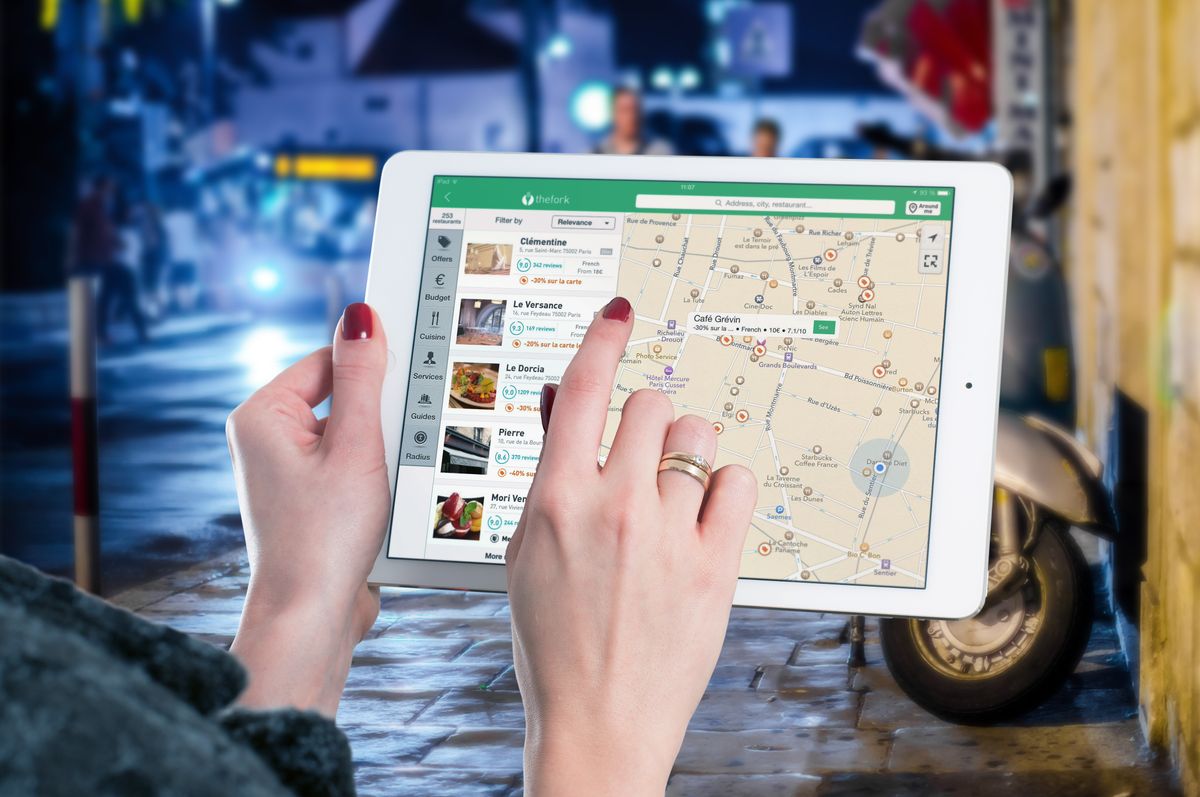
What Your Google Business Profile Description Should Actually Say
A dermatology office we work with had a great website, solid reviews, and a Google listing with the description field completely blank. The office manager figured nobody read it. In truth it sits at the exact moment a stranger decides to call you or the office down the street. Most practices either leave it empty or cram it with keywords like best dentist near me, which does nothing, because Google has said the description is not a ranking factor. It has a different job: getting chosen. Nearly half of all Google searches have local intent, and complete profiles are 2.7 times more likely to be seen as reputable per Google. Inside: the 750 character rules Google enforces, the questions a nervous patient is really asking, and full copy and paste examples for a dental office, a med spa and a physical therapy clinic.
Read the article →
Patients Are Getting Their Answers Without Clicking Your Website
A dermatology office called us in a panic because their website traffic was down for the quarter. So we pulled the real numbers: new patient calls were up, booked visits were up, and the only thing that dropped was people landing on the homepage. Patients were finding them, deciding, and calling, all without ever opening the site. That is zero click search, and if you measure your marketing by website visits alone, you are watching the wrong scoreboard. Nearly 60 percent of US Google searches now end with no click at all, per Semrush. But here is the nuance that matters for a doctor: as of late 2025, Google was mostly not putting AI Overviews on doctor near me searches, so those still go to the map pack, where a strong Google Business Profile wins the patient on the spot. Inside: the split between health questions (answered by AI) and provider searches (still the map pack), why your Google profile is doing your homepage's old job, why the website still matters just differently, and the exact moves to get picked whether or not anyone clicks.
Read the article →
How Far Will Patients Travel to See a Doctor?
A dermatologist with 20 years and a wall of five star reviews wanted to run ads across three counties. We mapped her actual patients first: almost 9 in 10 lived within 15 minutes of the office. She was about to spend real money reaching families 40 minutes away who would never make that drive for a skin check. That is the trap with patient travel distance. Owners imagine their reach is bigger than it is, while patients draw a small circle around home and pick from whoever is inside it. Inside: the real data (median primary care trip near 13 minutes, 62 percent of patients name a convenient location as a top reason they chose their doctor), the three things that stretch or shrink that circle, why your ads should target a radius and not a whole city, how winning the Google map pack beats a flashy campaign, the telehealth angle for patients who live too far, and our honest take that a small circle you fully own beats a huge one you barely touch.
Read the article →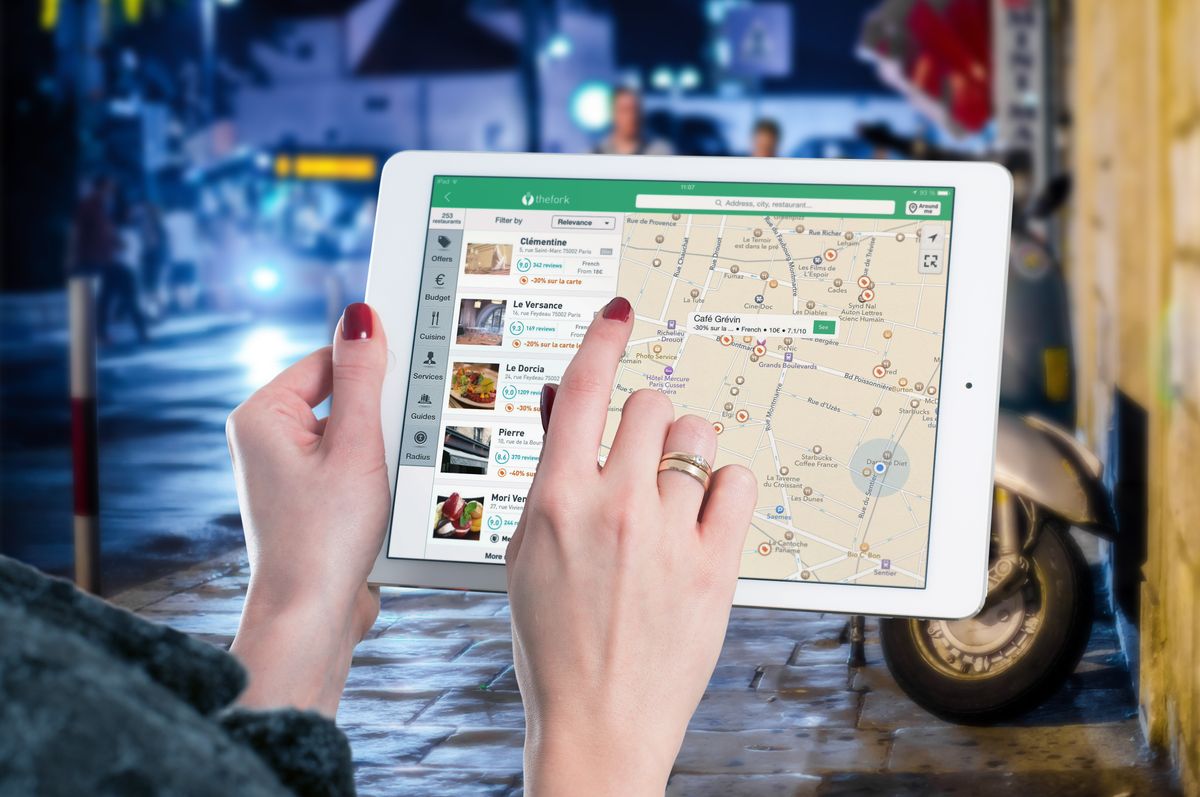
Should Each Doctor Have Their Own Google Business Profile?
A four provider clinic called us frustrated: their newest doctor complained patients could not find her by name, the office manager tried to set up a Google listing for every provider over a weekend, and then a scary policy warning landed in the inbox. It is one of the most misunderstood questions in local search, and the honest answer is not a simple yes or no. Google really does allow a separate profile for each public facing provider, on top of the clinic profile, because doctors qualify as what Google calls practitioners. Done right, it means a patient searching "Dr. Alvarez" lands on Dr. Alvarez, with her photo, her reviews and a way to book, instead of bouncing off a generic clinic name. Done wrong, it is one of the fastest routes to a suspended account. Inside: exactly what Google's guidelines allow, the rules that keep you safe (real providers only, real names with no keyword stuffing, zero duplicates), why solo practices should never do this, when provider profiles genuinely bring in more patients, and a calm step by step setup. Our honest take: the goal is never the most listings, it is the right listings, each one real and maintained, because a thin half finished profile makes patients trust you less and cracks your whole account open to Google.
Read the article →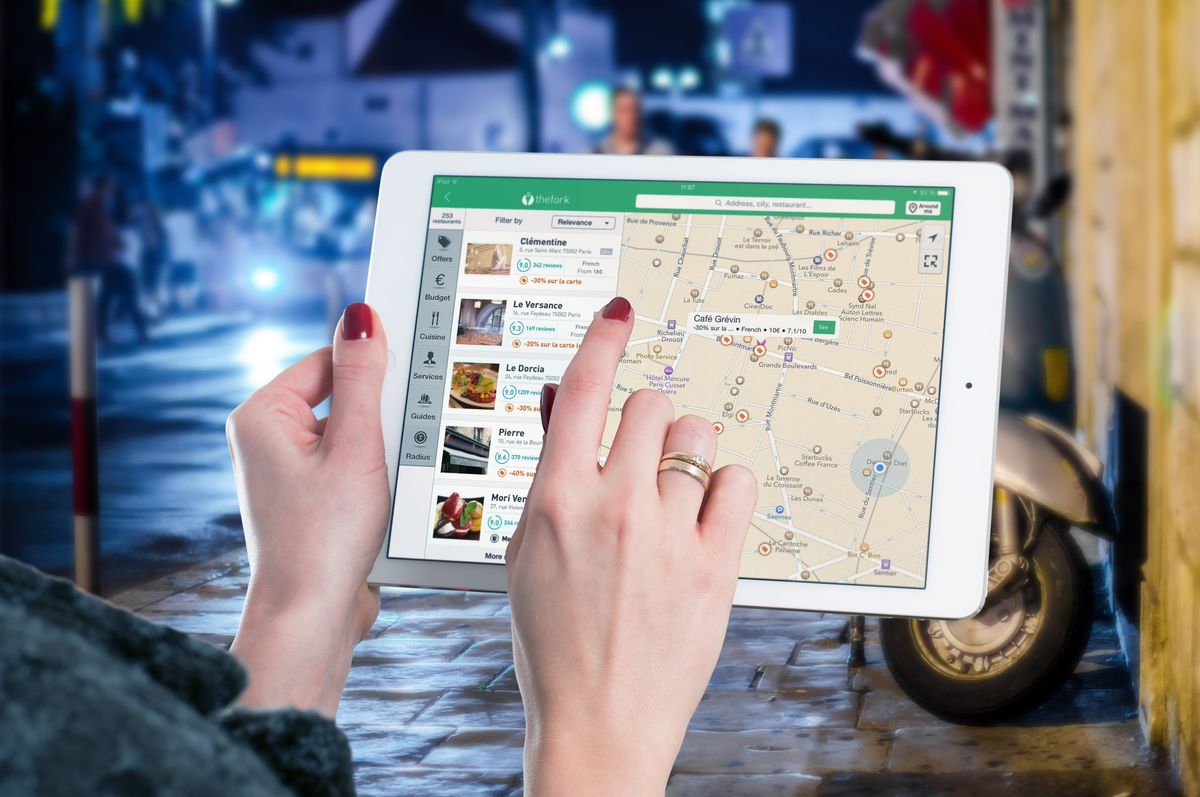
Does Your Google Business Profile Category Actually Matter?
It is one dropdown on a page most owners set up once and never look at again, yet that single choice quietly decides which searches you appear for and which ones you vanish from. A med spa owner called us frustrated: great location, glowing reviews, a beautiful space, and still barely showing up for the treatments she was known for, while a newer competitor with fewer reviews sat at the top. We found the culprit in thirty seconds. Her primary category was too broad. Inside: why your primary category is one of the strongest local ranking factors there is, consistently landing among the top three in the annual surveys of SEO pros alongside proximity and reviews, because it is the label Google reads first to decide if you even belong in a search. The difference between the primary category, which carries the most weight and should be as specific as possible, Dermatologist not Medical Clinic, and the up to nine secondary categories, which help you show up for real extra services but hurt you when stuffed with irrelevant ones. Why the wrong category is so easy to miss, nothing looks broken, the phone just rings less. A five minute self check you can run right now against a competitor who outranks you. And the honest part: the category is the highest return, lowest cost move in local search, but it only makes the phone ring when it sits inside a real system with a fast website, fresh reviews, and every call actually answered.
Read the article →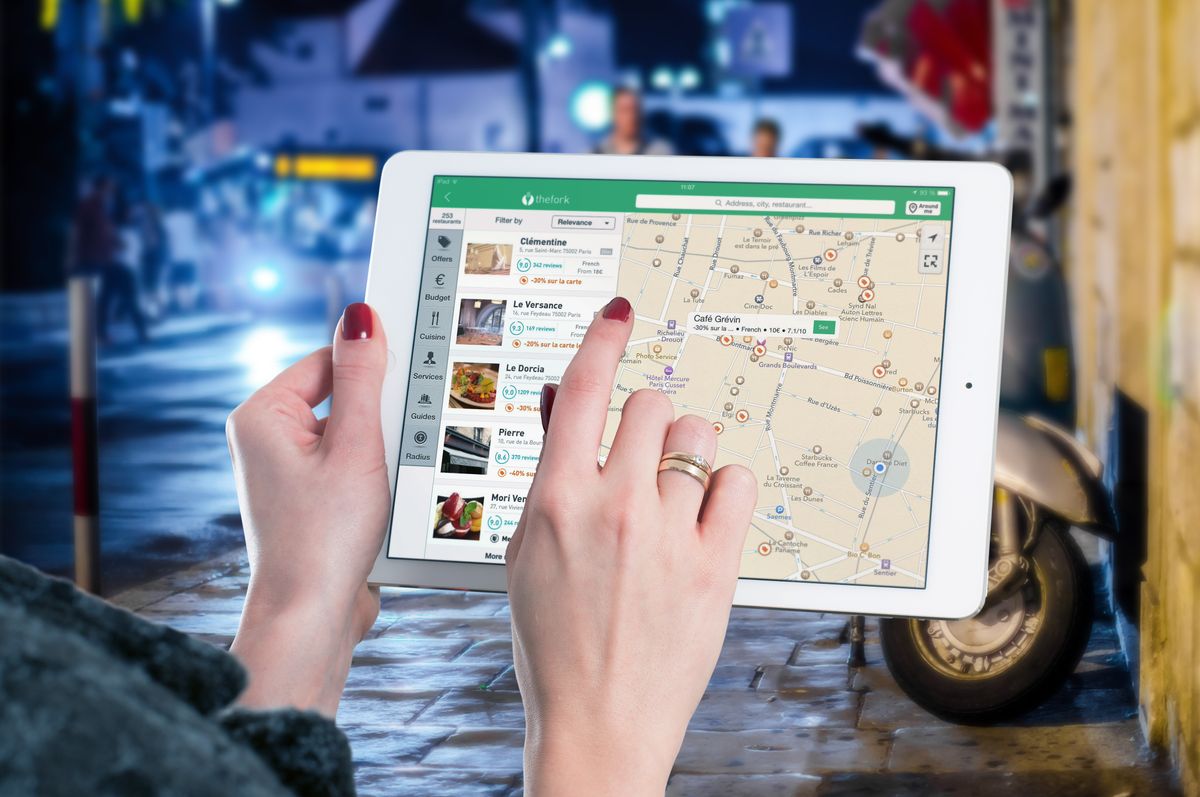
Does Your Practice Info Have to Match Everywhere Online?
A dermatology office moved one floor up, from suite 200 to suite 210. Small change, nobody thought twice. Six months later new patients kept calling from the parking lot, annoyed, because the lobby directory still pointed them one floor down. When we pulled their listings it was worse than the lobby sign: Google said 210, Yelp said 200, their insurance directory said 200, and an old health site still showed a phone number they had dropped two years earlier. Every one of those was a patient sent in a slightly wrong direction, and the ones who gave up never called to complain. They just booked the next practice on the map. This is one of the least glamorous problems in practice marketing and one of the most common questions we get once owners realize it exists: does my information really have to match everywhere, or is close enough good enough? It matters for two very different reasons. One is human: a patient who is not loyal to you yet, deciding in ten minutes between three offices, will not email to sort out a wrong address, they tap the next name. BrightLocal has found around 80% of consumers lose trust in a local business when they spot incorrect or inconsistent contact details. The other reason is Google: search engines cross check your name, address and phone number across dozens of sites to decide how much to trust you, and when those details conflict your local map ranking quietly slips. Inside: why one small move scatters wrong data across the web for years, why you are on far more sites than you think, insurance directories especially, and the exact order to fix it, your own website first, then Google, Yelp and Facebook, then the health and insurance directories, then keep watch because listings drift back. Our honest take: nobody brags about cleaning up citations, it will not go viral, it is a spreadsheet and an afternoon. Which is exactly why so few of your competitors ever finish it, and why doing it well removes a drag holding back everything else you spend on.
Read the article →Do Google Business Profile Posts Actually Help Your Medical Practice?
A dermatology office called us frustrated. They had posted on their Google listing three times a week for two months, skin tips and pretty stock photos, and still were not ranking above the practice across town. The honest answer surprised them: those posts were never going to move their ranking much in the first place. But they were missing the one thing posts are genuinely good at. Here is the confusion behind a question we hear constantly, do Google Business Profile posts actually help or are they busywork. The short version: they help, just not the way most people assume. The myth first, because it is where the wasted effort goes. Google ranks local results on relevance, distance and prominence, and posts are not on that list, so grinding out three a week to leapfrog a competitor on the map is polishing the wrong thing. What moves ranking is reviews, categories, a complete profile and a fast website. Now the truth: posts are a conversion tool, not a ranking tool. They fill the last inches of the patient journey with useful, current information at the exact second someone is deciding between you and two similar offices. A fresh post that says accepting new patients, we take most insurance, book in sixty seconds answers the question in their head and hands them a button, while the office next door shows nothing. One catch shapes everything: a standard post fades from view after about seven days, which is exactly why once a week is the sweet spot. Our honest take: posts are worth doing but oversold, so get the order right, a complete profile, fresh reviews and a fast website first, then use posts as a weekly answer to the deciding patient. In that order they genuinely help. In the wrong order they are busywork with a nice font.
Read the article →
How to Rank Higher on Google Maps for Your Medical Practice
A pediatrician called us convinced her marketing was broken. Great website, real ad spend, and barely a trickle of new patients. So we ran the search her patients actually run, pediatrician plus her city, on a phone, and she was nowhere on the map at the top. Three other offices sat there collecting the calls. She was not losing patients because her care was worse. She was losing them because she was invisible in the one spot that decides most local searches: the Google Maps 3 pack. Businesses in that little map get about 126 percent more traffic and 93 percent more calls, taps and clicks than everyone ranked below it, and most people never scroll past those three listings, which means your beautiful website does not even enter the picture if you are not on the map first. Inside: what the 3 pack really is and why it beats your homepage; the three factors Google states publicly, relevance, distance and prominence, and why you should stop worrying about the one you cannot control; the moves that actually climb it, from filling your Business Profile all the way out to a steady review habit to matching your name and address everywhere; what does not work and what can get your listing banned; and the trap of winning the ranking then losing the patient because nobody answers the phone. Our honest take: for a local practice, the map is the highest ROI marketing most owners ignore, and it compounds, because every fresh review lifts your rank, which puts you in front of more people who leave more reviews.
Read the article →
Why Patients Can't Find You in Their Insurance Directory
A family practice called us with a thinning schedule and no idea why. Great reviews, sharp website, nothing obvious wrong. So we did the thing almost nobody does: we opened their insurance plan's "find a doctor" tool, searched their own zip code, and scrolled. They were not there. Their listed address was a suite they had left two years earlier, and the system had them marked as not accepting new patients. They were open the whole time. To anyone searching the way most insured people search, they did not exist. Here is the uncomfortable part: nearly half of patients pick a doctor straight from their insurance directory, and most of those listings are wrong. Federal and Senate reviews keep finding the same thing, more than half of provider entries have at least one error, and a 2023 Senate secret shopper study found over 80 percent of mental health listings were inaccurate or unavailable. The industry even has a name for it, ghost networks. Inside: where insured patients actually start, why a stale listing makes an open practice invisible, the one hour cleanup that fixes it, and why an accurate listing is a real edge when most of your neighbors never bother to check.
Read the article →Why Is Your Google Business Profile Suspended (and How to Get It Back)
A dermatology clinic called us on a Tuesday, close to panic. The front desk had noticed the phone going quiet, and when they searched their own name on Google, nothing came up. No map pin, no listing, no reviews. Six years of work and more than three hundred reviews, suspended overnight. No email, no warning, no reason given. If that has happened to you, the first thing to know is that you are not alone and it is usually fixable. Google suspends business profiles far more than most owners realize, almost always silently, and for a local practice that little box on Google Maps is often where most new patients find you. Google's own data says 76 percent of people who search for something nearby visit a business within a day, so every day your profile is down is patients lost. Inside: the real triggers behind a suspension (keywords stuffed in your business name is number one), why panic editing or starting a fresh profile is the worst move, whether your reviews are gone (they usually are not), and the exact order to fix the violation and file a reinstatement that actually gets approved, video verification and all. Plus our honest take on why gaming your profile is never worth the risk.
Read the article →
What Photos Should a Medical Practice Put on Google?
A dermatologist called us, confused. Strong reviews, fine website, and she was still losing patients to a newer practice down the street with fewer reviews and a worse location. We pulled up both Google listings side by side. Hers had three photos: a faded logo, one dark waiting room, and a stock image of a stethoscope. The competitor had two dozen bright photos of their building, their team, the front desk, the rooms. You did not even need to read anything. One looked open and alive. The other looked like it might be closed. This is the question owners keep asking us, and it quietly decides who gets the call: what photos should I actually put on my Google Business Profile? Inside: why your photos land before the brain even reads your star rating; Google's own data that listings with photos get about 42 percent more requests for directions and 35 percent more clicks; the exact set every practice should upload (your door, parking, waiting room, a treatment room, the team) with no photographer needed; how many to add and how often; the common ones that quietly hurt you; and the single kind of photo that can land you in real HIPAA trouble. Your listing is your front door now. Here is how to make it look like it.
Read the article →Who Is Answering the Questions on Your Google Business Profile?
There is a section on your Google listing almost no practice owner ever opens. The public can post questions there, and here is the part that catches people off guard: the public can answer them too. A stranger. A confused past patient. Even the office across town. A dermatology practice called us rattled after finding a wrong answer about insurance that a stranger had posted eight months earlier, quietly sending patients elsewhere the whole time. Inside: how the Questions and Answers section really works, why Google barely notifies you when someone posts, and why a wrong answer hurts a medical practice far more than a pizza shop. The good news, this section is a gift if you use it. Google lets you post and answer your own questions, so your ten most common front desk questions become a 24 hour FAQ that books patients while the office is closed, and that AI search loves to quote. Plus how to flag a bad answer, a HIPAA safe way to reply, and a five minute routine to take the whole thing back.
Read the article →
Are Local Event Sponsorships Worth It for a Medical Practice?
A family dentist we work with wrote a $1,200 check to the youth soccer league every spring for four years. Logo on the team banner, name on the back of the jerseys, parents waving at games. It felt good. Then his office manager asked one question: how many patients have we ever gotten from this? Nobody knew. They had no way to even tell. That is the whole problem with local sponsorships in one story. They are easy to say yes to, they feel like the right thing for a community minded practice, and they are almost impossible to judge, so owners either keep writing checks out of guilt or swear them off entirely. Both are mistakes. Inside: the difference between brand building and demand capture and why judging a banner by next week's bookings is like judging a billboard by how many people pull over; the five signs a sponsorship will actually pay off and the four times you should keep the check in your pocket; the follow up mistake almost every practice makes; the simple ways to finally track an event with a landing page, QR code or a how did you hear about us question; why your website, reviews and answered phone decide whether any of the goodwill converts; and how sponsorships and ads do opposite jobs that work best together.
Read the article →
Should Your Medical Practice Claim Its Apple Maps Listing?
A mom at a soccer field lifts her iPhone and says "Hey Siri, urgent care near me." Three results pop up, she taps the first, and drives over. That whole moment ran on Apple Maps, not Google, and most practice owners have no idea. More than half the phones in the US are iPhones, and every one of them defaults to Apple Maps for search and Siri. Yet around 58 percent of US businesses have never claimed their Apple Business Connect listing, and only 16 percent actively manage it. So you have a massive, default audience and almost no competition fighting for the top spot. Claiming your listing is free, takes about fifteen minutes, and lets you control your name, address, hours, photos, and a button that books patients in two taps. Leave it unclaimed and Apple fills in what it can scrape, often an old phone number or wrong suite, with you having no say. The bonus: iPhone users skew toward higher income and discretionary spend, exactly the patient a med spa, cosmetic dentist, or cash based clinic wants. Inside: why Apple Maps is separate from Google, what your place card controls, the step by step to claim it this week, and the one consistency mistake that slowly drops your local ranking.
Read the article →
How to Market a Medical Practice With Multiple Locations
You opened a second office, maybe a third, and only one of them ever seems busy. So you assume the new towns just do not have the demand. A dermatology group told us exactly that, until we ran the searches ourselves and found their new office did not appear on the map at all. A solo competitor owned the whole top spot. The demand was there. Their office was invisible to it. Here is the trap almost every multi location practice falls into: one website, one generic contact page, one Google listing tied to headquarters, one phone number for everything. To Google, that is one business in one place, so the other offices basically do not exist online and cannot show up where it counts, in the towns where their own patients live. Local search is how patients pick a practice now, and Google says around 46 percent of all searches have local intent. If several of your offices are not built to be found locally, you are paying rent and payroll on locations the internet treats as a rumor. Inside: why the fix is one brand made of distinct local businesses, the five pieces that make every office visible, from a separate Google profile to reviews collected per location, where social and radius targeted ads fit, and the order to do it all so a new office can grow as fast as your first.
Read the article →
How to Optimize Your Google Business Profile for a Medical Practice
By the time a patient clicks through to your website, they have usually already decided on Google. They search, see a little box of three practices on a map with stars, photos and hours, and they tap one right there, often without ever loading a single site. That free listing, your Google Business Profile, is the most valuable marketing most local practices own and the one they touch the least. We walk through the whole thing in plain steps: claim and verify it, get your name, address and phone matching everywhere, choose the right categories so you surface for the exact treatments patients search (most practices use one category and stay invisible for the rest), fill it with real photos that calm nervous patients, and feed it fresh reviews every month, since recency and steady volume beat a perfect star average that has not moved in a year. Nearly half of all Google searches are local, and a huge share of those people contact a business the same day. That is your next patient deciding in real time. Here is how to be the one they pick, not the pretty website on page two nobody sees.
Read the article →
Should Your Medical Practice Be on Nextdoor?
Right now, a few streets over, someone is typing "can anyone recommend a good dentist near here?" into Nextdoor. Five neighbors answer within the hour. You never see the thread, and you are not in it. Nextdoor reaches roughly one in three US households, and it is built around the one thing that has always driven the best practices: a neighbor asking another neighbor who they trust. We break down why it is different from Facebook or Instagram (every member is tied to a verified address, and a huge share of activity is people actively asking for a doctor), the honest limits (it does not help your Google ranking and the reach is hyperlocal), and the exact five step playbook: claim the free page, be a helpful neighbor instead of a billboard, reply with HIPAA front of mind, and make booking dead simple so a warm recommendation never cools into a missed call.
Read the article →
A Competitor Just Opened Near Your Practice. Now What?
You drive to work and there it is: a new sign, a grand opening banner, another practice in your specialty three blocks away. The gut reaction is to panic and cut prices. Don't. The patients comparing you two are not standing on the sidewalk flipping a coin, they go home and search, and whoever shows up first and looks the most trusted gets the call. That fight happens on Google, and a brand new competitor can only beat you on one of the three things that decide who ranks. One family dental practice watched a flashy group open two minutes away with billboards and a promo, did not touch their prices, fixed their profile and turned on review requests, and was ranking above the new place with calls up inside eight weeks. Here is the full playbook, the one move to avoid, and why a new sign is a wake up call, not a verdict.
Read the article →