Should You Buy a Patient Email List? Here Is the Honest Answer
A vendor offers you thousands of local emails for a few hundred dollars. It feels like a shortcut to new patients. Here is what a bought list really costs a practice, and the cheaper thing that actually fills chairs.
Read the article →
Your Patients Live in Apps Now. Does Your Practice Feel Like 2011?
Hims and Hers just launched an AI first app that answers and books in seconds. That is the new bar your next patient measures you against. Here is how a local practice keeps up without building an app.
Read the article →
Should You Text Patients Back When You Miss Their Call?
Most people who reach your voicemail never call again, and many book the next practice that answers. A simple text back in the first minute turns lost calls into booked patients.
Read the article →
You Dropped an Insurance Plan. How Do You Keep the Patients?
Whether you went out of network or an insurer dropped you, most patients you lose leave because of silence and confusion, not price. Here is how to keep the ones who value you.
Read the article →
Do Patients Really Want to See the Same Doctor Every Visit?
Booking tools default to whoever is free first. But research ties seeing the same doctor to lower mortality and stronger loyalty. It may be your biggest edge over the big groups.
Read the article →
Should Your Medical Practice Record Its Phone Calls?
The front desk phone is where most new patients are won or lost, yet most owners never hear a single call. Here is the honest case for recording, the HIPAA and consent rules, and how to do it right.
Read the article →
Should You Require a Deposit for New Patient Appointments?
A deposit or card on file can cut no shows, but a clumsy policy sends good patients to the practice next door. Here is the honest tradeoff, real fee ranges, MGMA data, and how to set it up without turning your front desk into a toll booth.
Read the article →
Does Online Scheduling Reduce No Shows? Here Is What the Data Says
In a 20 month study, patients who booked their own appointments online missed 1.8% of visits. Staff booked patients missed 5.9%. Here is why self booking is one of the cheapest no show fixes most practices are still not using, and how to set it up right.
Read the article →
The Front Desk Phone Script That Books More Patients
You can win the ad and the review and still lose the patient the second the phone rings. 80 percent of appointments are booked by phone, yet 23 percent of calls go unanswered. Here is a word for word script for the greeting, the hold, and the price question.
Read the article →
Is Your Practice Missing Patient Calls at Lunch?
Working patients call on their lunch break, right when your front desk is on theirs. Noon to one is a peak hang up hour, about 1 in 4 calls go unanswered, and most people never leave a message. Here is what that leak really costs and how to close it.
Read the article →
Your Practice Emails Are Going to Spam. Here Is Why.
Nearly 1 in 6 emails never reaches the inbox, and Google's 2024 rules raised the bar. Why patient recall reminders and newsletters land in spam, and the plain fixes that get them delivered again.
Read the article →
Is Your Phone Menu Costing Your Medical Practice Patients?
You pay to make the phone ring, then a long press 1 menu sends new patients in circles and drops the rest into voicemail. Nearly 1 in 3 healthcare calls go unanswered. Here is what that leak costs and how to close it.
Read the article →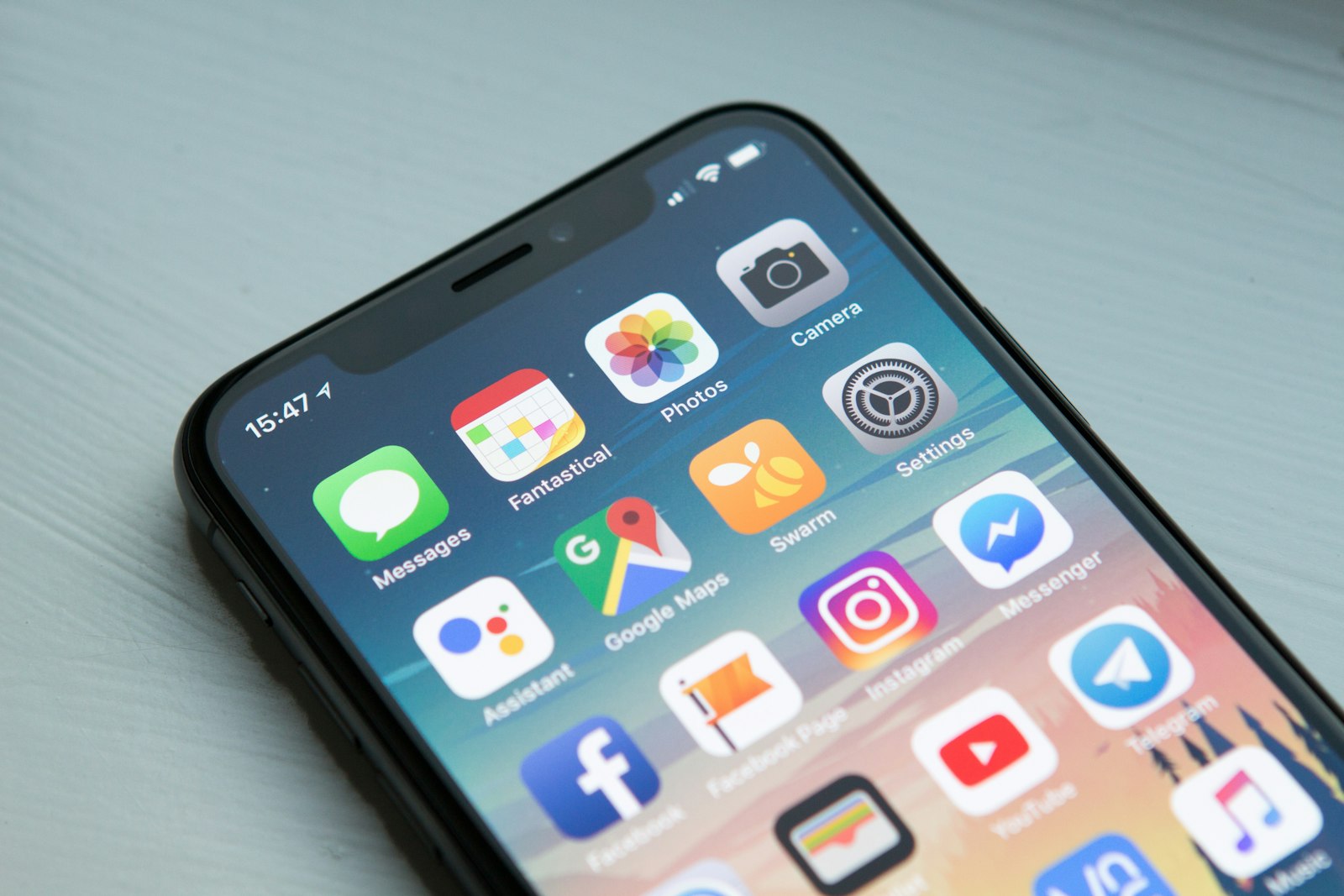
What Should an Appointment Reminder Text Actually Say?
Text reminders can cut no shows by up to 38 percent, but only if the wording is right. Here is what a reminder should say, word for word, with a template you can steal.
Read the article →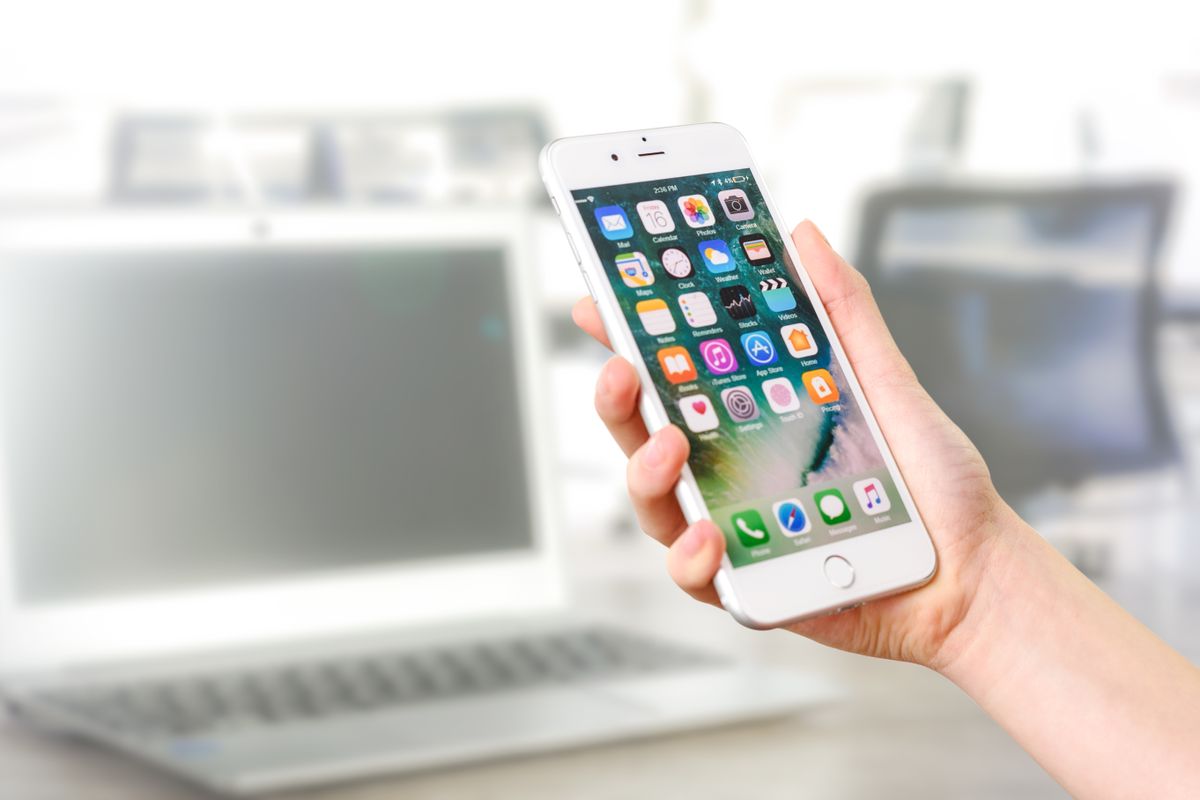
Why Aren't My Patient Text Reminders Getting Delivered?
Your software says sent, the patient never got it, and no-shows are creeping up. A 2025 carrier rule quietly blocks unregistered practice texts. Here is the fix.
Read the article →
What to Send New Patients Before Their First Visit
Booked new patients quietly vanish before they ever show up. The days between the booking and the first visit are where you lose them. Here is exactly what to send, and when.
Read the article →
How Many Appointment Reminders Should You Send (and When)?
Too few and patients forget. Too many and they mute the whole thread. Here is the reminder schedule the research actually supports, and how it cuts no shows.
Read the article →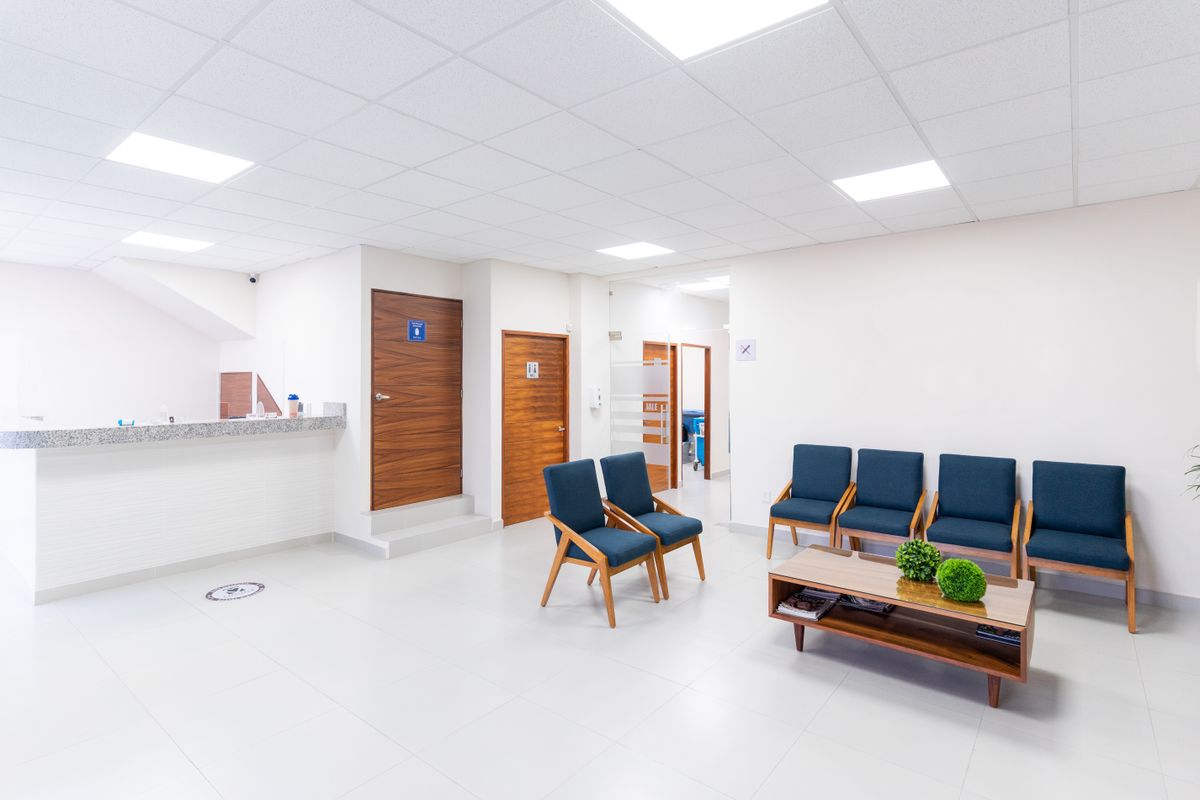
Are Long Wait Times Costing Your Practice Patients?
Nearly 1 in 3 patients has walked out over a long wait, and the offices with the best online ratings are the fastest ones. Here is the real data on wait times and why your waiting room is quietly a marketing problem.
Read the article →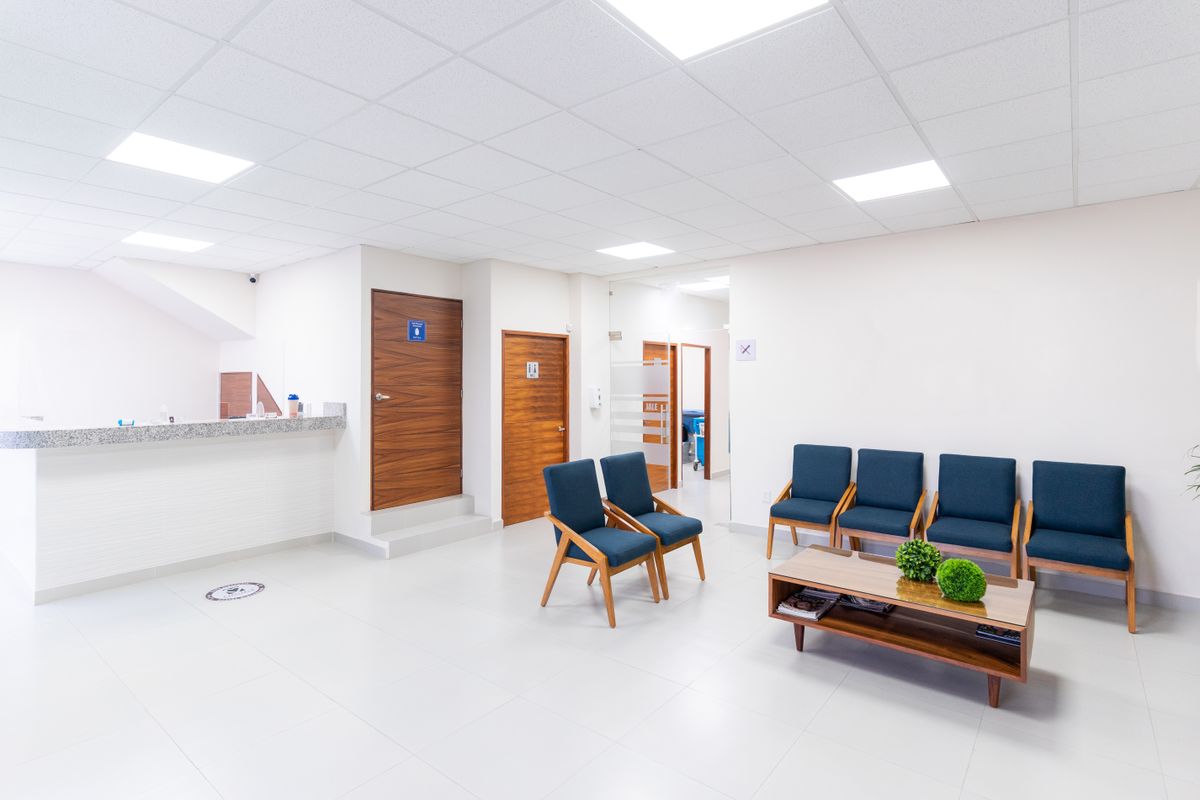
Why Patients Really No Show
Ask a room of providers why patients miss appointments and almost all say the same thing: they forget. New 2026 research says they are wrong, and being wrong about the cause is exactly why the empty chairs keep coming back. Here is what actually drives no-shows, and what fixes them.
Read the article →
Should You Follow Up With Patients After Their Visit?
A patient walks out happy, and then you never speak again until they need something. That gap is where most practices lose people without noticing. Studies show clinics lose roughly two thirds of their first time patients, largely to a lack of follow up. Here is why the silence after a visit is so expensive, exactly what to send and when, how to stay on the right side of HIPAA, and why following up is the cheapest growth your practice has sitting untouched in its own files.
Read the article →
How to Bring Patients Back for Their Annual Visit
Most patients who slip away never actually left. They liked you fine. They just forgot they were due, and nobody reminded them. That is the most overlooked leak in a practice, and almost nobody measures it. A patient recall system fixes it, and it is the cheapest growth you have: keeping a patient you already earned can cost up to 5 times less than winning a stranger. Here is what a recall system is, why it beats chasing new patients, how it differs from reactivating long gone names, and the five step way to build one that runs itself, from knowing who is due every week to reminders by text, email, and an AI call that books them back in.
Read the article →
Should Your Medical Practice Use a Patient Waitlist?
Two things are usually true at once: new patients are waiting weeks to get in, and chairs are sitting empty this afternoon because someone cancelled at the last minute. New patient waits in major metros now average 31 days (AMN Healthcare, 2025), while a cancelled 2pm can go cold by 2:05pm. A patient waitlist is the bridge. Inside: what a waitlist really is, when it is worth it and when it is not, why speed is the whole game (good programs fill 70%+ of openings, most under 30 minutes), the simple rules that keep it from feeling like spam, why most waitlists die on a sticky note, and how to run one automatically so a cancelled slot becomes a patient seen sooner instead of lost money. Real numbers, honest take.
Read the article →
Is a Medical Practice Newsletter Worth It?
A dermatology office had 4,000 patient emails sitting unused in their system and asked us the obvious question: is a newsletter even worth setting up, or is that old school? The honest answer surprised them. Email still returns about $36 for every $1 spent, healthcare open rates average near 37 percent, and unlike your Instagram followers, your email list is the one audience you actually own. No algorithm can take it away. The catch: most practice newsletters flop because they are written for the practice ("we got a new machine") instead of for the patient. Inside: the real numbers, why owning your list beats renting reach, the 90/10 rule for a newsletter people open on purpose, how often to send and what to put in it, a plain word on HIPAA and CAN SPAM, and where the emails actually come from (hint: you already have most of them). Cited data, honest opinion.
Read the article →
How to Get Nervous Patients to Actually Book
Some of the people who need you most never make the appointment, and not because of price, hours, or your reviews. They are scared. Fear is one of the biggest hidden leaks in a practice's schedule, and almost nobody markets to it. The data is bigger than owners expect: a 2023 PatientPoint survey found 54 percent of adults feel anxious before a doctor visit and 30 percent skipped one in the last year because of it, and a 2024 study in the Journal of the American Dental Association put dental fear at 72.6 percent of US adults, with about one in five avoiding the dentist entirely. Inside: why your normal marketing bounces right off the anxious patient, the quiet questions every scared person is asking that your website never answers, the five moves that turn a nervous browser into a booked patient, why fear does not stop at booking and how it drives no shows, and why so many of these patients reach out at 11pm when your office is dark. Cited data, honest opinion, zero pushy tricks.
Read the article →
What to Say When a Patient Asks How Much It Costs
A med spa owner called us convinced her ads were broken. They were not. We listened to a week of her calls and heard the real leak: a caller asks how much a treatment costs, the front desk kindly answers "that one is 650," the caller says "let me think about it," and hangs up. Every day, all week. The price was never the problem. The answer was. A caller asking your price is not saying no, they are asking to feel safe saying yes, and most of them are not even hardcore shoppers: surveys show most Americans have never researched healthcare prices before booking. Yet about 67 percent will call a competitor the moment you fumble the phone. Inside: why the price question is a buying signal, the three ways front desks blow it, the simple four step frame that books the caller instead, what to say when you cannot quote an exact number, and who answers when your desk is closed. Cited sources, honest opinion.
Read the article →